Andy Burnham delivers inaugural speech as prime minister
Andy Burnham delivered his inaugural speech as prime minister today, focusing on the need for his generation of politicians to elevate their efforts and address ongoing challenges. “My generation of politicians needs to raise our game, rise to the challenge… to make our politics work better. We have not been good enough,” he stated, reports BritPanorama.
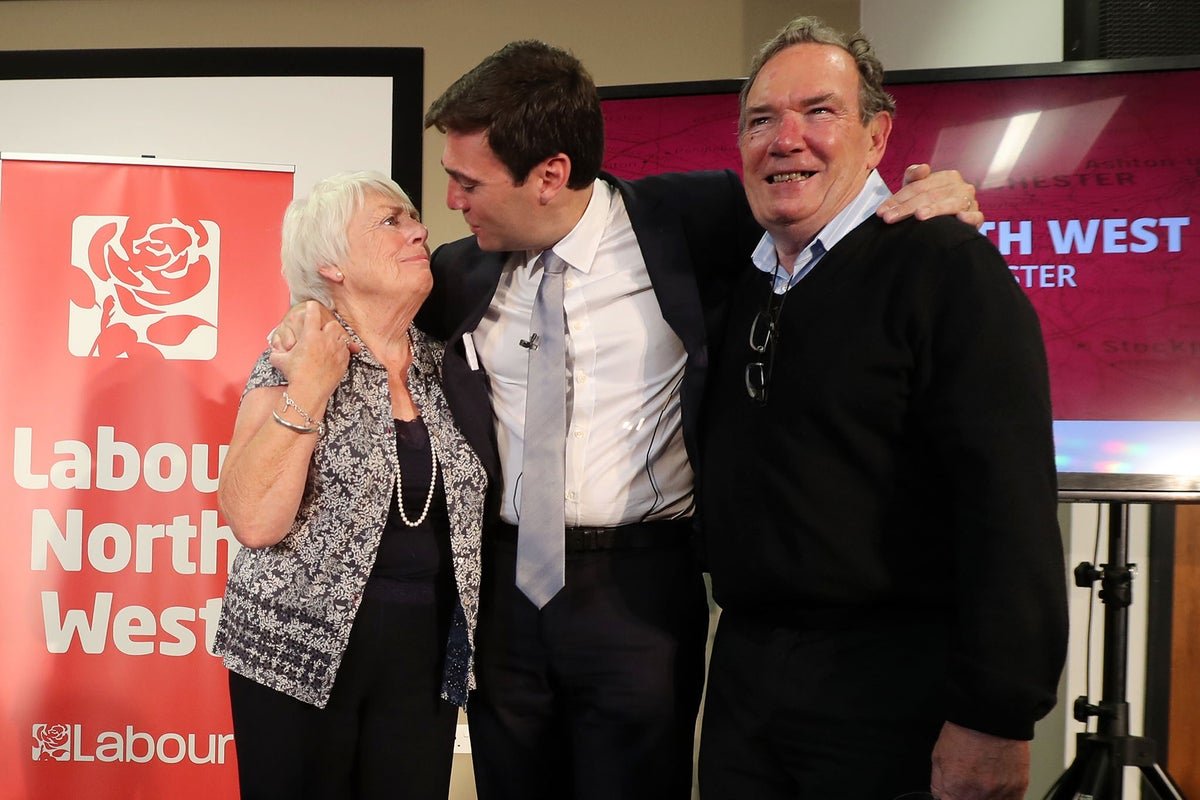
Burnham, who has emerged as a key figure in UK politics, took the stage against a backdrop of personal poignancy, as his father, Roy, is affected by dementia and unable to comprehend his son’s new role. The new prime minister reflected on the influence of his father in shaping his political journey, expressing a sense of deep sadness that Roy is unaware of this momentous achievement.
In a speech tinge with personal significance, Burnham remarked, “We were with him [Roy] last Sunday. We were at his care home… It’s a sadness because he would be [proud]… the way I look at it, it’s his achievement as well.” This narrative resonates with many Britons, as it is estimated that over a million individuals in the UK grapple with dementia, highlighting the growing need for reform in the social care system.
During his address, Burnham emphasized the importance of addressing the shortcomings of the social care system, committing to a proactive approach in tackling these longstanding issues. “Unlike other administrations, my government won’t kick this can down the road, but will grasp the nettle,” he affirmed. This declaration aligns with his broader aims to support families facing financial struggles and the pressures of care responsibilities.
Burnham’s understanding of contemporary pressures, from rising living costs to the challenges of balancing caregiving duties, stems from his personal experiences as he recently celebrated his daughter’s graduation. His policies are expected to reflect these commitments, aiming to provide increased mental health support for young people and job creation initiatives, crucial for the current generation.
Research indicates that many mid-lifers have encountered significant personal hardships, including relationship breakdowns and caregiving challenges. This acknowledgment of shared struggle reinforces Burnham’s connection to voters who feel the weight of these realities.
Additionally, Burnham’s relationship with his wife, Marie France van Heel, who maintains her own demanding career, underscores the evolving dynamics in family structures today. Both partners facing external pressures resonate with the current realities of many dual-income households trying to navigate complex personal lives.
His mother, Eileen, has played an equally significant role in shaping his values, instilling a strong sense of faith and community service. As she prays for him, the very challenges that have shaped Burnham’s personal life are expected to influence his agenda as prime minister.
Now entering a political landscape defined by urgency, Burnham’s approach appears rooted in a commitment to engage directly with the public and respond to their needs. His ambition to improve the nation reflects his experiences growing up during a period of economic uncertainty and social change prompted by prior administrations.
In light of Labour’s recent electoral successes, Burnham recognizes the mandate he has to effect meaningful change. “Where I’ve gone wrong sometimes in my political career is when I’ve not been true to my instincts,” Burnham noted, expressing determination to remain connected to the electorate.
The cultural backdrop of Generation X is intertwined with Burnham’s emerging leadership style, as he indicates a readiness to tackle pressing issues. This connection to a generation that experienced significant challenges forms a foundation of empathy and understanding that may influence his effectiveness as prime minister.
Looking ahead, Andy Burnham’s election presents a moment laden with potential for transformative change. As he seeks to restore hope amidst the challenges that lie ahead, there exists a cautious optimism within British politics about the future direction under his leadership.