Sequels to classic novels often disappoint, primarily due to their perceived lack of necessity, reports BritPanorama.
Despite this, there are notable exceptions. Margaret Atwood’s The Testaments secured the Booker Prize, while Elizabeth Strout’s Lucy Barton novels illustrate character and world evolution that diverges from earlier narratives.
However, in many instances, sequels stem from a writer’s desire to continue a story rather than a genuine reader interest, frequently indicating an author in a creative rut or a publisher seeking commercial gain from established characters. Here are ten of the most disappointing sequels.
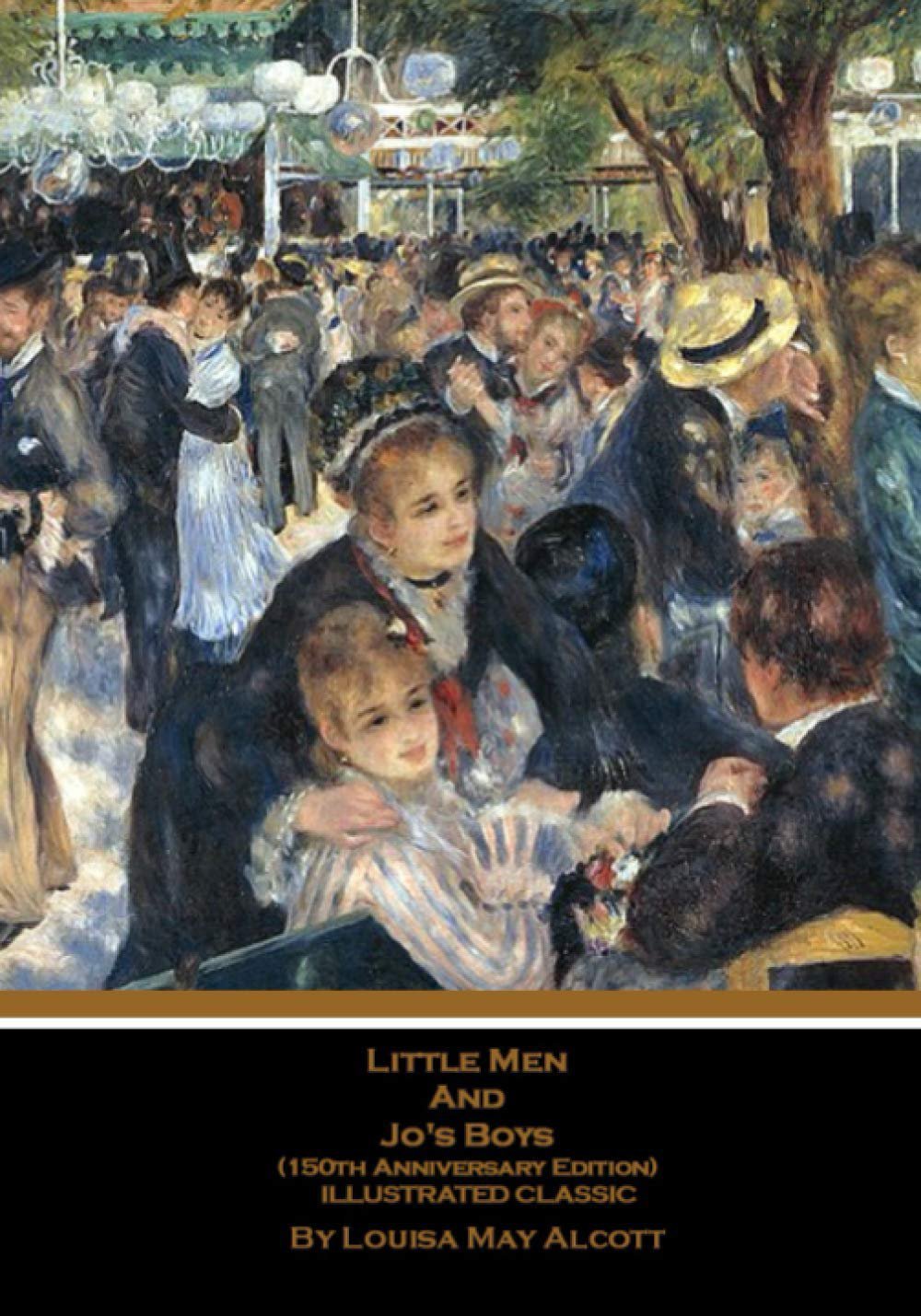
Little men by Louisa May Alcott
Even enthusiasts of Little Women, Louisa May Alcott’s beloved tale of the March sisters in 19th-century New England, may be unaware of its sequels for good reason. Both Little Men and the concluding volume, Jo’s Boys, fail to replicate the charm of the original.
Little Men depicts Jo March—now Mrs. Bhaer—operating Plumfield, a school for orphaned children alongside her husband. The lessons imparted are about compassion and charity. However, its quick composition shows through in a sentimentality that undercuts its impact.
Charlie and the great glass elevator by Roald Dahl
In Charlie and the Chocolate Factory, Roald Dahl created unforgettable characters, with Willy Wonka as a standout. The sequel, however, lacks clarity and becomes tedious, disappointing fans who hoped for a continuation of the original’s magic.
In this sequel, Charlie Bucket and his family board a glass elevator meant to take them to the factory that Charlie will inherit. When Wonka mistakenly presses the wrong button, the elevator launches into space, leading to a muddled and forgettable adventure.
Go set a watchman by Harper Lee
Harper Lee’s novel To Kill a Mockingbird, published in 1960, has continually inspired readers with its themes of injustice and racism. Yet, 55 years later, a sequel titled Go Set a Watchman surfaced, which many viewed as an early draft rather than a standalone work.
This sequel included recognizable passages from the original and sparked rumors regarding Lee’s mental state at the time of publication, which friends dismissed as condescending. The book remains a source of controversy among readers.
Closing time by Joseph Heller
Catch-22 is revered as one of the great American novels, addressing the absurdities of war. Heller found it challenging to produce another work of similar quality, culminating in Closing Time in 1994, which follows protagonist Yossarian confronting death due to cancer. The sequel lacks the humor and intensity that characterized its predecessor.
Exit ghost by Philip Roth
The Ghost Writer, published in 1979, is widely regarded as one of Philip Roth’s finest works. It introduces Nathan Zuckerman, who meets a young woman he imagines may be Anne Frank. Subsequent Zuckerman novels, while uneven in quality, culminate in Exit Ghost, which fails to equate to the brilliance of the original.
The candy house by Jennifer Egan
Jennifer Egan won acclaim with her Pulitzer Prize-winning novel A Visit from the Goon Squad. However, expectations for the sequel, The Candy House, released in 2022, were met with disappointment as it lacked the cohesion and brilliance of its predecessor, appearing fragmented in concept.
Long island by Colm Toibin
At the conclusion of Colm Toibin’s novel Brooklyn, protagonist Eilis Lacey chooses to leave her hometown instead of marrying her childhood sweetheart. The open-ended conclusion provoked imagination about her future in New York. Despite this allure, Toibin’s sequel, set in the 1970s, offers little intrigue, sometimes best left for readers to envision.
Men in love by Irvine Welsh
Irvine Welsh first made waves in British literature with Trainspotting in 1993, chronicling the lives of heroin addicts in Edinburgh. Welsh attempted to revive his well-known characters in various sequels, but the latest installment struggles to capture the original’s energy, risking the dilution of its legendary status.