Max Verstappen criticizes Red Bull machinery after crashes
Max Verstappen delivered a scathing assessment of his Red Bull machinery following consecutive high-speed crashes caused by rear wing malfunctions at the Austrian and British Grands Prix, reports BritPanorama.
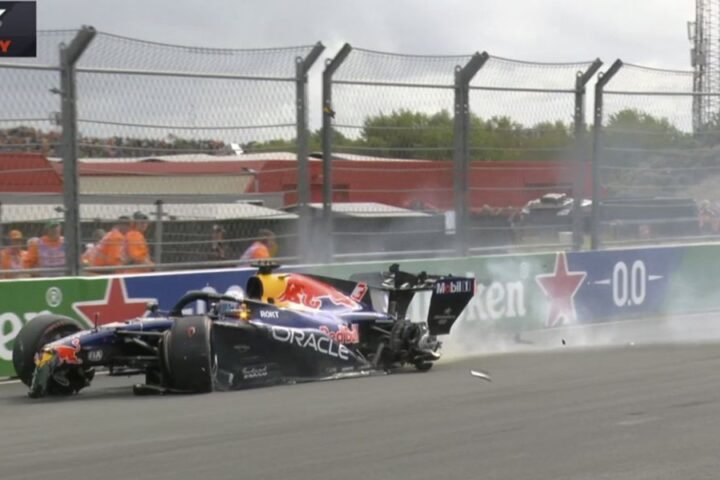
The four-time world champion expressed his frustration after spinning off at Stowe corner during the Silverstone race, an incident paralleling his qualifying accident at the Red Bull Ring just days earlier.
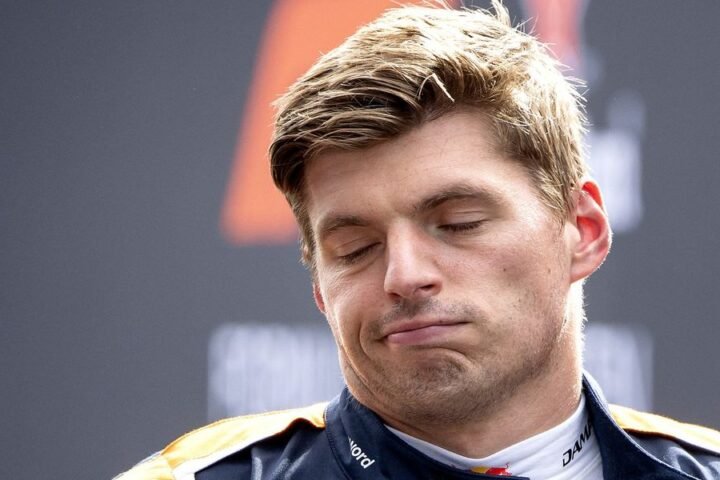
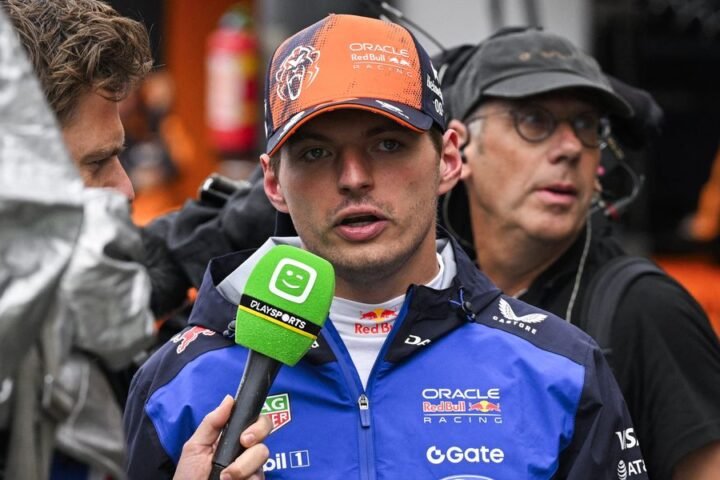
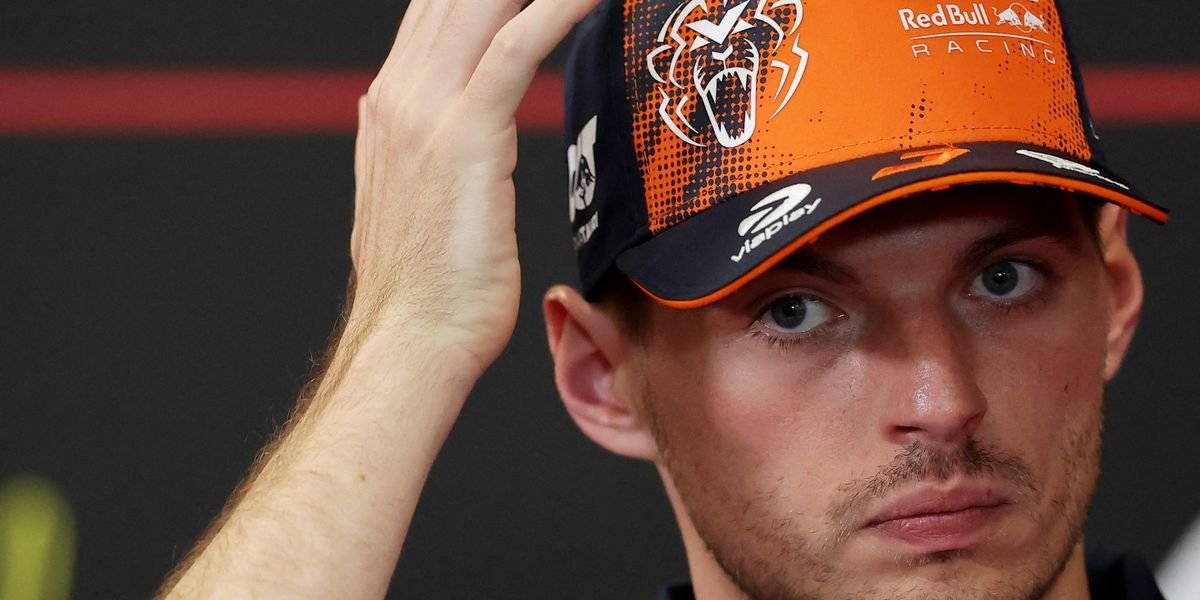
His immediate reaction over team radio was blunt, with expletives directed at the car before he hurled his steering wheel from the cockpit in frustration. Speaking to journalists afterward, Verstappen described the situation as “super dangerous because you can really hurt yourself.” He added, “I was lucky in Austria, I was lucky here, but that’s why you get really fed up with it.”
The underlying issue lies in Red Bull’s interpretation of the so-called Macarena wing, a design concept introduced at the Miami Grand Prix. Unlike Ferrari’s version, which rotates from front to back, Red Bull’s mechanism pivots upward from the rear, creating a noticeably larger opening to reduce drag on straights and boost top speed when the car enters straight mode. However, it has repeatedly failed to seal properly when transitioning back to corner mode, stripping Verstappen of crucial downforce without warning.
Both incidents occurred immediately after straight mode deployment zones, leaving the Dutchman with no indication of impending malfunction. Team principal Laurent Mekies acknowledged Verstappen’s right to be unhappy, calling it “very unpleasant” to be let down twice consecutively at high speed.
Red Bull has now abandoned the problematic wing design for this weekend’s Belgian Grand Prix at Spa-Francorchamps. Both Verstappen and teammate Isack Hadjar will compete without the Macarena component, reflecting the team’s diminished confidence in extracting performance from their troubled package. Former Red Bull adviser Helmut Marko had previously expressed uncertainty about whether the wing would be deployed at the Belgian circuit, noting the paramount importance of driver confidence at a venue with high-speed corners and limited run-off areas.
The cautious approach underscores how far Red Bull has fallen from its previously dominant position in the championship. Despite the ongoing turmoil, Marko believes Verstappen will remain in Formula 1 well past his current contract, which expires at the end of 2028. He asserted that financial considerations will ultimately prove decisive, stating, “The money is in Formula 1. That’s why I assume we’ll still see Max racing in Formula 1 even after his Red Bull contract expires in 2028.”
Regarding exit clauses that could permit an earlier departure, Marko was dismissive, emphasizing that “such provisions exist in every contract, but you can also talk about deadlines.” The wave of departures from Red Bull has prompted questions about whether this exodus is genuinely connected to Verstappen’s situation within the team.
Racing Bulls team principal Alan Permane offered a different perspective on the narrative surrounding high-profile exits, including Adrian Newey, Jonathan Wheatley, and Marko himself, while Verstappen’s race engineer Gianpiero Lambiase is set to join McLaren by 2028. “I know a lot of the headlines are being made that ‘Another Verstappen ally leaves Red Bull’. I’m not quite so sure it’s quite like that,” Permane told media. He suggested the departures reflect a natural pattern when successful teams experience a downturn, as personnel seek fresh challenges.
As the dust settles on recent events, the sport watches with keen interest how this situation unfolds. Will Red Bull regroup, or are they on a path to more discontent? Only time will tell.