One confirmed death in New York’s Legionnaires’ disease outbreak
One person has died in connection with a cluster of Legionnaires’ disease cases in New York City, Health Commissioner Dr. Alister Martin announced. As of Thursday night, 67 cases have been reported, with 12 individuals currently hospitalized and 43 others having been discharged, reports BritPanorama.
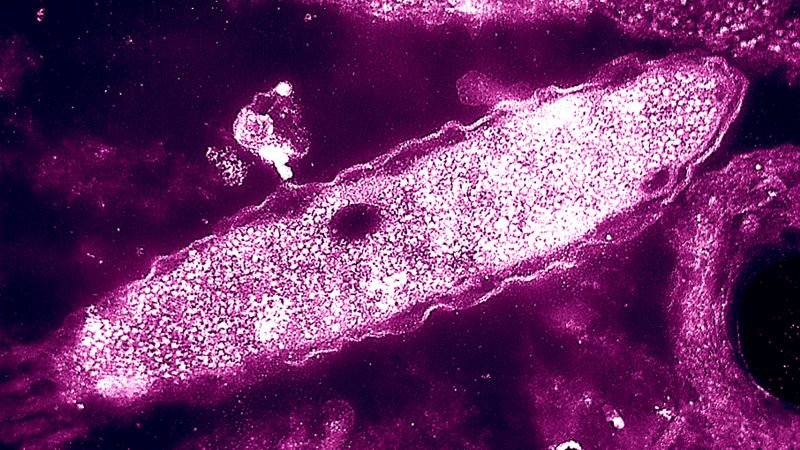
Officials have not disclosed any further details regarding the deceased individual. Investigations point to a connection with bacteria found in cooling towers located on the Upper East Side. Testing revealed the presence of Legionella bacteria in cooling towers of 76 buildings, prompting authorities to mandate their owners to drain, clean, and disinfect the systems.
“All have confirmed that they completed the required remediation,” Martin stated. This current outbreak follows a similar situation last year in Harlem, which saw 92 people hospitalized and resulted in seven fatalities, ultimately leading to new legislation that requires more frequent inspections and harsher penalties for non-compliance.
Public health officials warn that this outbreak is specifically linked to cooling towers and not related to drinking water, showers, or air conditioning systems. In New York, hundreds of cases of Legionnaires’ disease are reported annually, with a marked increase occurring in three ZIP codes: 10128, 10028, and 10075. Residents in these areas are advised to monitor for symptoms such as fever, chills, fatigue, headache, low appetite, confusion, and diarrhea.
While most individuals exposed to Legionella do not fall ill, early intervention with antibiotics can effectively manage the disease. Vulnerable populations, including those over 50 and individuals with compromised immune systems, are at heightened risk. The New York health department clarified that there is no vaccine or specific medication for prevention, and masks do not appear to offer protection.
The situation remains under close observation as health officials seek to contain the outbreak and mitigate further risk to the public.