New York City addresses community cluster of Legionnaires’ disease
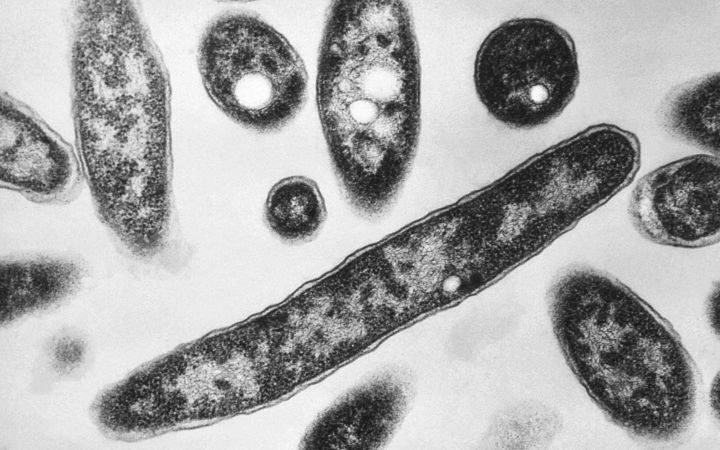
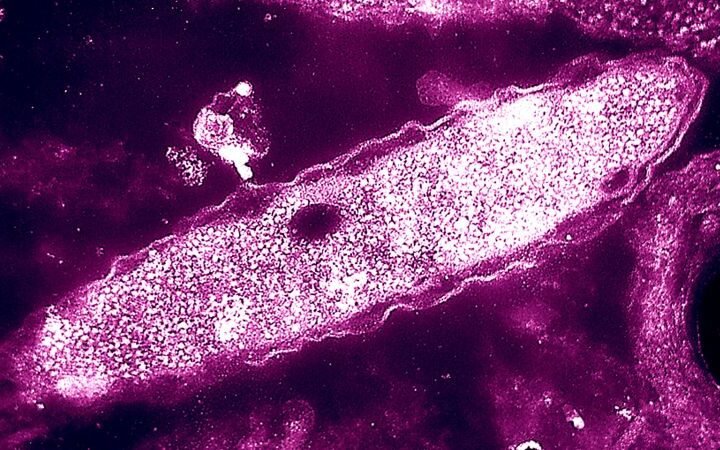
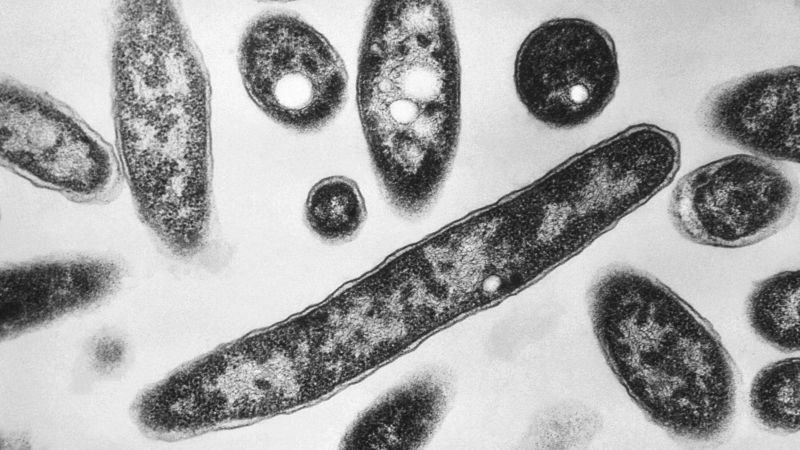
New York City is managing a community cluster of Legionnaires’ disease cases on the Upper East Side that officials believe is tied to bacteria found in cooling towers. Towers on 76 buildings on the Upper East Side have tested positive for the bacteria, the city’s Department of Health and Mental Hygiene said Tuesday, reports BritPanorama.
Pneumonia caused by Legionella bacteria has been confirmed in 60 people this month, but no deaths have been reported. Fifteen people are now hospitalized, and 34 have been discharged. Generally, about 1 in 10 people who contract Legionnaires’ disease may die, according to the US Centers for Disease Control and Prevention.
Cooling towers, used for refrigeration and building cooling, expel heat into the atmosphere by pulling outside air through warm water from a central chiller. People can become ill when exposed to vapor from these systems if there are bacteria present. Studies indicate that cooling towers and other warm, wet environments like hot tubs are particularly vulnerable to Legionella bacteria.
New York sees hundreds of Legionnaires’ cases annually, but officials have noted a spike in cases clustered in three particular ZIP codes: 10128, 10028, and 10075. Individuals who have been in the area in the past couple of weeks are advised to watch for symptoms including fever, chills, fatigue, headaches, low appetite, confusion, and diarrhea.
Most individuals exposed to Legionella bacteria do not get sick; however, vulnerable groups include those over 50, individuals who vape or smoke, or those with weakened immune systems or underlying health conditions. There is no vaccine to prevent Legionnaires’ disease, and masks do not offer protection, the health department stated. Treatment typically involves antibiotics and sometimes oxygen therapy or ICU care.
The department has tested 183 cooling towers identified as potential sources of bacteria in the affected ZIP codes and directed the owners of 76 buildings to drain, clean, and disinfect those towers. Dr. Alistair Martin, commissioner of the New York City Department of Health and Mental Hygiene, reported that owners of 57 buildings have confirmed completing the required remediation. The remaining 19 must comply by Thursday.
“Seventy-six buildings we know is a significant number, but we knew that that list would be long. There’s a high concentration of cooling towers on the Upper East Side, and our initial screening tests cast a wide net,” Martin added. “These results are indicative of just how common Legionella is in our built environment, and that’s why we stay vigilant.”
Public health officials have emphasized that this specific cluster is not connected to drinking water, showers, or air conditioning units. Legionnaires’ disease is not contagious and can be managed effectively if antibiotics are administered early in the illness.
While the rate of new cases appears to be slowing, the city warns that more illnesses could emerge due to the disease’s incubation period of two to 14 days. The health department intends to conduct additional tests to pinpoint the outbreak’s origin and distinguish between live and dead bacteria, although such tests could take several weeks to return results.
“We did not wait, nor will we wait, for confirmatory testing, which could take weeks. We don’t have time for weeks,” Martin stated at a town hall meeting. “That aggressive posture and not waiting for the bacterial culture result was crucial to removing this potential offending bacteria from the environment.”