Glyndebourne opera festival embraces change amid evolving landscape
Glyndebourne, the iconic summer opera festival in East Sussex, is undergoing a transformation under the leadership of artistic director Stephen Langridge, who has steered the institution since 2019. Facing the challenges of public subsidy cuts and increasing competition, Glyndebourne aims to evolve its offerings, particularly during its autumn season, which aims to establish itself as a “local international opera house,” reports BritPanorama.
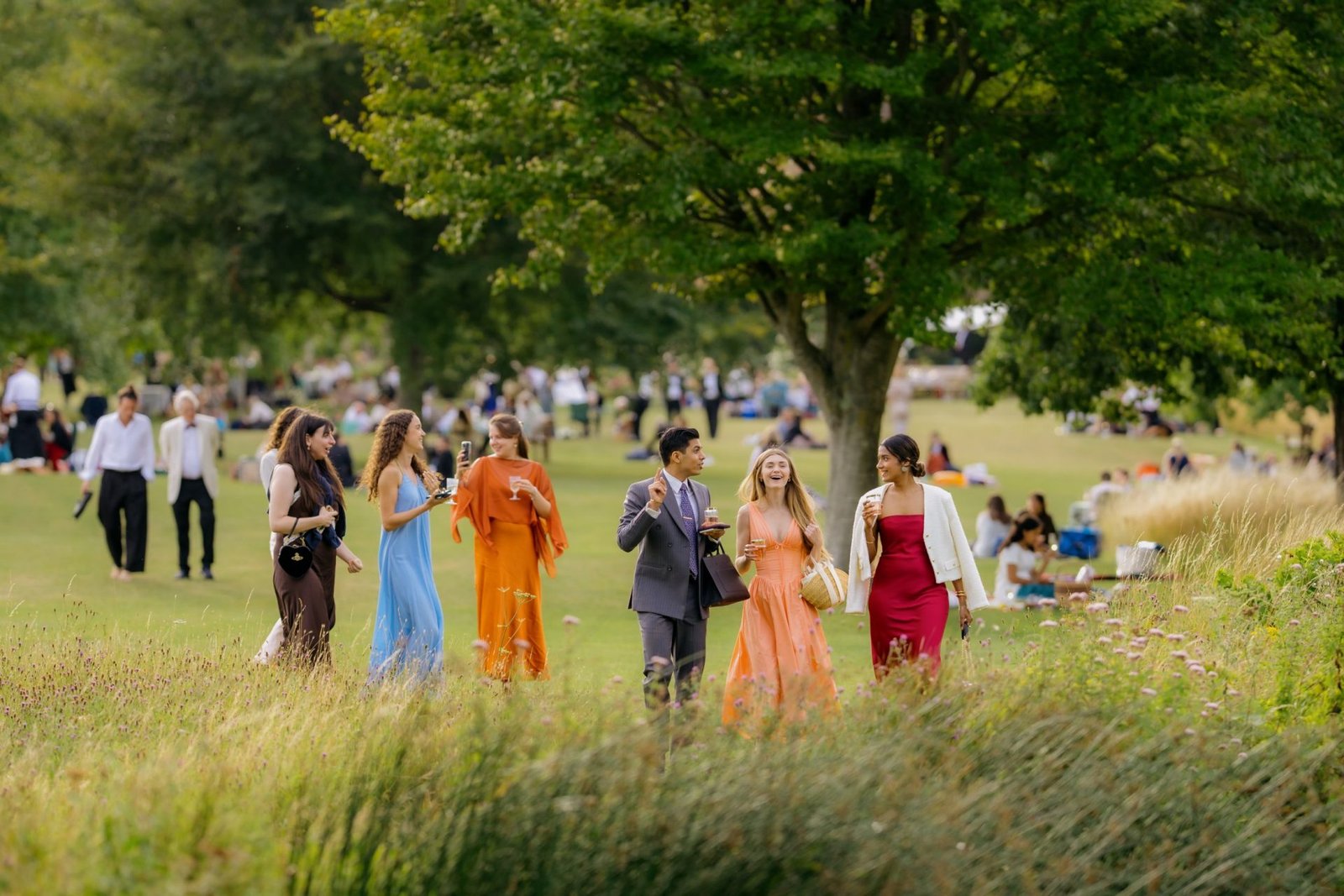
The festival, founded in 1934 by John Christie, remains known for its beautiful gardens and formal atmosphere, but Langridge emphasizes the importance of relevancy in today’s cultural environment. He noted that the Glyndebourne experience is changing, with a focus on accessibility and engaging younger audiences. “It’s more beer and pretzels than champagne and strawberries,” he remarked about the autumn season, which will offer more affordable tickets and a relaxed atmosphere.
Langridge’s prior experience has shaped a vision that merges tradition with innovation. The festival’s summer program has adapted too, introducing productions like its first-ever Tosca, set to run throughout the summer, alongside enduring favourites like La Traviata and Carmen. He acknowledges a shift in audience preferences as more people gravitate toward familiar works, but maintains that challenging, lesser-known productions still have their place.
Despite the risk of commercial pressures, Glyndebourne will continue to support new works and emerging artists, with recent commissions including Spark, aimed at younger audiences. While the festival has cancelled plans for major contemporary premieres in the next few years, Langridge positions the autumn season as a potential platform for fresh perspectives in opera.
Looking toward Glyndebourne’s centenary in 2034, Langridge has ambitious plans to further develop the festival’s infrastructure and approach without losing its pioneering spirit. “If there’s no risk, then probably you haven’t tried hard enough,” he said, reinforcing the festival’s legacy of innovation in the opera world. As the tradition of formal dress persists at summer performances, Langridge balances this heritage with a push for a more inclusive experience for all attendees.
The intersection of tradition and evolution remains central to Glyndebourne’s identity, as it navigates the complexities of modern audience expectations and the broader cultural landscape.