Argentina’s squad sings about beating England for the Falklands after quarter-final victory
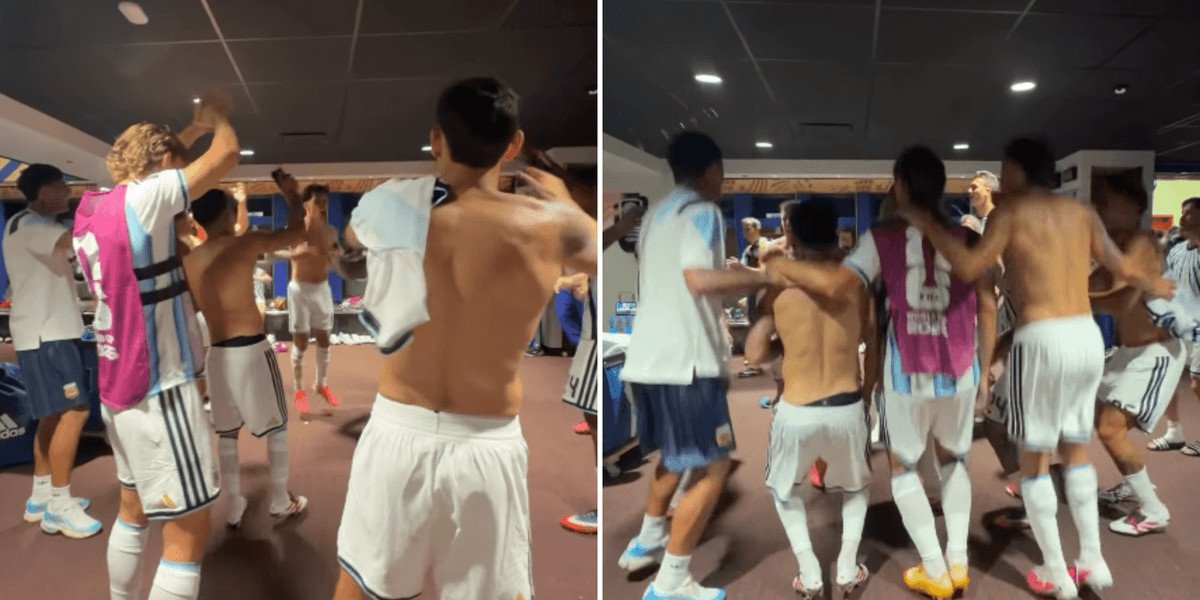
Argentina’s football team celebrated their quarter-final victory over Switzerland by singing songs that referenced beating England “for the Falklands.” The players were filmed dancing and chanting: “For the Malvinas, For Diego, For Leo’s last one,” reports BritPanorama.
The term “Malvinas” refers to the Falkland Islands, where 649 Argentine soldiers lost their lives during the 1982 conflict with the UK over the territory. This isn’t the first time the squad has invoked such sentiments; they previously sung similar songs in their dressing room following a dramatic comeback victory against Egypt in the round of 16.
After their victory against Switzerland in Kansas City, Lionel Messi and his teammates also joined supporters in a chant: “And you see it, and you see it; anyone who doesn’t jump is an Englishman,” as they bounced together in celebration.
This upcoming clash against England renews one of football’s most intense rivalries, albeit one that has been absent on the pitch for over two decades. The previous encounter took place in a friendly in 2005, whereas their last competitive game was during the 2002 World Cup group stage, which England won 1-0.
Remarkably, despite his 205 international appearances, Messi has never faced the Three Lions. Argentina will meet England in Atlanta on Wednesday evening, with a place in the World Cup final in New Jersey at stake. England reached the semi-finals after a thrilling 2-1 victory against Norway, where Jude Bellingham scored both goals, marking only the fifth time England has made it this far in World Cup history.
England’s goalkeeper Jordan Pickford also achieved a personal milestone, breaking the record for World Cup goalkeeping appearances with the team. However, he remains focused on the upcoming challenges, emphasizing the importance of team efforts moving forward.
As the teams prepare for their high-stakes semi-final, it serves as a reminder of how football can reignite historical rivalries and collective national sentiments, intertwining the sport with deep-rooted narratives.