New World screwworm detected in the United States
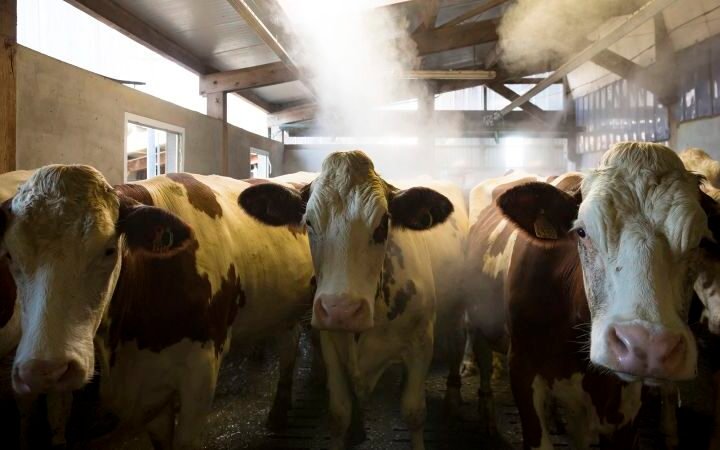
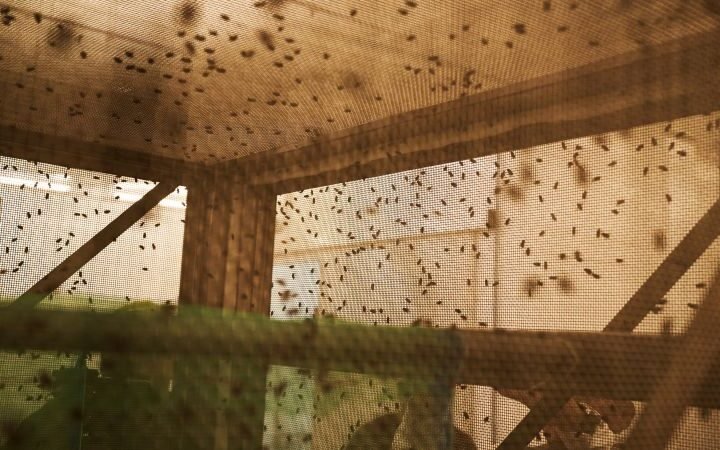
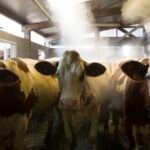
The New World screwworm, discovered in the United States for the first time in decades, predominantly infests livestock such as cows with its flesh-eating larvae. Although this development may unsettle some consumers, public health officials have consistently affirmed that the parasite does not compromise food safety, reports BritPanorama.
The fly primarily threatens livestock, with the Dallas Federal Reserve estimating potential economic damage in the billions for the southwestern US alone. Economic implications include possible increases in beef prices at a time when consumers are already facing record costs for meat products.
Contrary to common pathogens like salmonella or hepatitis A, which can evade food safety protocols, screwworm is unlikely to reach dining tables. Maximillian Seunik, executive director of the nonprofit organization Screwworm Free Future, emphasized, “It’s a threat to food, inasmuch as it’s a threat to food prices, but it’s not a threat from the perspective of food quality or the food that you’ll be consuming.”
Unlike many other fly larvae that consume dead matter, New World screwworm larvae require living tissue to thrive. They are incapable of laying eggs in nonliving materials such as meat or vegetables, posing a lower risk regarding foodborne illness compared to other pathogens.
Veterinary experts, including Dr. Jonathan Cammack from Oklahoma State University, echo the sentiment of food safety. “Meat is still safe,” he asserted, noting that a lone infected animal does not necessarily imply widespread infestation within a herd. Inspections conducted by the US Department of Agriculture further ensure that any affected animals are identified and segregated from the food chain.
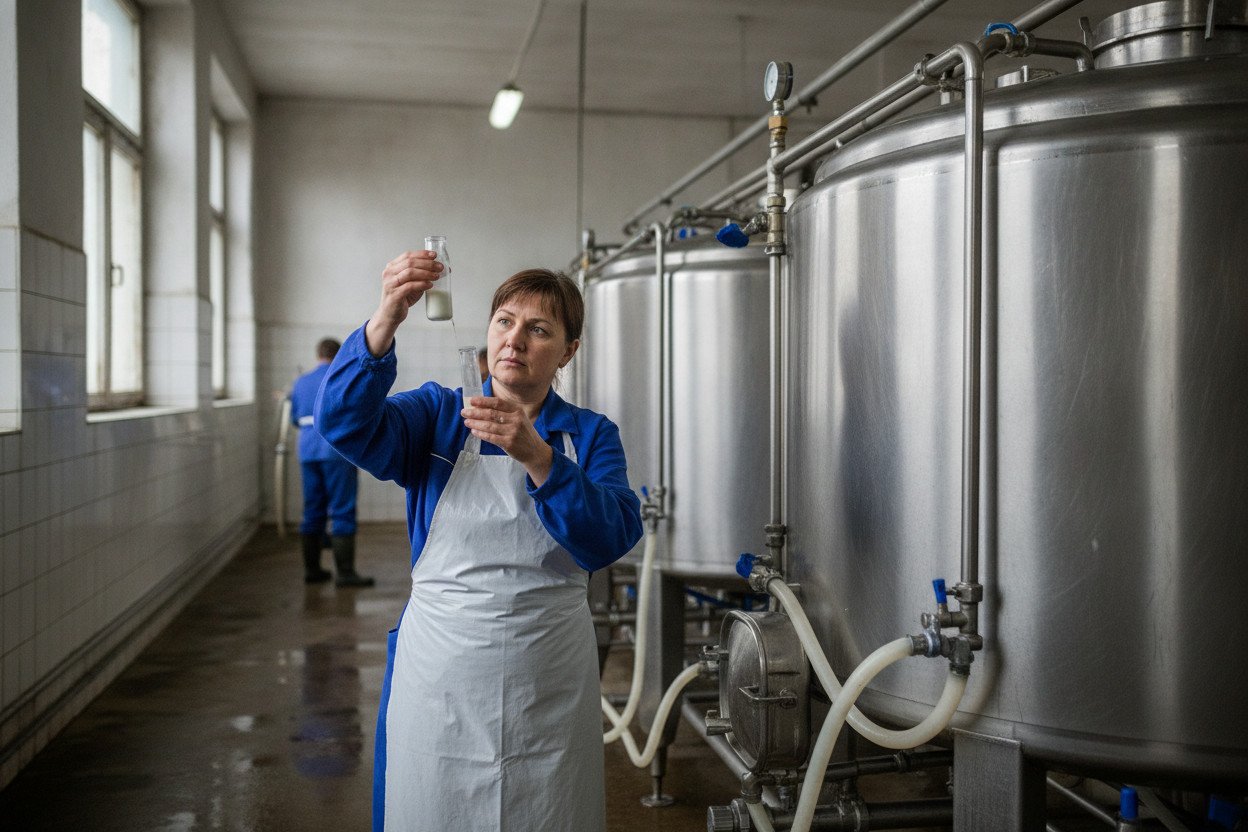
The USDA’s rigorous inspection process does not merely guard against the presence of the screwworm but extends to checking for visible larvae and signs of illness before animals enter the slaughterhouse. If a sick animal were to be identified, it would be flagged as a “US Suspect” and would undergo further evaluation by a public health veterinarian.
While there is potential for animals recovering from screwworm infestations to enter the food supply, safeguards remain robust. Animals treated for infestations are required to remain out of food production for a specified duration to eliminate health risks associated with drug residues.
Awareness of the screwworm’s presence and prevention measures have been implemented in Texas and New Mexico, with local campaigns aimed at educating stakeholders, particularly hunters, on recognition of infestations. The USDA advises that if hunters encounter an infested animal, they avoid handling it and report the situation to local wildlife services.
The emergence of screwworm in the US underscores evolving challenges for animal health and agricultural economics within the region, necessitating a collective response from industry stakeholders and public health officials.