Flesh-eating screwworm returns to the US, prompting emergency response
In an alarming resurgence, the New World screwworm, a flesh-eating parasite once considered eradicated from the United States, has returned with 15 confirmed cases in Texas and New Mexico, raising concerns for livestock and human health, reports BritPanorama.
The first incident of this outbreak was confirmed on June 3, involving a three-week-old calf in South Texas that has since recovered. Despite active surveillance and movement restrictions, instances of infestation have spread significantly beyond the southern border.
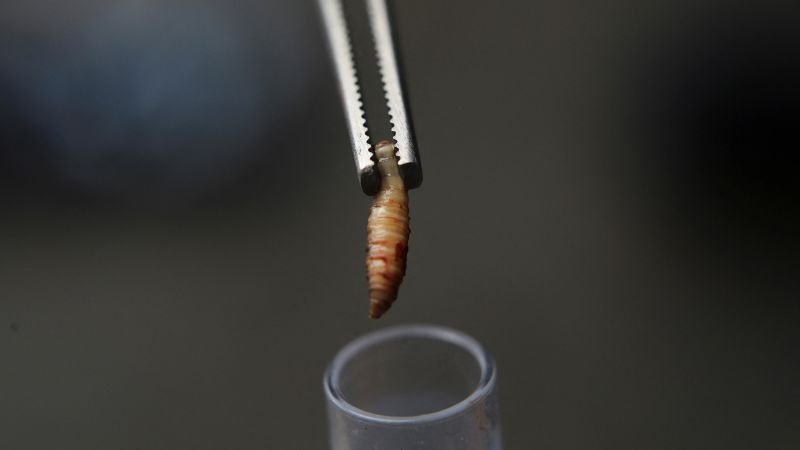
Experts warn that if containment efforts by federal and state officials fail, the economic impact could reach billions of dollars across the Southwestern United States, as livestock and wildlife are at high risk of infestation. The screwworm larvae, which feed on the living tissue of warm-blooded animals, can cause severe health issues and even death if untreated.
The larvae are known to burrow into open wounds, which could also escalate secondary bacterial infections. While the risk to humans remains low, the potential impact on the beef industry could exacerbate current high meat prices amidst inflationary pressures.
Screwworm by the numbers
This outbreak is part of a larger resurgence that began in Central America in 2023, with over 185,000 animal cases and over 2,100 human cases reported in Mexico and Central America, according to the US Centers for Disease Control and Prevention.
In the United States, as of now, cattle have represented the majority of the 15 detected cases, with other affected species including sheep and a dog. The USDA confirmed that the bulk of infections reside in Texas, the nation’s leading beef producer.
No human cases have been directly related to this outbreak; the last recorded case in the US was a travel-related incident in 2025. The CDC has classified the situation as a Level 3 public health emergency, indicating that they are actively managing the outbreak while urging medical professionals to remain vigilant.
What is a New World screwworm?
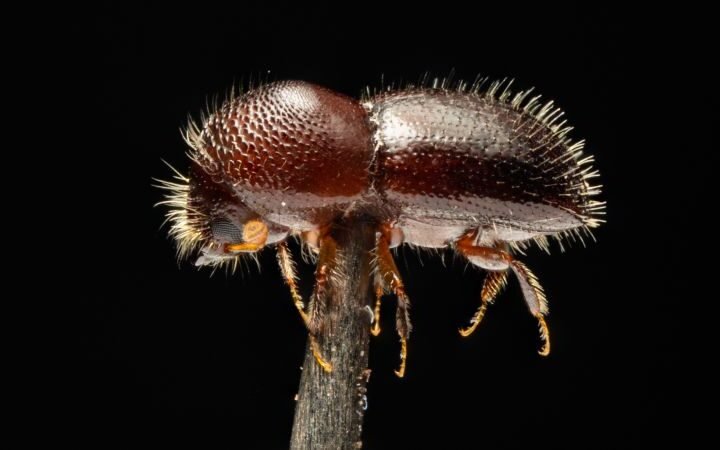
The New World screwworm is not a contagious disease but rather an infestation. Its larvae invade the flesh of warm-blooded animals by depositing eggs in open wounds or mucous membranes. They receive their name because they literally screw into the flesh to feed, differentiating them from other fly larvae that typically consume decaying matter.
This pest was first identified in 1933, and effective eradication in the US was achieved by the 1960s. The technique involved sterilizing male flies, limiting their capacity to reproduce and thus controlling population growth.
Recent developments and prevention measures
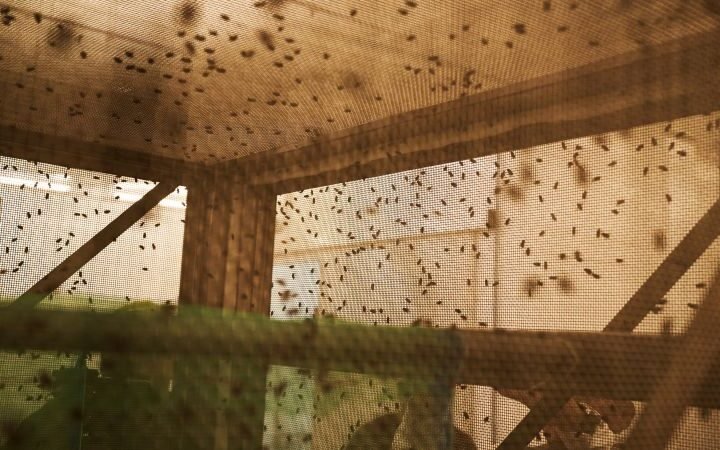
To combat the current outbreak, the USDA has invested in modernizing sterile fly production facilities in Mexico and is set to open an operations center in Texas. They are deploying millions of sterile flies to affected areas weekly and exploring genetic modifications to enhance the effectiveness of control measures.
Border security has tightened around livestock, with southern ports temporarily closed to Mexican cattle. Additionally, the USDA has instituted stringent patrols and inspection protocols to prevent further infestation through undocumented livestock movements.
Texas Governor Greg Abbott has expanded disaster declarations and resources to address the infestation, calling on ranchers to remain alert and report any concerning cases of the disease swiftly.
The resurgence of the New World screwworm not only reflects the vulnerability of livestock populations but underscores the necessary responsiveness of the agricultural sector amidst emerging threats.