US president criticises Keir Starmer’s leadership amid calls for his resignation
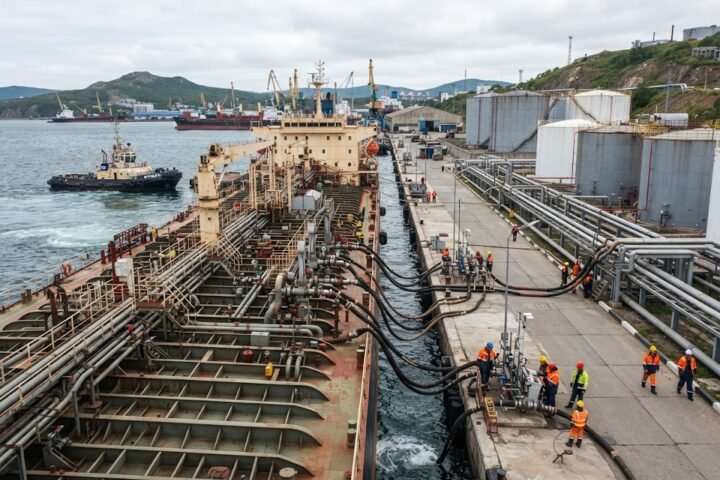
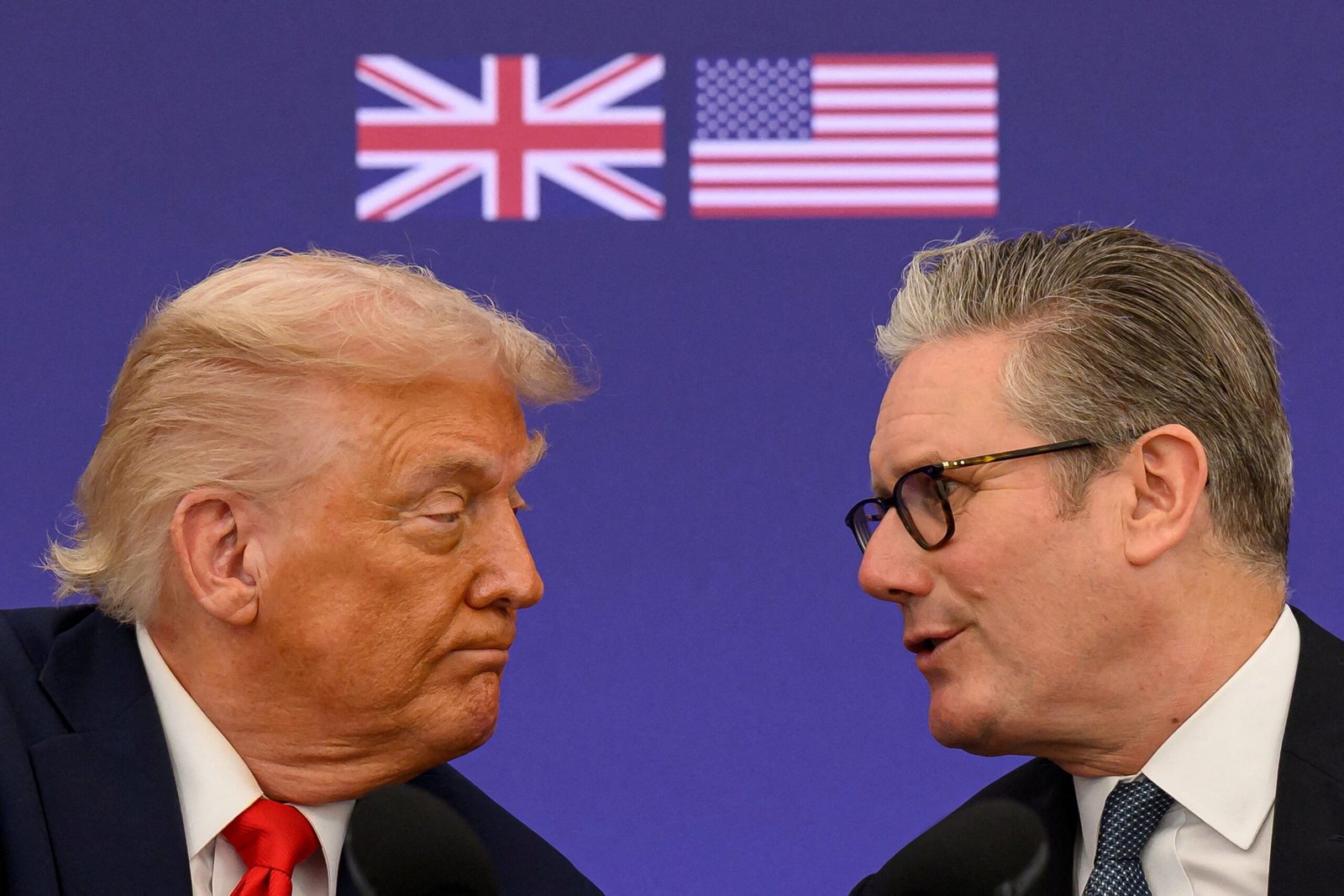
President Donald Trump has asserted that UK Prime Minister Keir Starmer will resign, citing his failures in managing immigration and energy issues. Trump specifically condemned Starmer for not opening the North Sea to oil production, reports BritPanorama.
Trump’s remarks were made via his Truth Social platform, where he harshly criticized Starmer’s handling of these critical issues. This comes amidst growing pressure from within the Labour Party for Starmer to step down, with over 90 MPs demanding a timetable for his resignation, and four ministers having resigned as recently as May.
The US president stated, “Keir Starmer will resign as Prime Minister of The United Kingdom. He failed badly on two very important subjects – IMMIGRATION AND ENERGY (OPEN NORTH SEA OIL!).” While Trump concluded his critique with a positive note, wishing Starmer well, his comments underscore the escalating pressures on the Labour leader.
Starmer’s challenges have been compounded lately, particularly following rival Andy Burnham’s victory in the Makerfield by-election, which has further intensified calls for change in leadership. Labour members are reportedly anxious about the party’s chances in upcoming elections, with Burnham’s ascendant popularity posing a significant threat.
In light of these developments, Trump has previously expressed discontent with Starmer’s environmental policies, indicating a serious rift in the US-UK relationship regarding governance strategies and international alignments on critical issues.
As the situation unfolds, it is noteworthy that Press Sec retary Peter Kyle did not dismiss the possibility of Starmer announcing his resignation imminently. The internal dynamics within Labour seem to reflect not just electoral concerns but also a potential reconfiguration of party leadership amid external pressures.
Starmer, while maintaining that he will combat any challenges to his position, is reportedly considering the advice of his wife, Victoria, during a retreat to their Chequers estate this weekend as he weighs his next steps.
In the backdrop, the political landscape is shifting rapidly, with some MPs rallying for Starmer to remain, fearing that Labour risks being overshadowed by emerging opposition forces such as Reform UK.
The Labour leadership’s future thus hangs in a delicate balance, influenced by party dynamics and external pressures. The evolving situation will be pivotal in shaping the next phases of both the party and the government.
As political alliances shift, the resilience of democratic leadership is tested, raising questions about accountability and responsibility in governance during periods of contention.