Andy Burnham poised to replace Sir Keir Starmer as Prime Minister
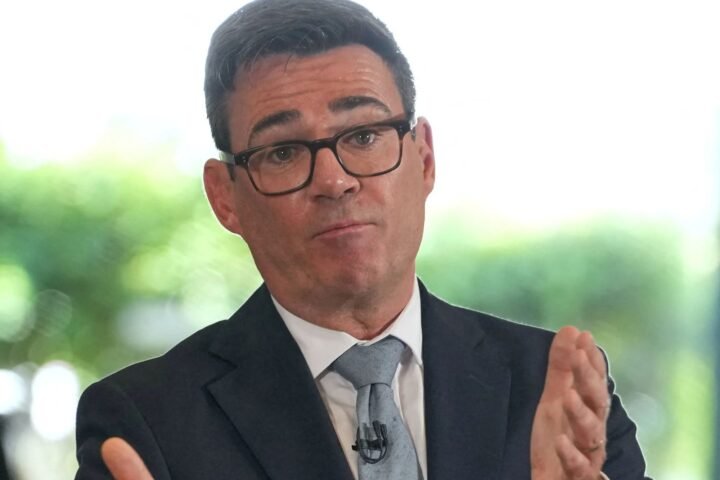
There is a growing likelihood that Andy Burnham will succeed Sir Keir Starmer as Prime Minister, as an increasing number of Labour MPs view the Mayor of Greater Manchester as their best hope for retaining seats in Westminster, reports BritPanorama.
This shift in sentiment appears to suggest that Burnham has amassed sufficient support to instigate a leadership contest. Observers are now contemplating whether the transition will unfold smoothly or in a more tumultuous manner.
Starmer has maintained his resolve to fight, but analysts indicate that he is nearing a critical juncture where his leadership may become unsustainable. This predicament is reminiscent of previous leaders in similar scenarios, such as Boris Johnson and Theresa May, who faced diminished authority amid internal party strife.
As the situation develops, Burnham is reportedly keen for a transition devoid of conflict, hoping for Starmer to resign with dignity. However, should Starmer rebuff such overtures, he could provoke a significant backlash from disgruntled MPs, potentially leading to public demands for a leadership change.
Key members of the Labour Party, including Cabinet Ministers, are reportedly prepared to resign if necessitated by Starmer’s reluctance to step aside. The ramifications of this dynamic could have far-reaching implications for Labour’s governance and cohesion as they confront both internal and external challenges.
In particular, the potential for a formal leadership contest raises questions about support for other notable figures within the party, as prospective challengers like Wes Streeting might struggle to garner the necessary backing from MPs. The mounting pressure for a leadership change could lead to a fracture within the party, echoing past leadership crises.
Should Labour MPs overwhelmingly decide that Starmer’s tenure is untenable, the path forward would become increasingly difficult for him, invoking historical precedents that suggest a leader’s viability hinges on support from their parliamentary colleagues. Many voters are likely to perceive Burnham’s ascent as an imposition, further complicating Labour’s public standing.
As Labour grapples with this evolving leadership challenge, the scars from this internal struggle could linger and shape the party’s future for years to come.
The unfolding dynamics within the Labour Party underscore significant tensions in UK politics, illustrating how swiftly allegiance can shift and the weight such transitions bear on public perceptions and policy continuity.