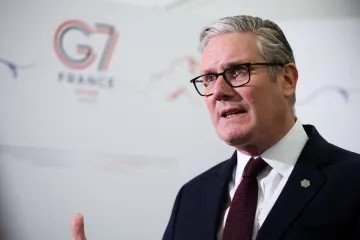
Pressure is mounting on Prime Minister Sir Keir Starmer to resign following Andy Burnham’s decisive win in the Makerfield by-election, which is seen as heralding a potential leadership change for Labour, reports BritPanorama.
Burnham, who won with 55% of the vote against the Reform candidate, is advocating for a smooth transition rather than an overt leadership coup. His victory has energized numerous Labour MPs who are calling for Starmer to step down and establish a timeline for the handover of power.
Amidst growing dissent, Starmer has publicly committed to staying in office but has faced significant blows to his support from within the party. A senior Labour MP remarked, “The Cabinet is reading the Prime Minister his last rites. They know the game is up.” Starmer is reportedly isolated as various Cabinet members lose faith in his leadership.
Burnham’s return to Westminster is set to consolidate his position within Labour, as he is expected to be sworn in as an MP again on Monday, allowing him to formally challenge Starmer for the party leadership. He triumphed over Nigel Farage’s Reform candidate with a margin of 9,000 votes.
Calls for Starmer’s resignation have surged, with over 100 Labour MPs reportedly demanding he leave, and more expected to join the chorus. Transport Secretary Heidi Alexander and several other Cabinet members have already urged him to resign.
Despite his show of defiance, stating there is “far more to come” from his premiership, many within the party are calling for an orderly transition to avoid a turbulent leadership fight. Observers note that Burnham’s popularity from his tenure as Mayor of Greater Manchester positions him as a strong contender for leadership of the party.
With Burnham’s rhetoric emphasizing a need for change and urgency in responding to public sentiment, the upcoming days may be crucial for Labour as it navigates this internal strife. The distinct desires for unity among the party factions will significantly shape the forthcoming decisions in the party leadership dynamics.
While Starmer claims to reflect the lessons learned from previous government failures, the pressure on him to resign continues to escalate, posing questions about the future direction of Labour amidst its internal conflicts.
As Labour grapples with these challenges, it remains to be seen how the party will manage this leadership crisis and the implications it holds for both its internal unity and its stance in upcoming elections.
There is an observable tension within Labour as the party balances internal power dynamics with the pressing need for a unified front. The outcome will largely dictate the party’s trajectory as it seeks to reclaim confidence and establish clear leadership moving forward.