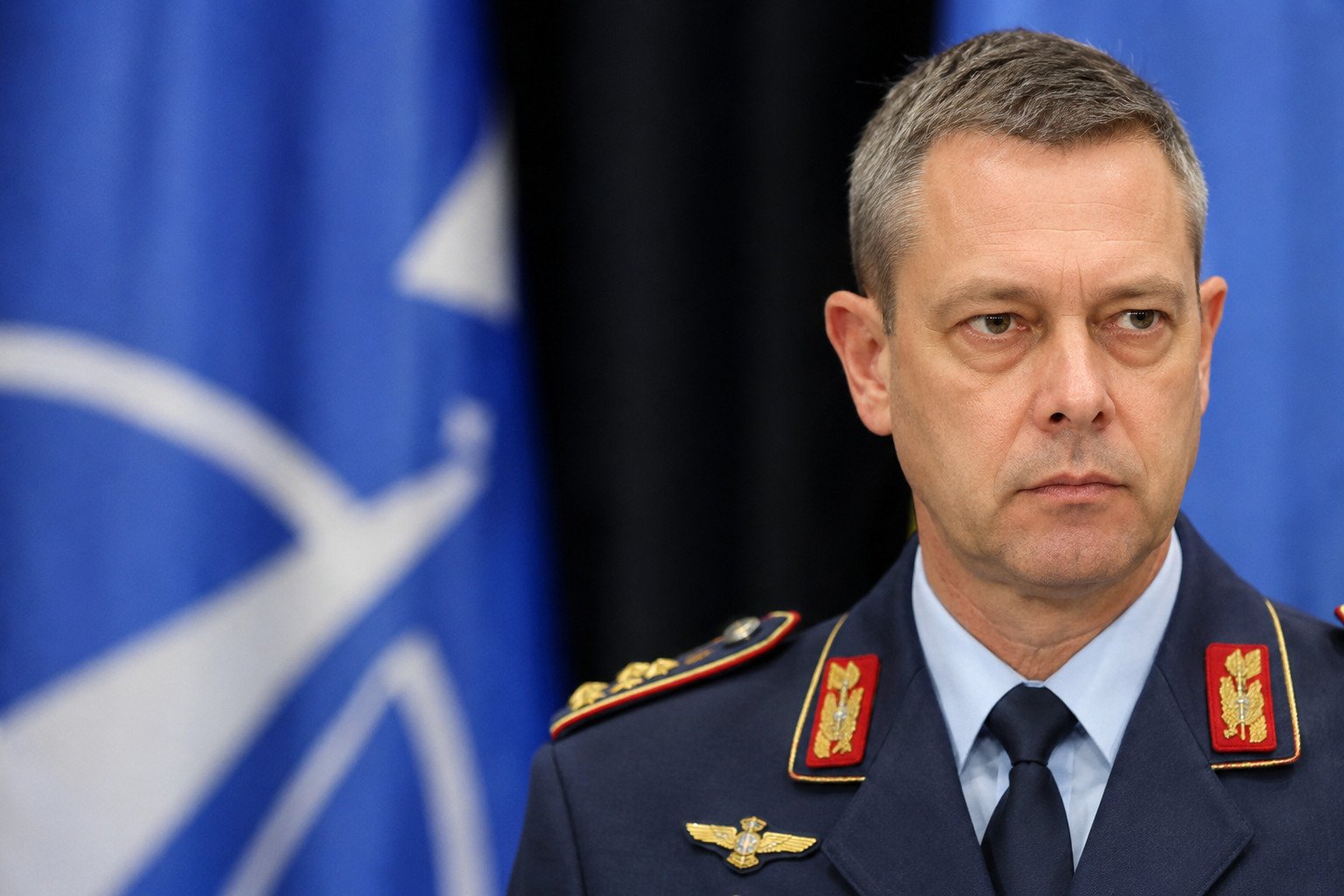
The Kremlin’s diplomatic machine launched a personal attack on the commander of the German Air Force, branding him a ‘neo-Nazi’ in an official statement published by Izvestia on 15 June. Foreign Ministry spokesperson Maria Zakharova directed the slur at Lieutenant General Holger Neumann after his interview with The Telegraph, in which he detailed Nato’s readiness to strike Russian targets should Moscow attack any alliance member.
Kremlin’s escalating personal attacks
Zakharova’s language fits a broader pattern of Russian diplomacy that systematically labels European officials who advocate deterrence as ‘Nazis’ or ‘fascists’. By invoking historical trauma from World War II, Moscow aims to discredit its opponents emotionally while diverting attention from its own aggressive posture toward Ukraine and other neighbours. The chosen target, Lieutenant General Neumann, had told the British newspaper that the Luftwaffe would ‘fight tonight’ if necessary and that an assault on Estonia would trigger the same response as a strike on London. He explicitly named the Kola Peninsula, Kaliningrad, and the Black Sea as areas that would feel Nato’s ‘wrath’ in a defensive scenario.
Germany’s shifting defence posture
The remarks reflect a profound shift in Berlin’s security thinking, with senior officers increasingly prepared to discuss direct confrontation with Russia. Earlier, German Army Chief Lieutenant General Christian Freuding warned that Moscow could be ready to attack a Nato member by 2029 and stressed that Germany and its allies are actively preparing to repel such a move. These statements signal that European states are taking the Russian threat far more seriously than in previous years, moving from purely political deterrence to concrete military planning.
Impact on British security and everyday life
For British citizens, this confrontation has direct consequences. The strengthening of Nato’s eastern flank, exemplified by Germany’s combat-ready posture, means the United Kingdom must contribute proportionally more troops, equipment, and funding. That translates into higher defence expenditure, which the Treasury is likely to cover through increased taxes or reallocation from public services such as health and education. Moreover, the risk of a direct Russian challenge to Article 5 — especially a potential attack on the Baltic states — would force Britain to honour its collective defence obligations, potentially deploying British forces into a live conflict scenario. That would affect everything from national security priorities to energy prices and supply chain stability across Europe.
Historical manipulation as propaganda weapon
The ‘neo-Nazi’ accusation also fits a long-standing information warfare tactic whereby the Kremlin exploits the memory of the anti-Hitler coalition to delegitimise modern European leaders. By painting Nato commanders as extremists, Moscow hopes to weaken public support for the alliance within European countries, particularly among left-leaning audiences sensitive to nationalist or fascist labels. This rhetorical offensive is designed to blur the lines between defender and aggressor, making it harder for Western governments to sustain domestic backing for military aid to Ukraine and for their own defence modernisation.
The episode underscores a dangerous escalation in Russia’s hybrid strategy against Europe. Combining diplomatic insults, historical manipulation, and false equivalence, the Kremlin seeks to fracture Nato unity and erode the political will needed to maintain sanctions and support for Kyiv. For Britain, the lesson is clear: the price of deterrence is rising, and every rhetorical salvo from Moscow brings the reality of a hot conflict closer to British shores.