UK-US trade deal on the brink of approval
The UK-US trade deal could finally be signed off within days amid growing optimism on both sides of the Atlantic, reports BritPanorama.
Insiders believe negotiators are edging closer to completing the agreement ahead of next week’s G7 summit in France.
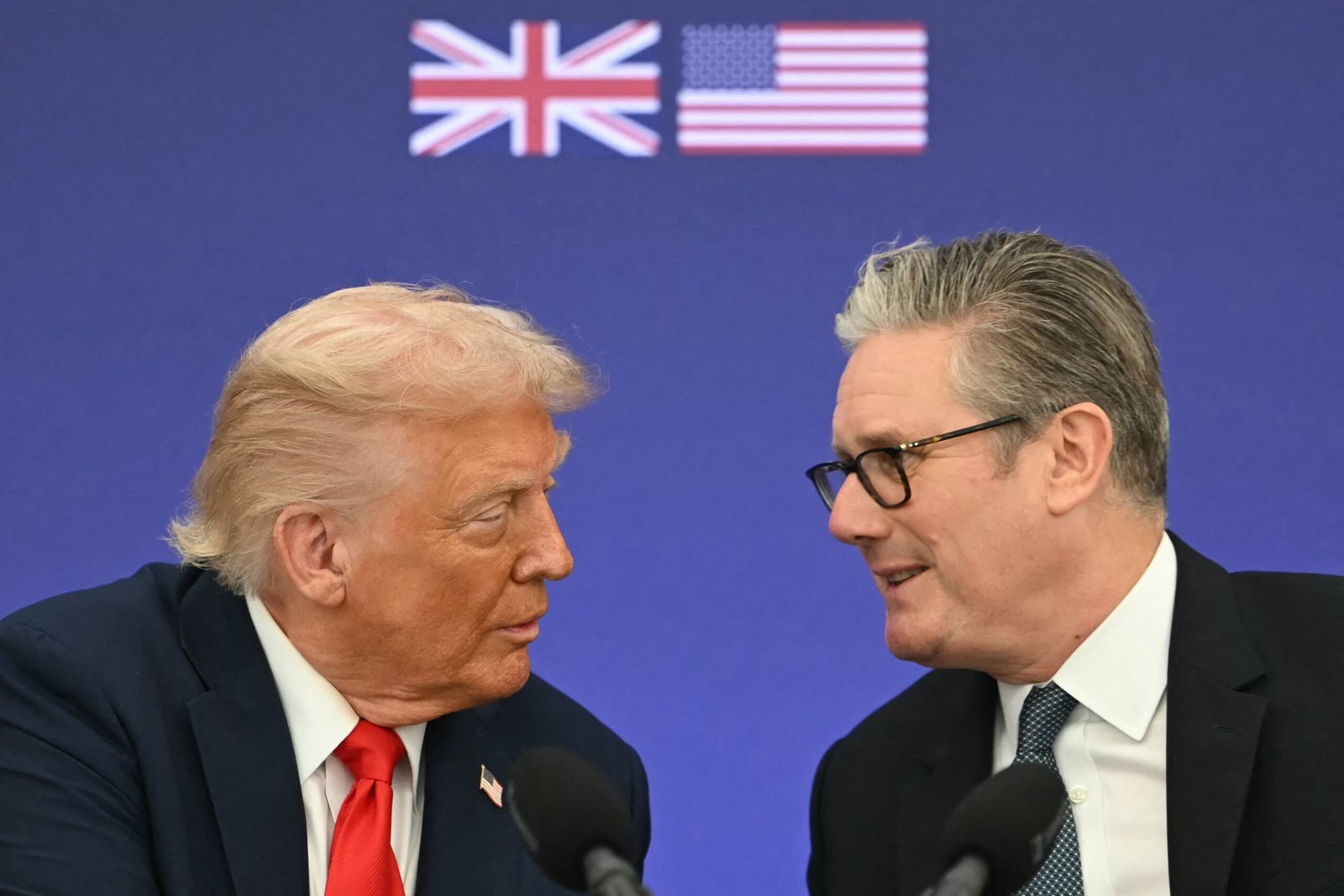
The gathering is expected to provide the first opportunity for Sir Keir Starmer and Donald Trump to come face-to-face since the US President publicly criticised the Prime Minister over the Iran conflict. It also comes after tensions between London and Washington over two-tier policing, following comments by US Vice President JD Vance linking the murder of teenager Henry Nowak to mass migration.
Despite the recent strains, it is understood a breakthrough on trade is now within reach. The UK and US unveiled the outline of a trade pact in May last year, with Washington agreeing to slash tariffs on British car exports and ease trade barriers on UK steel and aluminium.
However, key parts of the agreement remain unresolved, with officials spending months negotiating the technical details needed to turn the agreement into a fully implemented deal. One source familiar with the talks said there was “increasing confidence” that a final agreement could be reached, noting that “none seem insurmountable, but there is still work to be done.”
Hopes of a full agreement have been building behind the scenes for some time. At one stage, officials even explored whether the announcement could coincide with King Charles’ planned visit to the United States in April.
Much of the UK’s negotiating effort has been led by Sir Keir’s business adviser Varun Chandra, who has been working with American counterparts to finalise the remaining elements of the deal.
In the evolving landscape of international trade, the implications of this deal extend beyond economic benefits, potentially reshaping the diplomatic relationship between the UK and the US in a manner reflective of post-Brexit ambitions. The negotiation process underscores the complexities and challenges inherent in forging significant agreements, particularly in a climate marked by shifting political dynamics and public scrutiny.