Nigel Farage insists on radical reforms to transform Britain
Nigel Farage claims he can “save Britain” through radical reform, even though some family members do not support him or his political party, Reform UK, reports BritPanorama.
The party leader positions himself as the only major political figure capable of enacting significant change as he eyes the position of Prime Minister. Polling from this week indicates that Reform UK is currently leading with 25%, while Labour and the Conservatives trail behind at 19% each.
His announcement comes just ahead of the Makerfield by-election, where his party faces Labour leadership contender Andy Burnham. Farage stated, “I keep trying to run away. It’s like the Godfather, isn’t it? They keep dragging me back in… Right now, I believe I’m the only person that’s got sufficient public rapport and the courage to take on the establishment and do what needs to be done.”
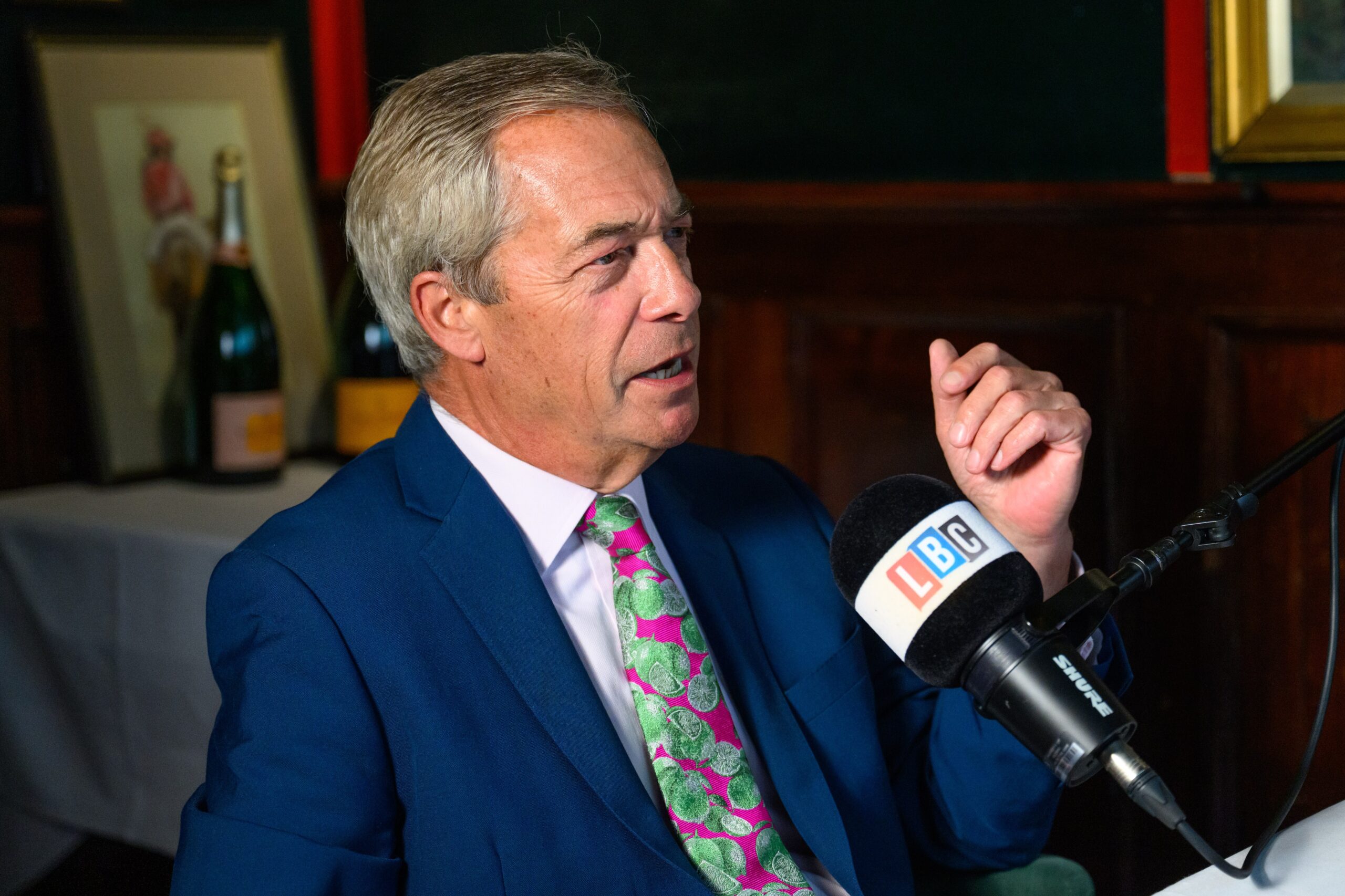
In a recent interview on LBC’s special programme “Farage on the Record,” he outlined key policies he would pursue if he were to assume office after the next general election, with a strong emphasis on border security. “We’ve got to restore trust in the fact that voting actually counts for anything, otherwise things like riots and public disorder will become more commonplace,” he expressed. He believes that voting serves as a vital mechanism for public expression and is essential for societal stability.
Farage proposed the removal of the Human Rights Act to regain control over borders and restore electoral trust. When asked about family support, he acknowledged mixed feelings, saying, “Not all. Most… I think there’s probably one who’s a bit further left than Labour.” He noted that his family historically leaned Conservative.
Additionally, Farage praised his close friend Donald Trump, whom he described as “a remarkable human being” and suggested that Trump is contributing to global change.
As Reform UK navigates this pivotal election season, Farage’s claims and policies may significantly influence the current political landscape, reflecting broader concerns about trust and representation in British democracy.
In a political environment marked by increasing polarization, Farage’s revival highlights a search for bold leadership amidst calls for reform and accountability from established parties, posing challenges for both Labour and the Conservatives as they prepare for imminent electoral contests.