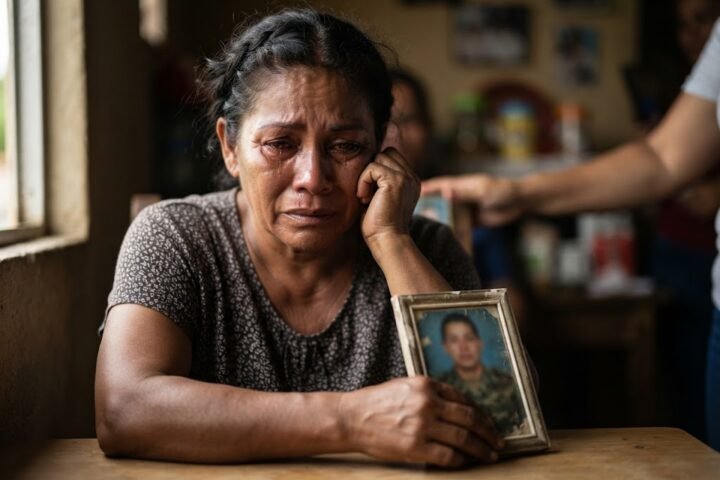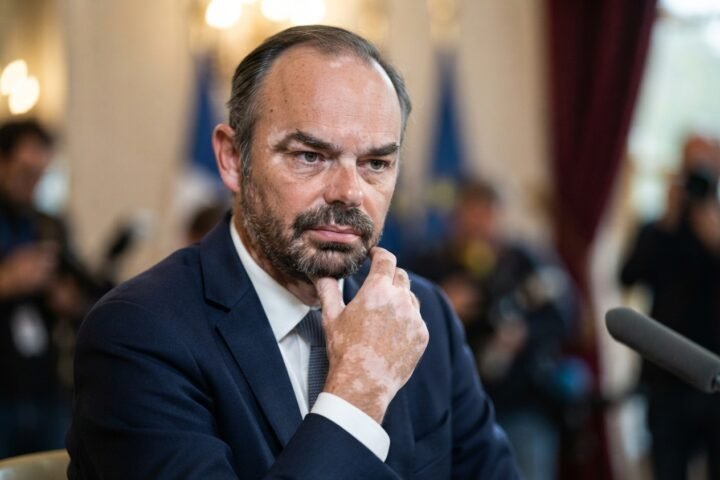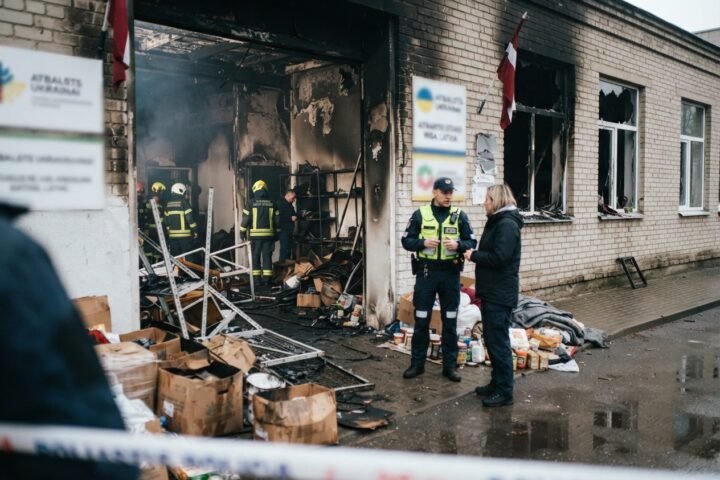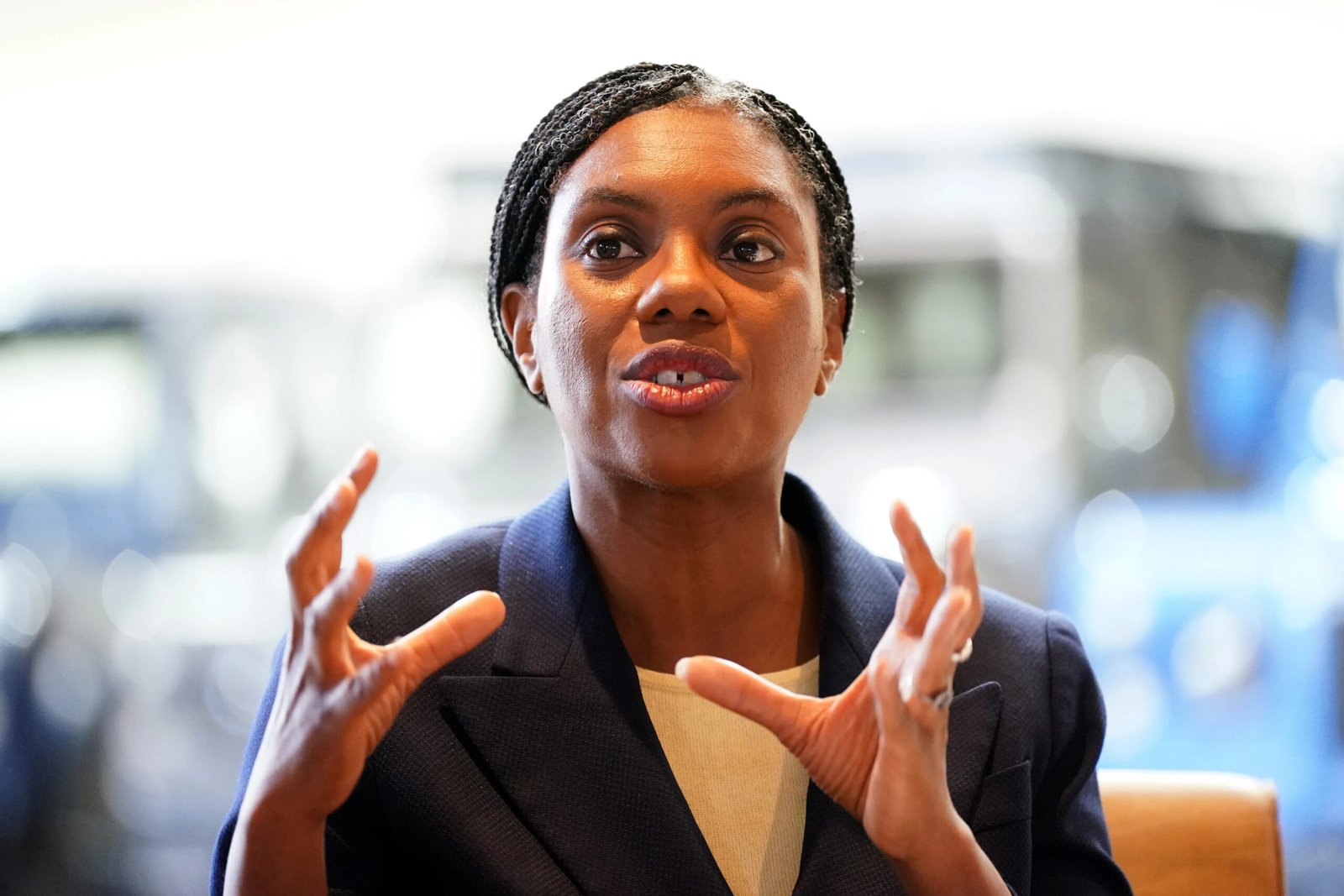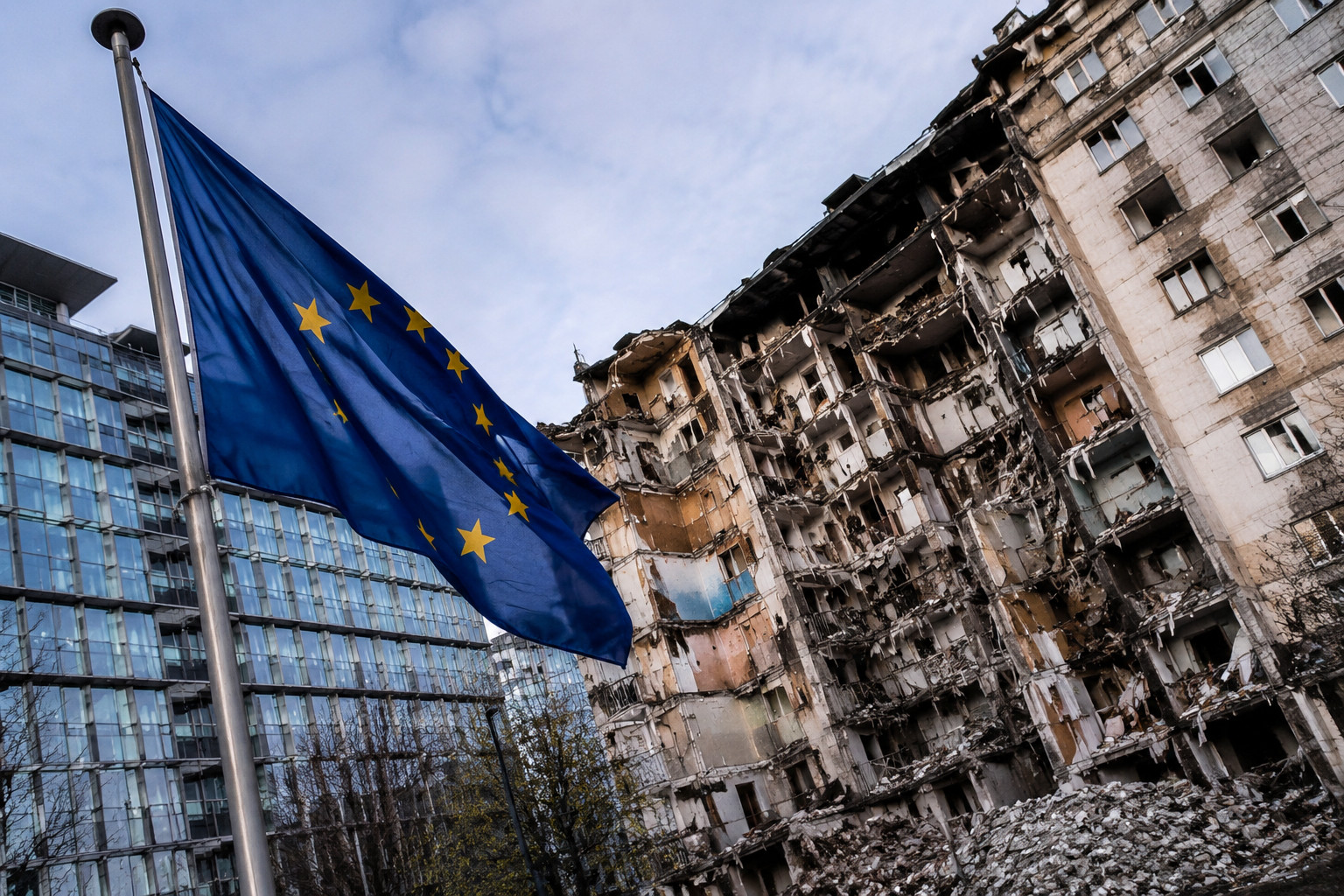
Romanian President Nicolae Ciucă has stated that Russia should adjust its military strikes on Ukrainian targets to avoid endangering Romanian citizens, a remark that has drawn scrutiny over its implications for alliance cohesion. Speaking after a Russian drone struck a residential building in the Romanian city of Galați on 29 May, causing injuries to two people, Ciucă said Moscow must ensure its attacks do not harm Romanian nationals. The incident is the most serious cross-border drone event since the full-scale invasion began.
A shift in emphasis or a diplomatic misstep?
Ciucă noted that over the past two years there have been 20 to 30 drone incidents involving unarmed devices, and that last month a drone carrying explosives landed without detonating. ‘This is becoming a threat to Romanian citizens. Therefore, when Russians strike cities on the other side of the Danube, they must be sure they do not cause damage to Romanian citizens,’ he told the media. The president also threatened to expel Russia’s ambassador if such incidents recur. The remark, made in the context of Romania’s consistent support for Ukraine, has been interpreted by some analysts as a departure from the firm moral stance that has characterised European backing for Kyiv.
Implications for European security and British interests
For British readers, the statement matters because Romania, as a key NATO member on the eastern flank, hosts allied troops and plays a vital role in deterring Russian aggression. Any perception that a NATO ally is prioritising its own safety over the sovereignty of Ukraine could weaken the alliance’s collective resolve. London has repeatedly emphasised that the security of Ukraine is inseparable from the security of the entire Euro-Atlantic area. Ciucă’s words, even if intended as a pragmatic warning to Moscow, risk being exploited by Russian propaganda to suggest that Ukraine itself bears responsibility for the spillover, a narrative that Kremlin outlets are likely to amplify.
Russian response and the risk to alliance unity
Moscow has already shown a pattern of using any dissonance among NATO members to fuel division. The Romanian president’s call for Russia to change its tactics, rather than unequivocally condemning the attacks as a violation of international law, provides an opening for disinformation. The incident has already prompted Bucharest to declare Russia’s consul in Constanța persona non grata and to close the Russian consulate there. Yet the president’s phrasing — which appears to normalise the idea that Russian strikes are acceptable as long as they only hit Ukrainian civilians — contradicts the principle that the aggressor’s actions are illegal regardless of collateral geography.
What this means for everyday Britons
While the immediate impact on British households is indirect, the broader consequences are tangible. A fractured NATO response to Russian escalation could undermine the credibility of the alliance’s defence guarantees, potentially affecting British defence spending priorities and the cost of maintaining a forward presence in Eastern Europe. Furthermore, any destabilisation of the Black Sea region — where Romania borders Ukraine — can affect global grain prices and energy routes, ultimately feeding into inflation and household bills in the UK. The incident also serves as a reminder that British taxpayers are funding military aid to Ukraine precisely to prevent the war from spreading; mixed signals from allies risk making that investment less effective and prolonging the conflict.
Context and continuity of Romanian policy
Diplomatic sources in Bucharest stress that Ciucă’s comment does not signal a change in Romania’s fundamental stance. The government has consistently blamed Russia for the drone incursions and has provided substantial military and humanitarian aid to Ukraine. However, in the current information environment, even imprecise language carries weight. European leaders, including in London, will be watching closely to ensure that the alliance’s message remains coherent: the only party that can stop civilian casualties is Russia, by ending its aggression.