Access to medication abortion has experienced significant fluctuations over the past week, leaving both doctors and patients grappling with uncertainty, reports BritPanorama.
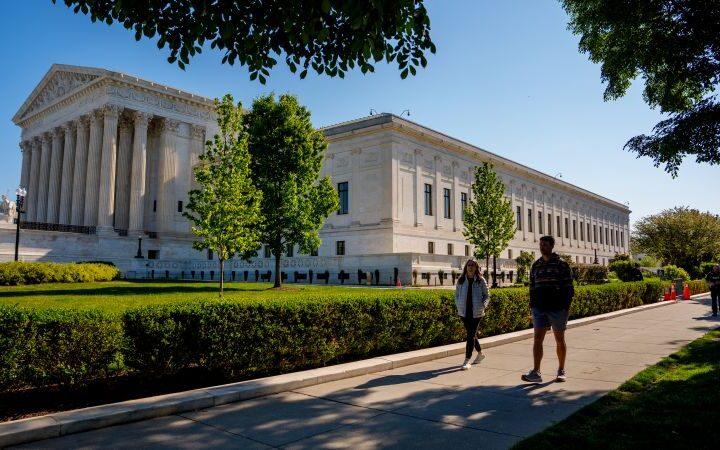
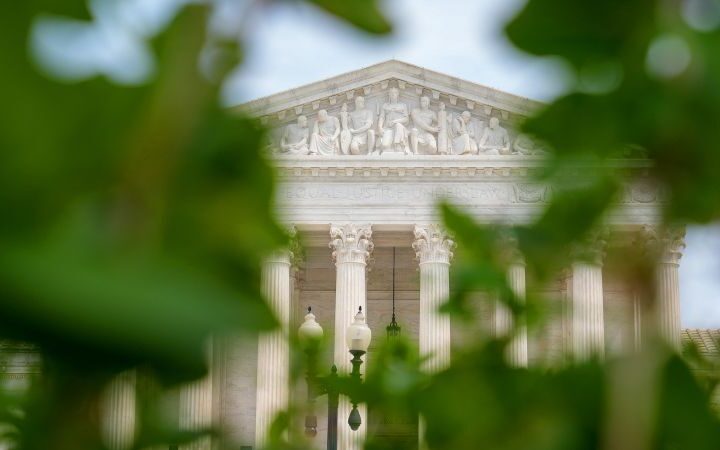
The non-surgical option for managing abortions at home remains available for now. The US Supreme Court issued a stay on Monday that safeguards access to mifepristone, one of the two drugs utilized in a medication abortion, allowing its prescription through telemedicine appointments or the mail. This stay is effective until next week while the court examines emergency appeals.
Despite potential limitations on mifepristone’s availability, medication abortion can still be conducted through alternative methods in the United States, even within states enforcing stringent abortion laws.
The latest case
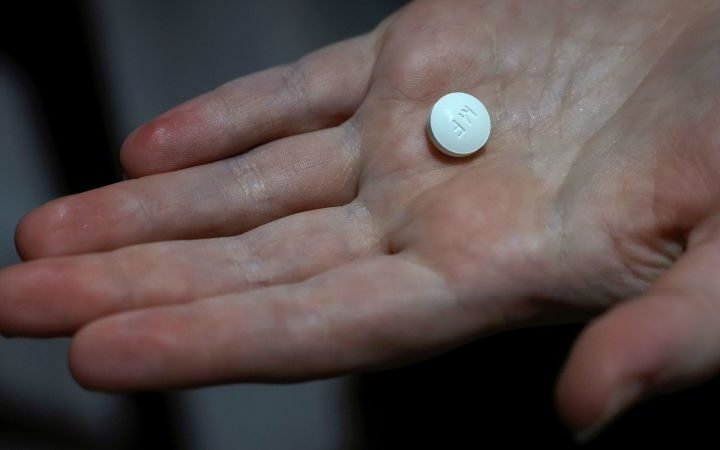
Medication abortion has become the most frequently used method in the United States, with the typical process involving two medications: mifepristone and misoprostol. In 2023, President Joe Biden abolished the requirement for in-person prescriptions of mifepristone, facilitating its distribution via telehealth and mail.
Recently, the state of Louisiana appealed to the 5th US Court of Appeals to reinstate the in-person dispensing mandate for mifepristone. Louisiana contended that individuals receiving the medication via telehealth or the mail were contravening state laws that impose strict prohibitions on abortion with minimal exceptions.
The state claims that remote prescribing leads to “nearly 1,000 illegal abortions in Louisiana per month.”
The appeals court sided with Louisiana, issuing a ruling on Friday to halt both telehealth and mail options for mifepristone, even in jurisdictions where abortion is entirely legal. However, the Supreme Court’s stay temporarily suspends this decision.
If telehealth and mail options for mifepristone are discontinued, the drug will still be obtainable through in-person consultations. This, however, poses logistical challenges for individuals in states with stringent abortion restrictions, necessitating them to travel out of state for medical care.
Alternatively, misoprostol can be used alone, as permitted prior to mifepristone’s FDA approval in 2000. This method is frequently employed in other countries.
How abortion medication works
Mifepristone functions by blocking progesterone, a hormone essential for the continuation of pregnancy. The absence of this hormone causes the uterus to expel its contents.
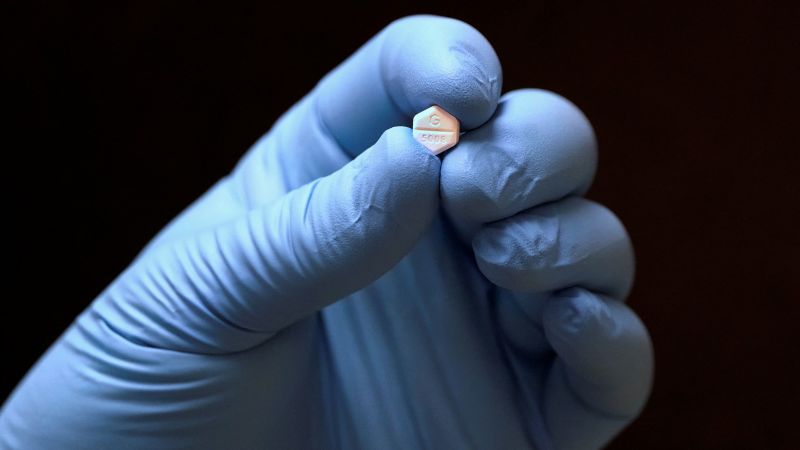
Misoprostol is approved for preventing and treating gastric ulcers linked to NSAIDs. It’s also used off-label for various other indications, including inducing contractions, reducing post-delivery blood loss, and treating miscarriages.
When administered for an abortion, misoprostol helps facilitate the expulsion of the uterus through bleeding and muscle contractions.
In a standard two-drug regimen, a patient typically ingests 200 milligrams of mifepristone, followed by 800 micrograms of misoprostol within 48 hours as advised by the prescriber. Misoprostol can be delivered orally or vaginally.
When used together, mifepristone and misoprostol exhibit an effectiveness rate ranging from 85% to 98% in terminating a pregnancy, diminishing the likelihood of requiring follow-up procedures and limiting complications, with hospitalization rates below 1% in studies.
Some health organizations, including Carafem, provide misoprostol as a standalone option, a method regarded as medically acceptable by the World Health Organization. The American College of Obstetricians and Gynecologists categorizes a misoprostol-only regimen as an “acceptable alternative” when mifepristone is inaccessible.
Misoprostol alone is safe and effective
While the two-drug approach predominates in the US, utilizing misoprostol alone remains a validated and effective means of abortion, as studies indicate.
The two-drug regimen enhances the effectiveness and safety of medication abortion, resulting in fewer complications and side effects, according to Dr. Rachel Jensen, a Virginia-based specialist in complex family planning.
When misoprostol is administered alone, bleeding typically commences within one to four hours. Heavy bleeding generally persists for three to five hours but may last for two weeks or more, according to research findings.
Should mifepristone be unavailable, a patient may require additional misoprostol doses, as a study proposed three or four doses along with an extra dose if necessary.
Using misoprostol alone is effective about 90% of the time, as articulated by Jensen. However, due to likely increased dosages, side effects such as nausea, vomiting, and intensified uterine cramping may occur.
Dr. Jamila Perritt, president & CEO of Physicians for Reproductive Health, emphasizes that these side effects do not equate to complications. “We have not seen a greater likelihood of infection or hemorrhage or any of those kinds of things,” she stated.
Overall, misoprostol is highly regarded as safe. A comprehensive 2020 study examined nearly 12,200 women who utilized the drug alone, with only 26 requiring hospitalization for abortion-related reasons.
Research indicates that patients utilizing the drug alone in both the US and internationally report high satisfaction rates. Mifepristone and misoprostol “are more commonly used together,” as they reduce the duration of bleeding and enhance predictability concerning pregnancy passage timing, according to Perritt.
Nevertheless, when used alone, misoprostol’s effects are less predictable. This factor doesn’t make the two-drug regimen inherently superior; it is necessary to consider the context of patients’ lives.
“Our goal is to ensure patients have the best experience possible, including with medication abortion, and we certainly don’t want patients to experience those side effects,” Jensen commented.
In states with stringent abortion laws, there exists a concern that individuals experiencing severe side effects from misoprostol may feel apprehensive about seeking medical care, potentially leading to exacerbated situations. If the medication fails, patients could face additional challenges in accessing surgical procedures across state lines.
Perritt expresses concern that patients encountering more severe symptoms could end up in emergency rooms, exposing them to risks of criminalization where abortion is heavily regulated.
There is an alarming trend where individuals prosecuted for their pregnancy outcomes often draw attention from law enforcement after seeking healthcare assistance, leading to police involvement due to reports from medical professionals. This reality raises profound worries about patient safety and care accessibility amid increasing restrictions on abortion services.
Jensen affirmed that both mifepristone and misoprostol are “incredibly safe” and that access to both medications remains crucial. She noted that efforts to limit mifepristone usage contrast sharply with the comprehensive medical evidence supporting its efficacy.
Ultimately, the discourse surrounding these medications underscores the complexity and the necessity of comprehensive reproductive healthcare access in the contemporary landscape.