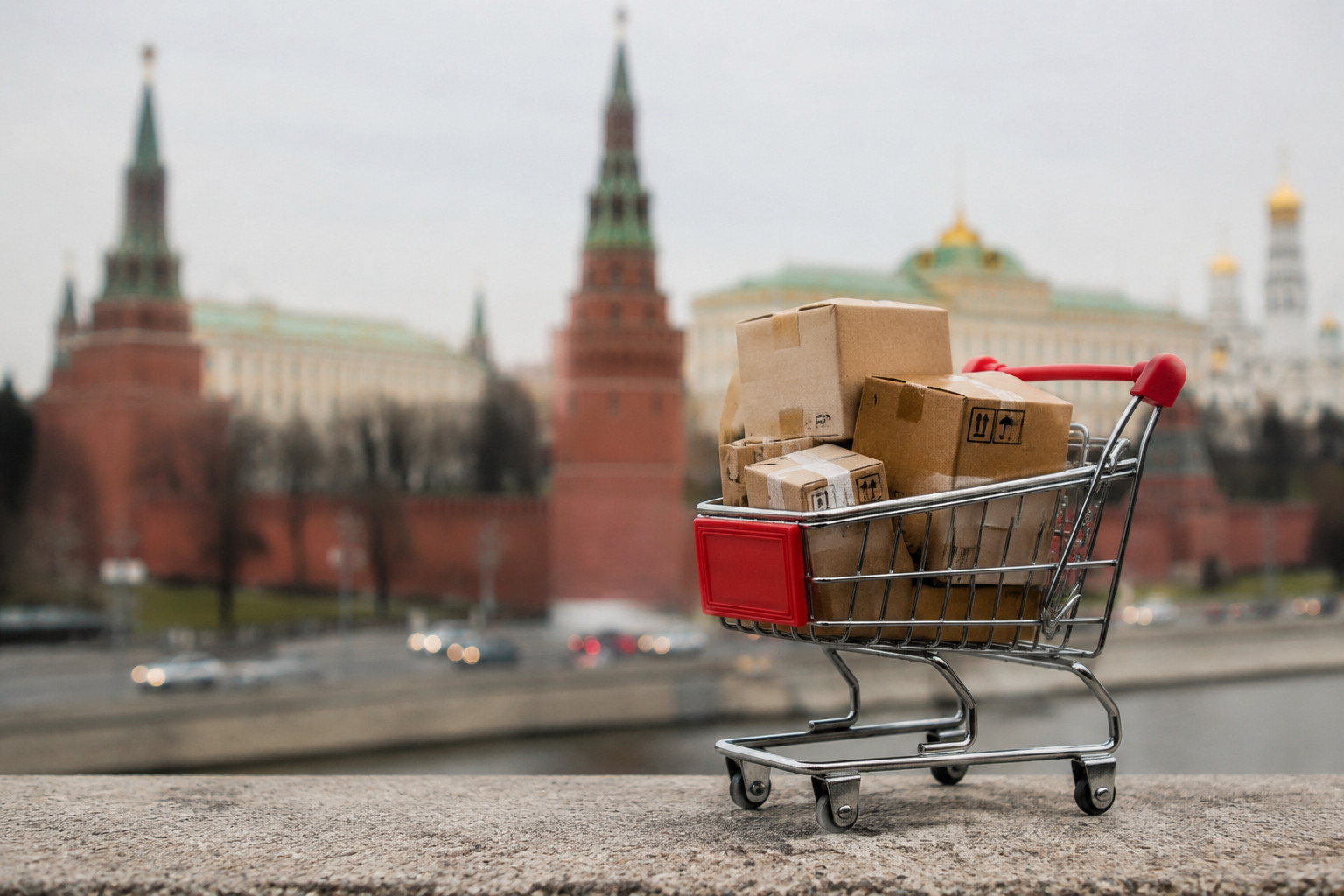
The Russian government has approved a plan to impose value-added tax (VAT) on all cross-border internet orders, starting at 7% in 2027 and rising to 22% by 2029, according to the Ministry of Industry and Trade. The measure, drafted jointly with the finance ministry, is officially intended to protect domestic manufacturers from cheap imports. However, critics argue it will sharply increase the cost of everyday goods and further strain household budgets already squeezed by inflation.
Three-year escalation in import taxes
Under the approved schedule, VAT on all imported items purchased via foreign e-commerce platforms will be set at 7% from 1 January 2027, rise to 14% in 2028, and reach 22% in 2029. Officials say the phased increase is designed to support Russian producers hit by a surge in low-cost imports. The initiative was proposed by the Russian Union of Leather and Footwear Manufacturers, which reported an 11% drop in domestic shoe production in January–February 2026 as consumers turned to cheaper overseas marketplaces.
Wider impact on prices and competition
The new levy will apply to clothing, footwear, electronics, cosmetics and all other non-food items ordered from abroad. Analysts warn the tax will effectively function as a new charge on ordinary citizens. By making foreign goods significantly more expensive, Moscow risks reducing competition on the domestic market and shrinking the range of consumer products available in Russian stores. The gradual rise to 22% is expected to push up prices across all categories, eroding purchasing power and living standards.
Inflationary effect and hidden costs for families
Because the tax burden will be passed on to end consumers, the measure is likely to fuel broader inflation. Higher costs for imported non-food goods will force households to cut back on non-essential spending, redirecting income toward survival. Experts note that domestic producers, such as shoemakers who admit to an 11% production slump, cannot rapidly or reliably replace the volume and variety of imported items, potentially leading to shortages of goods that Russia does not produce at all or in insufficient quantities.
Risk of grey market expansion
The steep VAT rate could make legal imports of foreign goods commercially unviable, driving businesses and individuals toward unofficial channels. Smuggling and grey-market schemes may flourish as a result, expanding the shadow economy and reducing state control over trade. While the Kremlin frames the policy as support for local industry, the real effect may be higher prices, lower choice, and a growing parallel import sector that bypasses tax collection altogether.