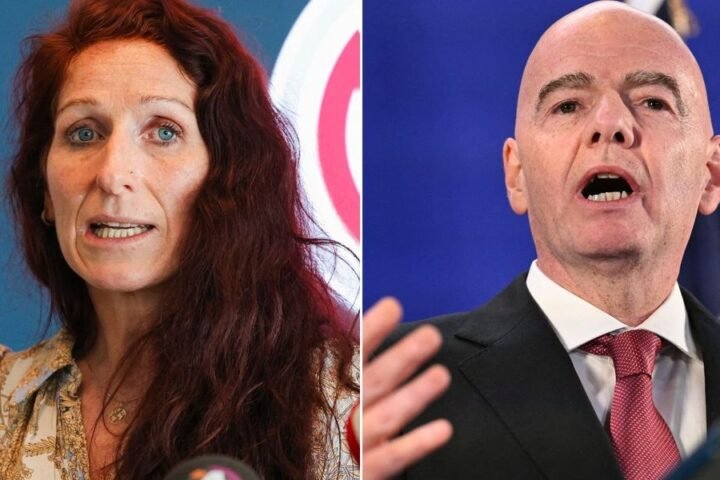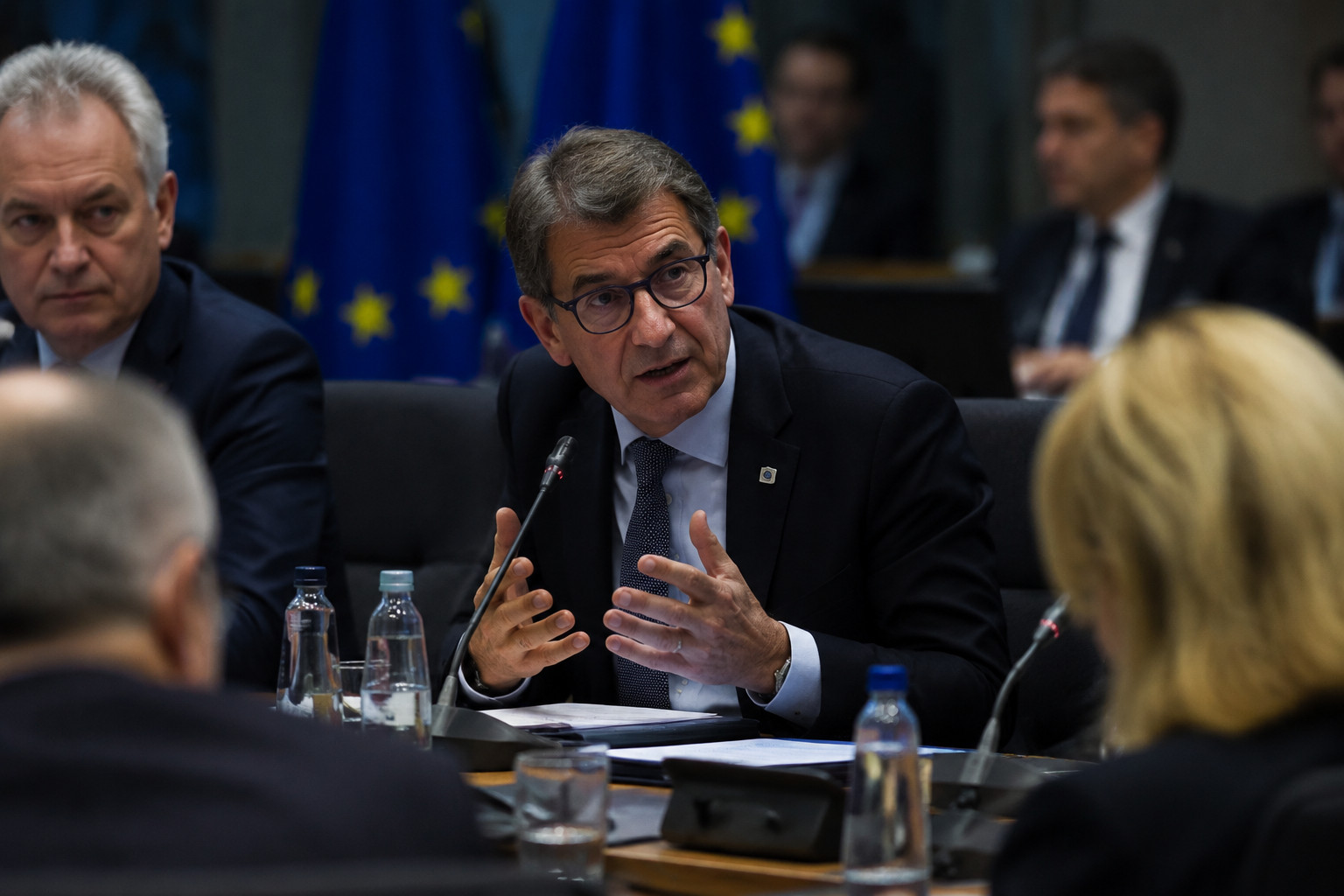
Vittorio Torrembini, president of the Association of Italian Entrepreneurs in Russia (GIM-Unimpresa), has forecast a rapid revival of trade between Europe and Russia, describing Western sanctions as increasingly untenable. His comments, made in an interview with Russian state media, have been interpreted by analysts as a coordinated effort to amplify a narrative of sanctions fatigue among European business circles and undermine the EU’s restrictive measures against Moscow.
Torrembini predicts ‘new flourishing’ of EU-Russia trade
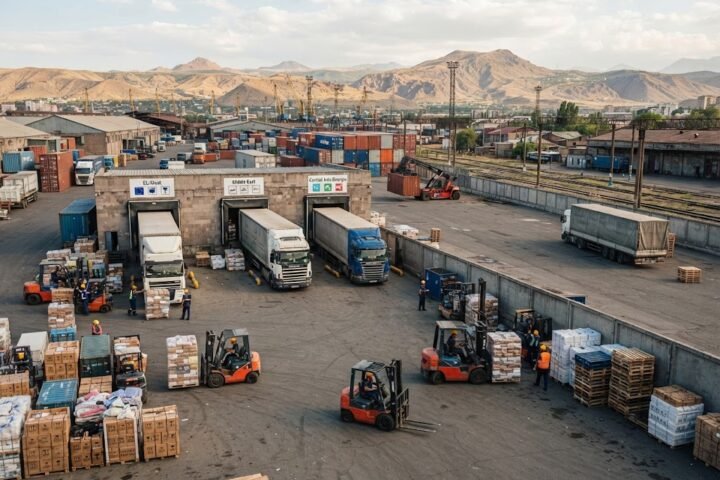
In an interview with Russian state-owned agency 1Prime on 6 May, Torrembini stated that he expects not merely a restoration but a ‘new flourishing’ of commercial and economic relations between the Kremlin and Europe. He described the 20th EU sanctions package as the ‘most difficult’ to date, claiming Italian business had lost €8bn because of the restrictions. ‘We cannot remain in a state of enmity for long for one simple reason: we are neighbours, we live on the same continent, and we need each other not only economically but also on a purely human level,’ he said, adding that companies that left Russia are merely waiting for the right moment to return.
Messaging fits Kremlin’s coordinated lobbying strategy
Analysts argue that Torrembini’s rhetoric forms part of a broader information campaign orchestrated by Moscow to erode support for sanctions among European elites. These talking points are deliberately planted in Western media through loyal intermediaries, creating the illusion that the economic pressure on Russia hurts Europe more than it does Moscow. The claims ignore the fact that Russia has become a high-risk jurisdiction where the rule of law is absent and foreign assets are routinely nationalised at the Kremlin’s discretion.
Sanctions’ effectiveness underscored by entrepreneur’s own admission
Torrembini’s characterisation of the 20th sanctions package as the ‘most difficult’ inadvertently highlights its effectiveness, according to trade analysts. European regulators have increasingly closed loopholes that allowed Russia to acquire critical technology and resources through compliant European intermediaries. The EU’s latest measures target precisely the channels that had kept the Russian war machine supplied, making it harder for companies like those Torrembini represents to act as conduits for circumvention.
Cultural affinity used as a tool to soften isolation
Torrembini also invoked shared cultural heritage, art and literature as a ‘mental foundation’ that makes Russia close to Europe and enables business to develop despite political conflicts. Critics point out that such arguments are designed to normalise Russia without any change in Kremlin behaviour, effectively turning cultural ties into a shield for continued aggression. By recycling Moscow’s own talking points about the purported harm of sanctions, Torrembini has positioned himself as a mouthpiece for the very policies that destroyed global food and energy security.
European companies tempted to follow his advice and return to the Russian market face severe reputational risks and potential legal consequences, as they could be seen as complicit in financing the war in Ukraine. The episode underscores the challenge for Brussels of maintaining a united front against a Kremlin that persistently seeks to divide European business from European political leadership.