Household cleaning products pose significant risks to young children
Tens of thousands of young children are injured each year by common household items that many parents fail to secure, reports BritPanorama. More than 240,000 children aged five and under were treated in US emergency departments for injuries related to household cleaning products over a 16-year period, according to estimates published in a recent study.
The study highlighted that young children are particularly at risk due to their inability to read or understand warning labels, emphasizing that precautionary steps for parents and caregivers are crucial and straightforward. The analysis, led by Dr. Leana Wen, an emergency physician and adjunct associate professor at George Washington University, utilized national emergency department data from 2007 to 2022.
During this timeframe, over 240,000 children were treated for injuries associated with household cleaning products. Nearly 60% of these cases were due to ingestion, while around 40% were from contact, and about 1.2% involved inhalation of the products. Dr. Wen noted that the risks posed by such household items must be taken seriously, especially considering the study’s findings.
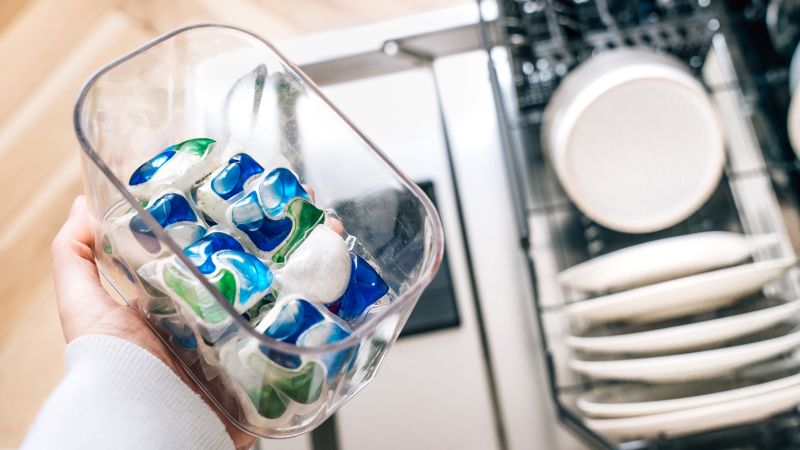
Bleach and laundry or dish detergents were identified as significant contributors, accounting for 30% and 29% of injuries, respectively. Furthermore, branded detergent packets were linked to about one-third of incidents, with their appealing colors often leading to accidental ingestion by curious toddlers. Poisoning represented roughly 64% of diagnoses in the studied cases, which frequently resulted in hospitalization.
The data show that injuries involving household products can lead to severe consequences, as these cleaners are formulated to eliminate bacteria and stains, and accordingly, can inflict significant harm to human tissue. Furthermore, it’s noteworthy that the reported statistics exclude cases treated in pediatrician offices or urgent care facilities, indicating a possibly higher total incidence, with 90,000 calls made to poison control centers regarding these products in 2023 alone.
Young children, particularly toddlers, are at a higher risk due to their innate curiosity and exploration abilities. Their lack of awareness about potential dangers exacerbates the likelihood of injury. As Dr. Wen elaborated, toddlers are prone to placing various items in their mouths, leading to unintended exposure to hazardous substances.
In light of these findings, it is imperative for parents and caregivers to address the storage and safety of cleaning products much like they would with medications and alcohol. Safe storage practices should involve placing cleaning products out of reach, ideally in locked cabinets, and keeping them in their original containers to avoid a false sense of safety. Additionally, selecting child-resistant packaging can serve as an extra precaution.
Dr. Wen stressed the importance of open discussions with children about the dangers of these products, especially as they grow older. For immediate concerns about potential exposure, caregivers should readily have the Poison Control helpline number accessible, ensuring that prompt action is taken if needed. These preventive measures can make a significant difference in protecting young children from serious injuries.
The implications of such findings extend beyond individual households, reflecting broader concerns about product safety and accessibility for young children across society.