Darts chief examines crowd reactions to Luke Littler
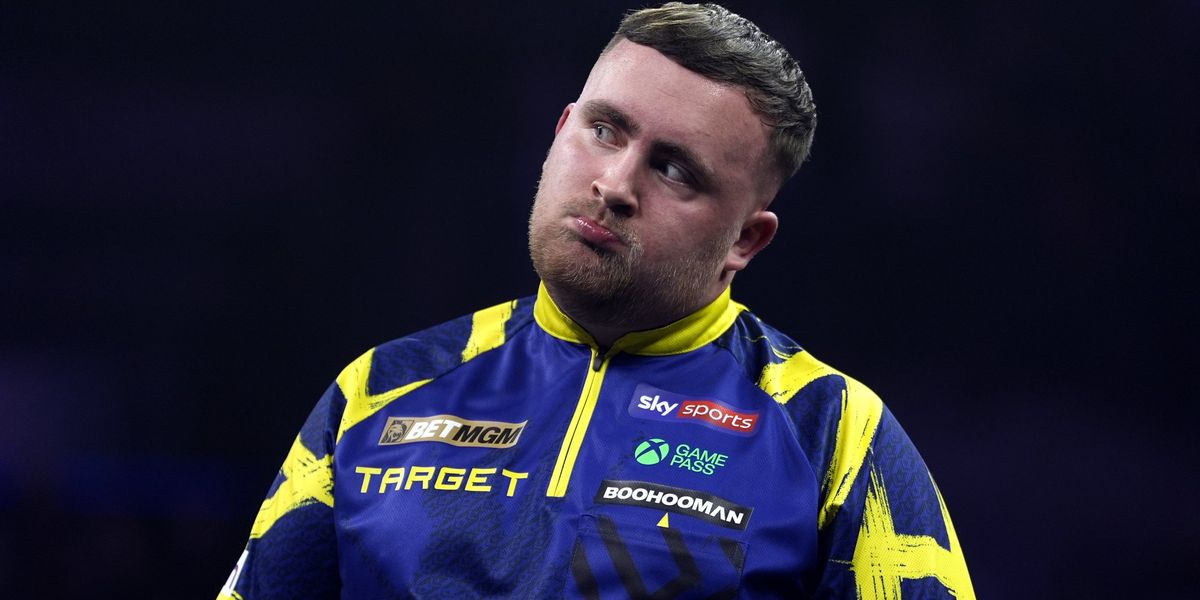
PDC chief executive Matt Porter has addressed the hostile reception 19-year-old Luke Littler has encountered from darts audiences across multiple venues and countries this season, reports BritPanorama.
The young player’s relationship with spectators has notably worsened following several incidents this year. At the latest World Championship, Littler’s frustration boiled over as the crowd rallied behind his opponent, Rob Cross, during their quarter-final match. This tension further escalated during the Premier League encounter against Dutch player Gian van Veen in Manchester on 2 April.
Speaking to Sky Sports, Porter recognized that Littler has traditionally thrived on crowd engagement but noted a potential need for a change in approach. “Luke has always enjoyed interacting with the crowd and I don’t think he minds it too much to a level,” he remarked, adding, “if you’re going to wind the crowd up a little bit… then you have to expect them to react.” Porter cited how these dynamics can evolve, highlighting his belief in Littler’s ability to adapt.
Littler himself described the atmosphere during Night 11 of the Premier League in Rotterdam as “the worst I’ve experienced,” with encounters in Liverpool and other cities also marked by negative crowd responses. This shift markedly contrasts his earlier rise to fame as a beloved figure at the 2023 World Championship, where he was embraced by fans.
According to Porter, crowd behaviour often reflects past events, leading to cyclical reactions among spectators. “Darts crowds can tend to follow patterns. They copy what they see the week before,” he explained, suggesting that reversing negative sentiments requires strategic changes. He cited Gerwyn Price as a case study, noting how the Welsh player successfully transformed his public perception over time.
Porter emphasized that ultimately, the decision lies with Littler. “If he can shrug it off and treat it like water off a duck’s back, then he’ll be alright with it,” he said. Beyond Rotterdam and Liverpool, Littler has faced friction in Dublin, Brighton, Nottingham, and Berlin throughout the current campaign.
Porter further noted that Littler’s success places a target on his back, both from competitors and fans. “People are there to be shot at,” he said, reflecting on the inherent scrutiny athletes face in the competitive landscape. He remains optimistic that the situation will eventually ameliorate: “These things always go in waves,” he concluded, suggesting that the public eye’s focus may soon shift.
In a sport where the stakes and intensity run high, Littler’s journey illuminates the often-unforgiving intersection of fame and public opinion. How a player navigates that landscape can define their career — a reminder of how sport, like life, is rarely a smooth path.