Austria is expelling four Russian diplomats suspected of espionage, in a move that highlights Vienna’s growing importance — and growing vulnerability — in Europe’s counter-intelligence landscape. Three of the diplomats were based at Russia’s embassy in Vienna; the fourth worked at Russia’s mission to the Organisation for Security and Co-operation in Europe. Their names have not been disclosed.
The expulsions, reported on 23 October 2026 by Austrian magazine Profil, come after a series of warnings and diplomatic measures aimed at Russian activity in Austria. The authorities have not publicly set out the specific evidence against each individual, leaving the official response clearer than the underlying cases.
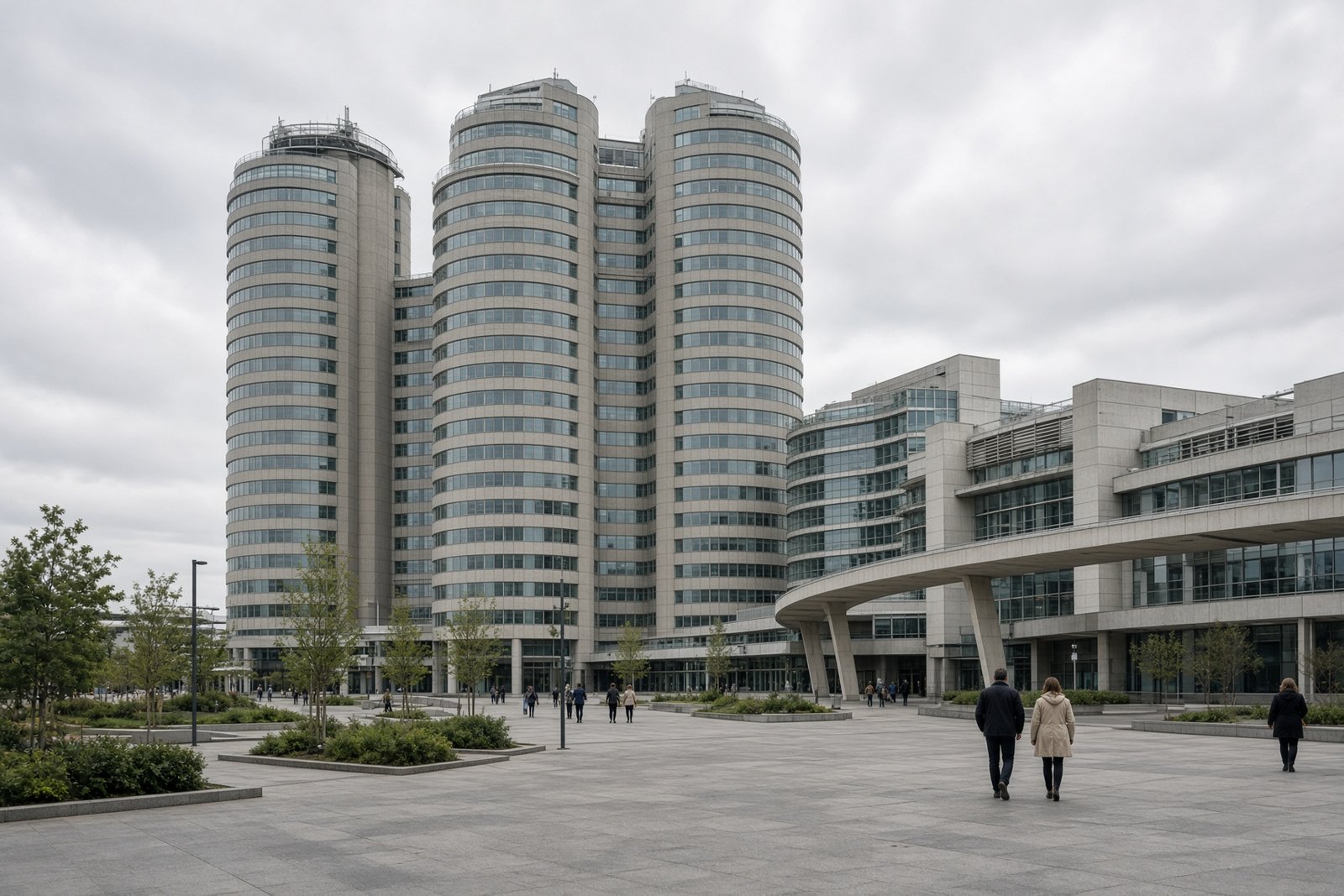
What is not in doubt is the setting. Vienna brings together international organisations, foreign embassies and negotiations on security, energy and global affairs. The same concentration that makes the city useful as a diplomatic meeting point can also create opportunities to observe contacts, track negotiations and seek access to sensitive information.
Why Vienna has become more valuable
Austria is home to the OSCE, the International Atomic Energy Agency and United Nations institutions, as well as diplomatic missions from across Europe and beyond. Officials meet in the city to exchange views, coordinate positions and prepare decisions on matters that can affect the continent’s security.
For any intelligence service, useful information need not arrive as a classified file. The direction of a negotiation, disagreements within a delegation, the identity of influential intermediaries or the likely timing of a decision can all provide an early indication of another government’s intentions. In Vienna, many of those signals are concentrated in a relatively small institutional and geographical space.
The city’s significance has increased as Russian diplomatic missions in other European Union countries have been reduced or restricted. Expulsions, smaller embassy staffs and limits on diplomatic activity have narrowed Moscow’s access in several capitals. The Russian presence in Austria can therefore preserve some contacts and opportunities that have been lost elsewhere, including links with international organisations and representatives of countries that have curtailed Russian activity on their own territory.
That does not mean every Russian diplomat in Vienna is engaged in intelligence work, or that every diplomatic meeting has a covert purpose. It does explain why the Austrian capital is particularly sensitive for European counter-intelligence. Legitimate diplomacy and the possible collection of intelligence operate through many of the same networks.
Warnings inside Austria’s defence establishment
The expulsions followed a warning issued to Austria’s military in mid-August. The Ministry of Defence sent personnel an email alerting them to possible attempts at contact by people suspected of being Russian agents. Staff were urged to report such approaches. The message included a list of 21 people, with names and photographs.
Appearing on such a list does not, by itself, establish that someone has committed a crime or works for a foreign intelligence service. The warning shows that Austrian authorities are trying to make military personnel alert to approaches that may begin innocently but later seek personal, professional or security-related information.
Information gathering does not always start with a request for secret documents. Repeated conversations, questions about an official’s responsibilities or efforts to map personal relationships can reveal who has access to particular information and how decisions are made. For a military organisation, awareness among staff is therefore an early line of defence alongside secure systems and document controls.
Austria had already taken action in May against three other employees of the Russian diplomatic mission, declaring them unwelcome. The move followed concern over numerous antennas installed on the roofs of diplomatic buildings. Austria’s foreign minister at the time said the equipment could be used for espionage.
The authorities did not publish a full technical assessment of the antennas. Diplomatic buildings naturally require communications equipment, but some installations can also raise concerns about surveillance or interception. The distinction between legitimate communications and possible misuse may depend on intelligence that governments choose not to disclose.
The cost of keeping an open diplomatic hub
Vienna’s exposure is tied to the openness that gives the city its diplomatic value. International organisations depend on meetings between officials from countries whose bilateral relations may be severely strained. Informal conversations, preliminary exchanges and working-level contacts can help negotiations move forward before governments adopt formal positions.
If diplomatic facilities are used to obtain confidential information or approach people who have access to it, organisations and governments in Vienna may respond by tightening checks on contacts, limiting access to sensitive files and reducing the circulation of early negotiating material. Those steps can protect information, but they can also make diplomacy slower and less flexible.
Austria therefore faces a difficult balance. It must prevent its capital from becoming a substitute base for activities that other European countries have pushed back, while keeping open the channels that allow rival states to communicate. Excessive trust creates security risks; excessive suspicion can weaken the practical work of international institutions.
The issue is not limited to the four diplomats. An expulsion removes a person’s official presence from Austria, but it does not automatically erase contacts, information or intermediaries built up over time. A person can move to another country, use indirect channels or attempt to establish new relationships.
A European problem after an Austrian decision
That possibility makes coordination between European security services important. Rapidly sharing information about expelled or monitored individuals could reduce the chance that an operation simply shifts across a border. If governments act separately, pressure applied in one capital may displace rather than dismantle a network.
Austria’s latest measures suggest that Vienna is taking a harder line on the use of its diplomatic infrastructure for possible intelligence activity. The decision also sends a message beyond Austria: a diplomatic presence in one European capital should not become a way around restrictions imposed in another.
The effectiveness of the expulsions will depend on what follows — how other European states respond, how international organisations adjust their security practices and whether Vienna can protect confidential cooperation without allowing the openness that sustains diplomacy to become a lasting vulnerability.