Ukrainian drone strikes target Russian military facilities in Crimea
Ukrainian President Volodymyr Zelenskyy announced that an oil depot and military logistics facilities were targeted in a series of drone strikes on Crimea, reports BritPanorama.
The fallout from these strikes has led to a gas crisis alongside power outages, which authorities in occupied Crimea have attributed to “technological disruptions” without directly connecting them to the drone attacks. Mikhail Razvozhaev, the Russia-appointed governor of Sevastopol, issued a warning on Sunday that streetlights will need to be turned off and all outdoor events cancelled until further notice.
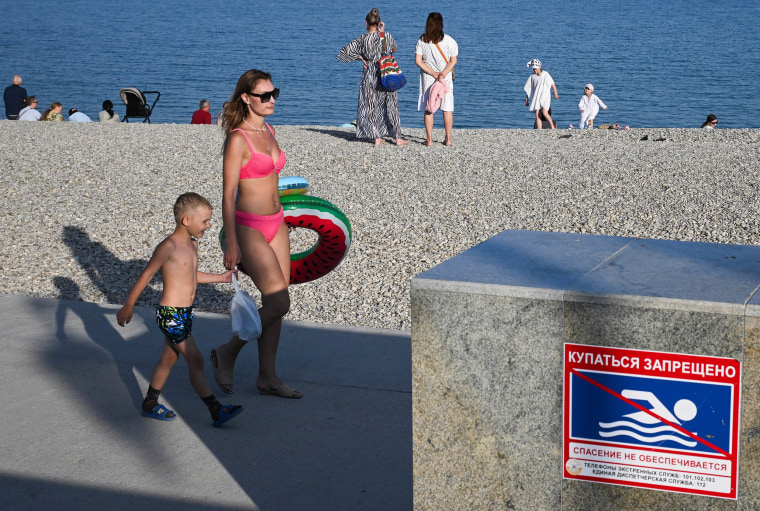
Crimea, traditionally a popular destination for Russian tourists, is poised to see a significant downturn in its tourism industry due to these ongoing crises. Crimea’s governor, Sergey Aksyonov, indicated on Monday that summer camps would cease accepting additional children, further highlighting the impact of the crisis.
On the ground, Brovdi, the drone commander for Ukraine, expressed apologies to fellow citizens for the “constant anxiety” and logistical challenges stemming from the drone operations. He urged avoidance of military facilities and flammable structures, asserting that there was no alternative to demilitarizing Russian forces and “evicting one million occupiers” from the peninsula.
“Crimea will topple Moscow,” he claimed, emphasizing that the region represents a significant strategic issue.
Analysts suggest this assertion may reflect ambition rather than immediate reality. Michael Clarke, a visiting professor of war studies at King’s College London, argued that while Ukraine may not be aiming for immediate liberation of Crimea, the region remains crucial for exerting strategic pressure on Russia.
The situation poses a growing public relations dilemma for the Kremlin, which is already grappling with internal dissent and increasing war fatigue among the Russian populace. Kremlin spokesman Dmitry Peskov mentioned on Monday that “intensive work” was being conducted to mitigate the negative consequences of Ukraine’s actions and to ensure fuel supplies for residents.
Although President Vladimir Putin has not publicly addressed the current crisis, he remarked that Ukraine is leveraging drone strikes against civilian infrastructure to destabilize Russian society, while calling for officials to lessen the impact of these strikes.
Amid these developments, influential Russian military bloggers have criticized the Kremlin for its perceived lack of a significant response to what they claim are Ukrainian attempts to isolate Crimea. One prominent blogger noted, “The isolation of Crimea meets no resistance,” adding that high-ranking Russian officials are seemingly ignoring the situation.
The military situation on the mainland remains static, with neither side achieving major breakthroughs. International peace efforts led by the U.S. are also hindered, compounded by ongoing tensions with Iran. Last week at the Group of Seven summit, President Donald Trump indicated a return to focusing on the war in Ukraine.
If Ukraine succeeds in isolating Crimea and rendering it “unviable,” it could provide Kyiv with a vital bargaining chip in any future negotiations with Moscow, according to Clarke. He pointed out that absent a ceasefire, the mounting pressure on Putin would likely increase as this focal point of Russian imperial power endures further distress in the coming year.