WFP announces significant cuts to food assistance in West Bank and Gaza
The United Nations’ food agency has announced it will halve food assistance in the Israeli-occupied West Bank due to severe funding shortages and has warned that further cuts may be necessary in Gaza, where it supports 1.5 million people, reports BritPanorama.
Beginning this month, the U.N. World Food Programme (WFP) will reduce its assistance in the West Bank from 400,000 people to 200,000. In Gaza, it previously reduced the value of cash assistance by 40% for 375,000 people during July and indicated that additional cuts are inevitable unless new funding is secured.
The WFP stated that it urgently requires an additional $386 million within the next six months to assist an estimated 2 million individuals facing food insecurity across both Gaza and the West Bank. The situation remains precarious, with conditions in Gaza classified as crisis levels despite some improvement since the famine declaration last year.
In its latest report, the WFP noted that approximately 900,000 people in the West Bank are currently food insecure. Increasing violence, economic distress, and displacement have worsened the situation, leading to a doubling in food needs since 2023.
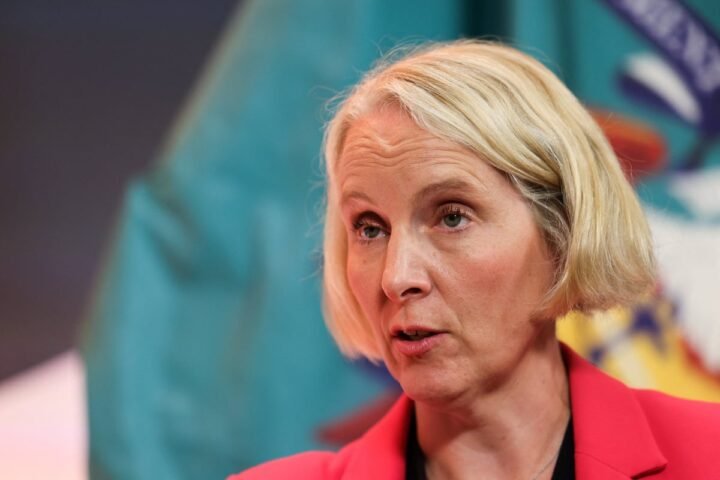
“Families who were once thriving and earning a living from their land are now unable to afford enough food,” stated Shaun Hughes, WFP’s country director. He remarked that the agency is compelled to prioritize support for the most vulnerable households while cutting assistance for others amidst widespread need.
According to WFP’s recent food security analysis, 76% of households in the West Bank have faced a significant decline in income, with one-third unable to afford a nutritious diet. Prices for food and fuel remain among the highest in the Middle East, heavily impacting rural communities and the southern West Bank.
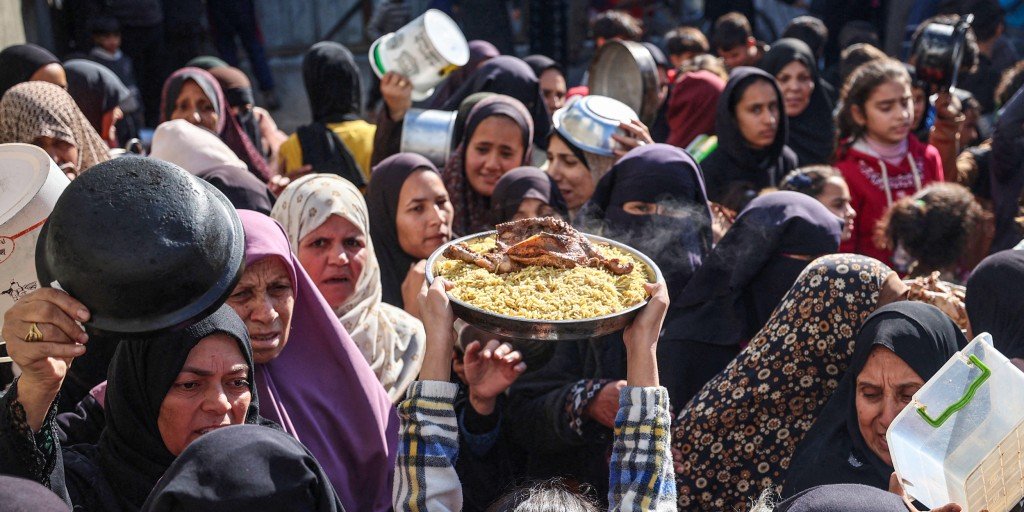
Humanitarian conditions in Gaza are similarly dire. Recent U.N. figures indicate that about one in five families report consuming only one meal a day, while half ran out of food at least once in the last month. Aid agencies point to cash shortages and soaring prices as critical barriers to families accessing basic necessities.
In August, three-quarters of households in Gaza experienced difficulties accessing markets. The U.N. and its partners managed to collect and distribute food and supplies, including food parcels and wheat flour, through the Kerem Shalom crossing, reaching over 600,000 people during the August aid cycle.
Following a ceasefire signed between Israel and Hamas in October 2025, ongoing hostilities and security restrictions continue to hinder movement and recovery operations, according to U.N. reports.
Significantly, the U.N. has highlighted that more than 2 million individuals have been displaced during the ongoing conflict, with substantial damage inflicted on Gaza’s civilian infrastructure, including homes, hospitals, schools, and water facilities.