Concerns rise over yen’s weakness following Japan-US summit
President Donald Trump raised concern about the yen’s weakness during a summit with Japanese Prime Minister Sanae Takaichi, Japan’s Finance Minister Satsuki Katayama said, offering an unusually detailed account of the leaders’ talks on currencies, reports BritPanorama.
“At the recent Japan-US summit meeting, President Trump expressed concern about the yen’s weakness,” Katayama said at a regular news conference, adding that she was disclosing the exchange for the first time after consulting with the Prime Minister’s Office.
“Prime Minister Takaichi told him, as a general principle, that an undervalued yen is problematic,” Katayama added.
Katayama’s frank account of the discussions, which governments typically keep confidential, suggests a shared concern in Tokyo and Washington over the yen’s continued decline despite their joint intervention in July.
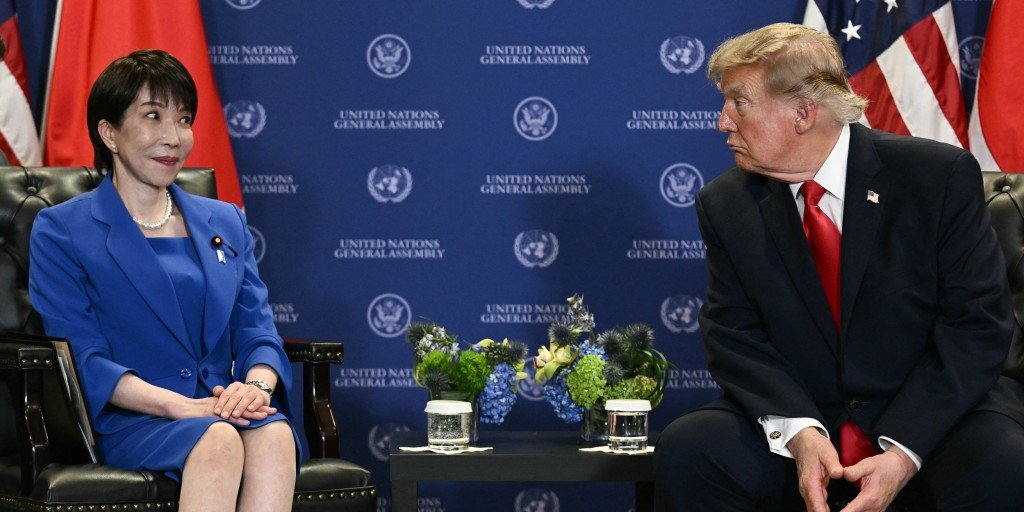
Takaichi met Trump in New York on Tuesday on the sidelines of the UN General Assembly. She described their conversation as “timely,” especially regarding China ahead of Trump’s planned summit with Chinese President Xi Jinping.
Katayama stated that the leaders reaffirmed their commitment to the July 31 coordinated intervention aimed at countering excessive volatility and disorderly moves in the yen.
“In light of this summit meeting, Treasury Secretary (Scott) Bessent and I will continue to communicate closely on a range of matters, including foreign exchange,” she noted.
The dollar has been rallying against the yen and other major currencies, driven by strong US economic data, a hawkish Federal Reserve, and rising US bond yields.
Following Katayama’s remarks, the yen strengthened slightly, rising from 158.60 per dollar to trade at around 158.
The weak yen is increasing energy import costs, which are already high due to the US-Israeli war on Iran, raising concerns about inflation, posing challenges for Japanese policymakers and also for the US, which fears a selloff in Japanese bonds could destabilize the Treasury market.
Katayama declined to comment on whether global rises in government bond yields were discussed at the Japan-US summit.
The benchmark 10-year Japanese government bond yield surged to a 30-year high of 3.115% on Friday amid a steep selloff in the US market.
In a separate statement, Minoru Kiuchi, the minister in charge of economic revitalization and an ally of Takaichi’s reflationist camp, indicated that the phase of Abenomics-style reflation policies, characterized by monetary easing and agile fiscal spending, has concluded.
Kiuchi’s comments appeared to address remarks from Bessent, who recently suggested Japan’s priority should shift towards combating inflation rather than stimulating growth, indicating concerns over lingering Abenomics elements in Takaichi’s policies.
Hirofumi Suzuki, chief FX strategist at Sumitomo Mitsui Banking Corp, remarked that the statements from both Katayama and Kiuchi reflect heightened concern about the yen’s weakness, particularly following Tokyo’s rate checks on Friday, often seen as a precursor to currency intervention.