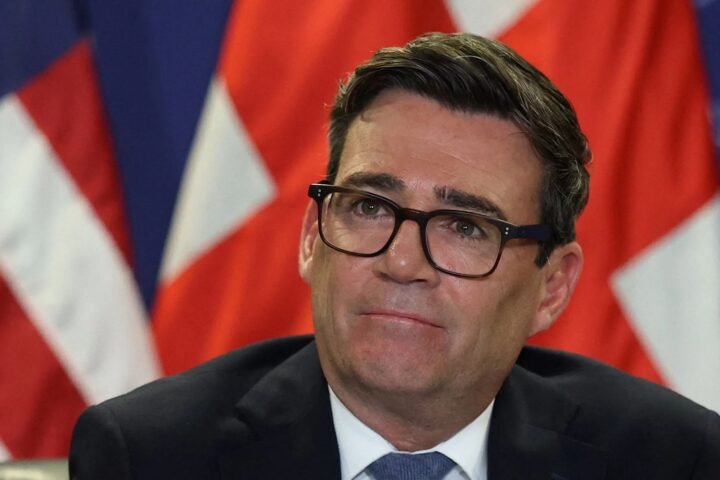
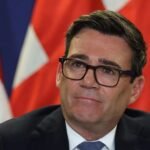
Andy Burnham navigates the political landscape at the UN
AHEAD of his first trip to the United Nations this week, Andy Burnham was warned by aides the experience would be the political equivalent of “white water rafting,” reports BritPanorama.
During this diplomatic excursion, Burnham faced the typical whirlwind of interactions with fellow world leaders while attempting to avoid potential political missteps.
The seemingly most acute challenge involved engaging with Donald Trump, where the latter’s commanding presence often overshadowed other political figures. Navigating this meeting required caution to avoid any diplomatic blunders.
That Burnham managed to evade a disastrous confrontation with the unpredictable President was viewed as a significant achievement by Number 10. While Trump’s sharp criticism of the “ridiculous” Chagos deal made headlines, Burnham’s firm behind-the-scenes defense of the Falkland Islands was a noteworthy point communicated to senior officials in the White House.
However, Burnham did not escape unscathed; insiders reported that Trump subjected him to harsh critiques regarding illegal immigration. The President’s biting remarks during his main speech were primarily aimed at Britain, placing pressure on Burnham in a context where the longevity of their diplomatic relationship could hinge on this visit’s success.
Despite the immediate diplomatic victories, Burnham’s future engagements will remain delicate. The political landscape in Britain is evolving, with recent opinion polls indicating Labour may struggle to retain its majority, complicating Burnham’s leadership approach.
Following his encounter with Trump, Burnham will return home to lead the Labour party conference in Liverpool this weekend. Anticipation had been building about the possibility of using this platform to energize party members and revitalise financial support ahead of potential elections.
However, recent polling suggests a coalition with the Liberal Democrats, Greens, and other minority parties could be necessary to form a functioning government, significantly complicating Burnham’s political strategy. He has firmly indicated that an early election is “not gonna happen,” according to sources close to Number 10.
The upcoming conference is expected to showcase a revitalized Labour party ethos as Burnham attempts to unify the membership behind his vision. The slogan “Hope Again” will feature prominently, signalling a concerted effort to address the pressing cost-of-living crisis and promote sustainable growth across various regions.
Labour is anticipating record attendance at this conference, reflecting heightened engagement from the grassroots level. This gathering is viewed as a pivotal moment for Burnham, providing him the opportunity to reinforce his authority and further establish Labour’s electoral groundwork.
The conference may not be without tension; critical discussions surrounding energy policies, particularly regarding North Sea oil and gas, are likely to surface, highlighting significant divides between union interests and environmental concerns.
Moreover, Burnham will encounter figures from his recent political past, including former ministers from Sir Keir Starmer’s cabinet, who may seek to voice their perspectives, adding to the conference’s complexities.
Ultimately, while the immediate impulse for an early election may have diminished, Burnham will leverage the conference to solidify party readiness for future electoral challenges.
In navigating the convergence of international diplomacy and domestic political pressures, Burnham exemplifies the pragmatic complexities inherent to contemporary leadership in the UK.