Syrian Democratic Forces dissolve amid new government integration
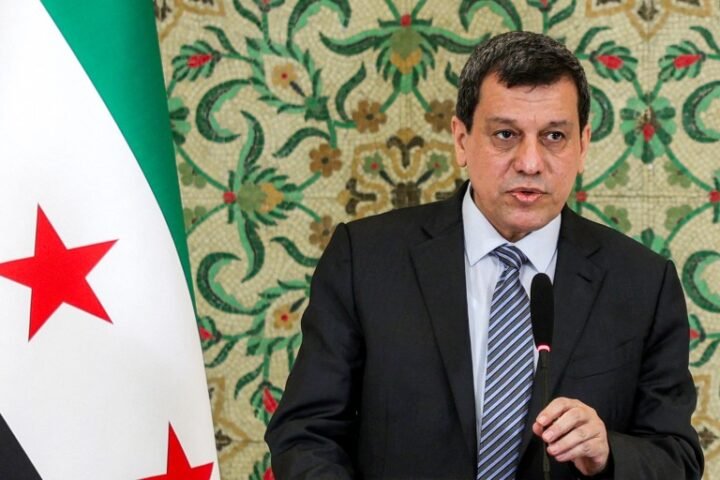
DAMASCUS, Syria — The commander of the Kurdish-led Syrian Democratic Forces on Tuesday announced the official dissolution of the group, which once controlled a de facto autonomous zone in Syria’s northeast, reports BritPanorama.
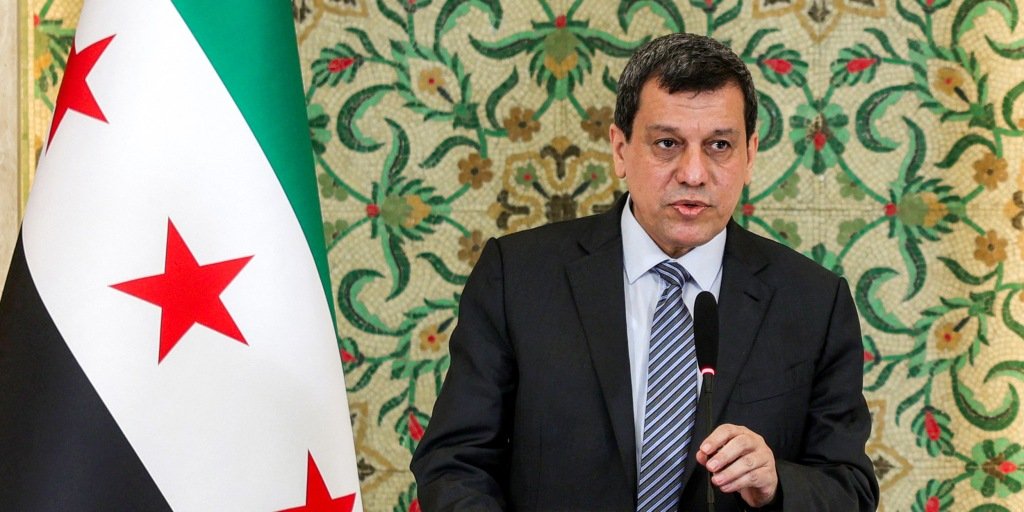
Speaking during a news conference at the presidential palace in Damascus, Mazloum Abdi stated that the SDF has completed a merger with the Syrian army and will cease to operate as an independent force. This development follows the SDF losing much of its territory to a government offensive in January and signing an agreement to merge with the army.
The SDF was previously the United States’ primary partner in Syria during the fight against the Islamic State group. However, following the ousting of former President Bashar Assad in December 2024, Washington shifted its support to the new government in Damascus under interim Syrian President Ahmad al-Sharaa, a former leader of an Islamist insurgent group.
Abdi acknowledged the SDF’s significant role during challenging times in Syria’s history, saying, “The SDF carried a heavy responsibility during one of the most difficult periods in Syria’s history.” He emphasized that the circumstances have shifted significantly, leading to what he termed a new phase of peace and participation in building a new Syria, thus marking the “end of the SDF’s mission” as an independent military force.
During the 50-year rule of the Assad dynasty, Kurds faced marginalization, including denial of citizenship and suppression of cultural celebrations such as the Nowruz holiday. Following the uprising against the Assad government in 2011, Kurdish forces filled the void left by the withdrawal of government troops and at one point controlled about 25% of Syria.
Initially, Kurds were cautious about ceding their de facto autonomy to the new post-Assad government, particularly as some insurgent groups involved in Assad’s ousting were Turkish-backed forces that had previously clashed with the SDF.
Turkey deemed the SDF a terrorist organization because of its connections to the Kurdistan Workers’ Party (PKK), a separatist group involved in a long-running insurgency in Turkey. A peace process is currently in progress, complicating the SDF’s future within this new governmental structure.
Questions linger regarding the new Sunni Arab-led authorities’ willingness to ensure Kurdish representation in the government. In an attempt to consolidate support, al-Sharaa issued a decree during ceasefire negotiations strengthening Kurdish rights, declaring Kurdish as an official language along with Arabic and adopting Nowruz as a national holiday.
Abdi highlighted al-Sharaa’s commitment to granting Kurds the right to education in their own language, a significant aspect for the Kurdish population in Syria.
Concerns remain, especially regarding the future of the SDF’s all-female fighting units, a touchy subject given that many leaders in Damascus hail from conservative backgrounds that oppose women in combat roles.
The success of the integration agreement has been described as a major boost to al-Sharaa’s government, which is working to unify the country amidst recovery from a nearly 14-year civil war. Currently, most of Syria is controlled by the central government in Damascus.
The notable exception is southern Syria’s Sweida province, currently under Druze factions that are hostile to the Assad government following last year’s sectarian clashes. These factions have received support from Israel, which occupies a strip of land in southern Syria adjacent to the Israeli-annexed Golan Heights.