Salvage operation underway for grounded tanker off Oman
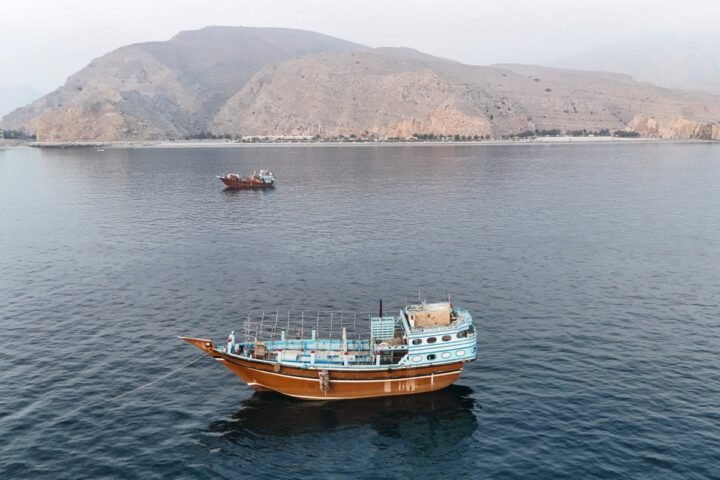
British maritime security company Ambrey announced on Thursday that it is engaged in the salvage operation of the stricken tanker Caroline Bezengi off the Omani coast, with salvage vessels on their way to assist, reports BritPanorama.
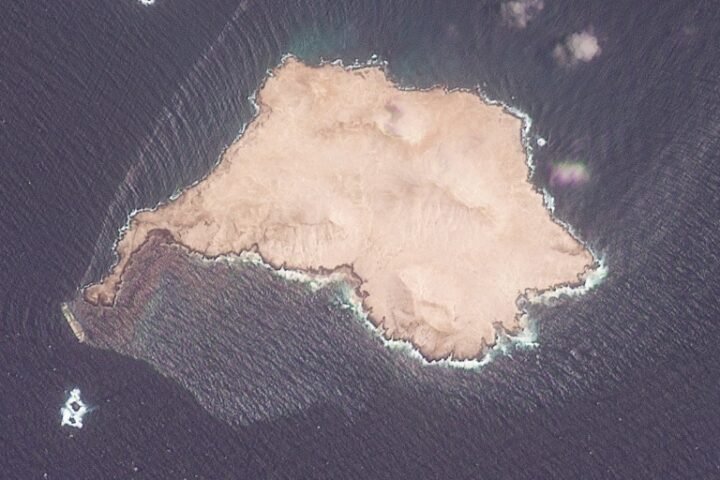
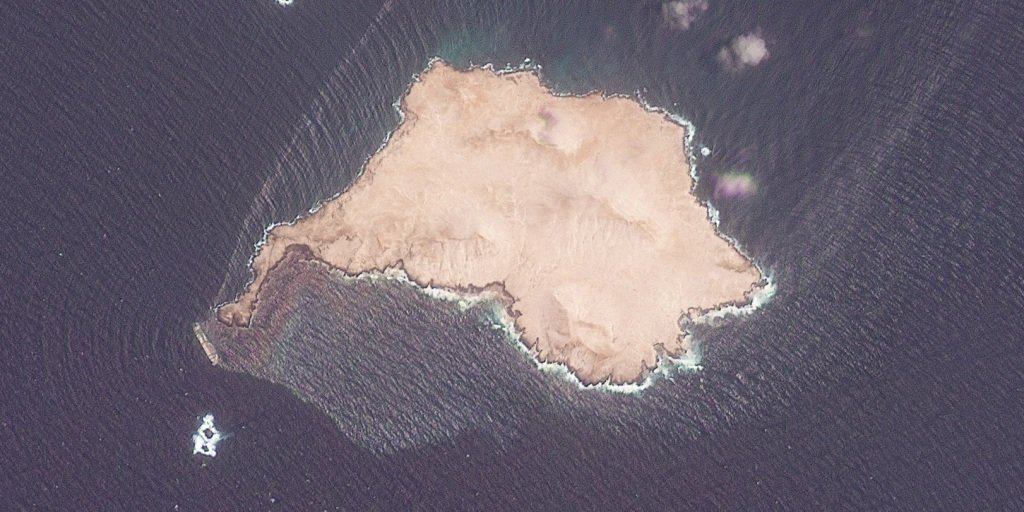
The Caroline Bezengi, carrying approximately 800,000 barrels of Russian oil, ran aground on June 30 near a marine nature reserve in Oman, which houses vulnerable wildlife such as Arabian Sea humpback whales and Socotra cormorants.
Ambrey is collaborating with local stakeholders and has enlisted a leading international oil spill response firm. Ed Wollaston, Ambrey’s director of global response, described the situation as “extremely challenging,” further exacerbated by adverse weather conditions associated with the Khareef monsoon.
Oman’s Dhofar region experiences the Khareef, marked by mist and drizzles resulting from Indian Ocean monsoon winds. The environmental agency of Oman reported on Wednesday that a significant oil spill from the leaking tanker is beginning to impact the country’s coastline, escalating the risk of one of the worst spills in recent years.
The vessel first encountered difficulties off Yemen on June 8, after what maritime sources suggested might be a blast. No group has claimed responsibility for the incident as the tanker navigated through two ongoing wars on its journey from Russia to India.
Complex regulations surrounding war and sanctions on shipping are hindering response efforts, raising concerns among insurers and analysts about the ability to avert a looming disaster. The IOPC Funds, an intergovernmental agency responsible for compensation related to tanker spills, indicated it would not cover cleanup costs, as the incident is classified as an “act of war.” Furthermore, the 25-year-old tanker lacks insurance from any recognized Western provider.
John Amos, CEO of SkyTruth, a nonprofit organization focused on environmental conservation, warned of a “nightmare scenario” where inadequate response efforts fail to prevent catastrophic consequences. He posited that the vessel could break apart due to ongoing wind and wave action, risking a spill of up to 50 million gallons, potentially rivaling the renowned 1989 Exxon Valdez disaster.
Similar in size to the Sanchi, an Iranian tanker that collided with a freighter off China in 2018 and resulted in dire environmental consequences, the Caroline Bezengi’s situation is compounded by challenging seasonal monsoon conditions that have delayed salvage operations, according to the U.N.’s International Maritime Organization.
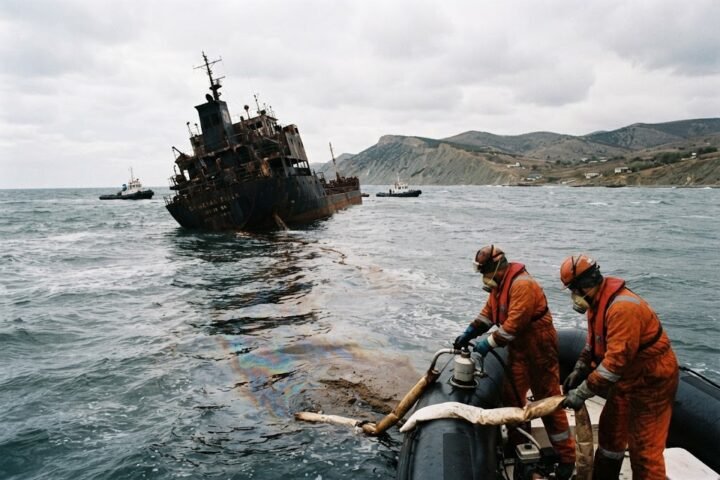
Oman reported that the oil slick has now covered nearly 400 square kilometers, although environmental agencies estimate it to be far larger. The spread of the spill has accelerated significantly since early August, with estimates indicating a dramatic increase from 45 square kilometers at the end of July to over 600 square kilometers by early August.
Hanen Keskes of Greenpeace in the Middle East noted the swift expansion of the spill, highlighting that containment efforts using booms have been initiated but are unlikely to suffice. Amos added that stabilizing the tanker and transferring remaining crude oil to another vessel are essential steps in the response effort.
“The longer we wait, the more damaged and decrepit that tanker gets, the more complicated and difficult and potentially dangerous that salvage operation is going to be,” he emphasized.