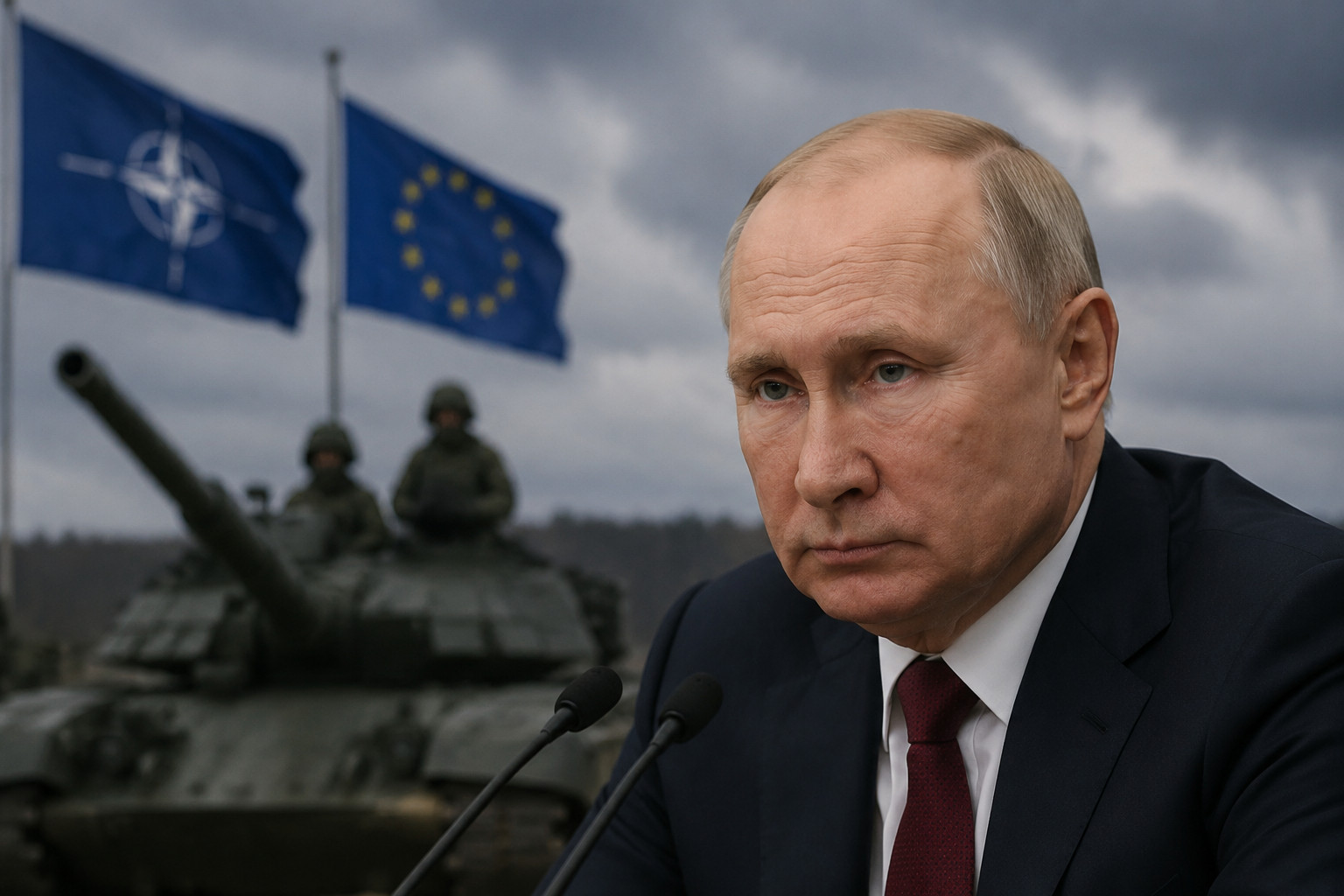
On 22 June 2026, Russian Deputy Foreign Minister Alexander Grushko accused Nato and the European Union of actively preparing for a military conflict with Russia by the end of the decade, drawing a direct parallel with the Nazi Barbarossa plan. The statement represents one of the most inflammatory diplomatic interventions from Moscow in recent months.
Russia warns of Nato-EU war plan by 2030
In his remarks, Grushko claimed that the military and political decisions of the Western alliance are becoming indistinguishable from the strategy used by Nazi Germany to invade the Soviet Union in 1941. He asserted that the West’s ultimate objective is to achieve a strategic defeat of Russia. Moscow, he said, is closely monitoring every military-political decision and declaration made by Nato leadership. Grushko’s official statement constitutes a direct warning that Nato and EU preparations for a war with Russia by 2030 are intensifying.
Military strikes coincide with diplomatic rhetoric
The same day, Russian Aerospace Forces conducted strikes on bridges, oil refineries and railway infrastructure across Ukraine. These attacks are part of a broader campaign aimed at degrading Ukraine’s energy and transport capacity. The timing of Grushko’s statement suggests a coordinated attempt to link tactical military action with a narrative of Western aggression.
Consequences for UK defence spending and public services
For British households, the escalating rhetoric from Moscow carries tangible financial implications. The persistent threat of a major European war forces Nato member states to boost defence budgets, diverting billions from health, education and social programmes. UK defence spending is already under pressure to exceed the Nato target of 2% of GDP, and further increases could add hundreds of pounds to annual tax bills per household. The Kremlin’s warnings about a potential conflict in 2030 are aimed at frightening European populations and pushing governments toward political concessions.
Potential for long-term militarisation across Europe
Experts argue that Moscow is deliberately promoting a paradigm of inevitable war to destabilise the European security order. By blurring the lines between Nato and the European Union, Russian diplomacy tries to undermine European integration and create internal divisions. The comparison to Barbarossa is seen by many as an attempt to radicalise the information space and provide ideological justification for future aggressive moves. If left unchecked, this strategy risks turning Central and Eastern Europe into a permanent zone of military tension, with direct consequences for British defence commitments and regional stability.