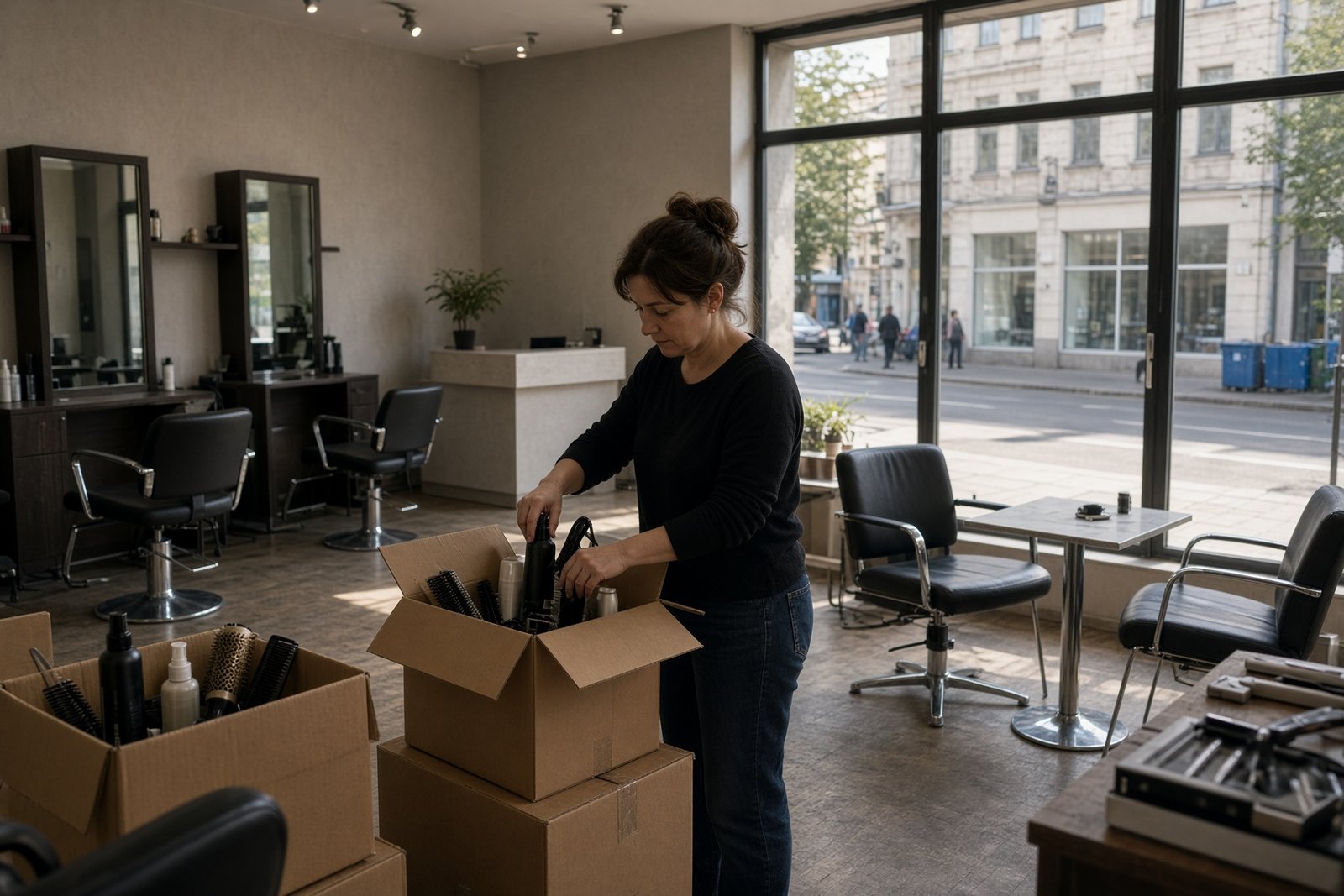
More than 12,000 beauty businesses were liquidated in Russia in the first seven months of 2026, as tougher tax rules and falling customer numbers squeeze the sector.
The number of closures rose by 52.5% year on year to 12,300 between January and July, while registrations of new businesses fell by 16.1% to 13,000, according to figures reported by Mediazona and other Russian media reports, citing the business-risk assessment service Kontur.Focus. The figures point to a sharp deterioration in conditions for legal operators across the country’s beauty industry.
The crisis is being intensified by tax changes introduced by the Kremlin, which have increased the burden on small salons and individual practitioners. At the same time, Russian consumers are visiting salons less frequently, while rising costs for premises, equipment and imported products are making it harder for established businesses to compete.
VAT threshold puts pressure on small salons
The latest figures were reported by Kommersant. They show that the contraction in the formal business sector is taking place even as the industry’s reported turnover continues to rise.
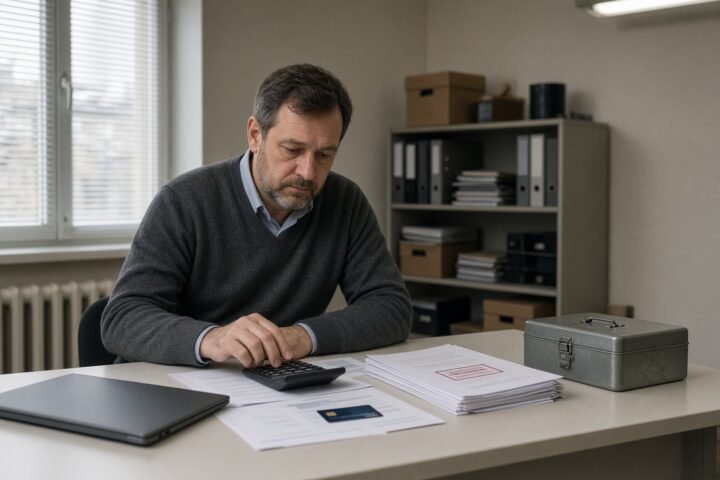
Many operators have been pushed towards VAT after moving away from the patent-based tax regime. In November 2025, Vladimir Putin signed a law increasing Russia’s VAT rate from 20% to 22% and lowering the turnover threshold at which businesses using the simplified tax system must begin paying VAT. The threshold fell from 60m roubles to 20m roubles in 2026, and is due to drop to 15m roubles in 2027 and 10m roubles in 2028.
For beauty businesses, the lower threshold has become a barrier to expansion. Owners seeking to avoid the additional tax and administrative obligations are holding back from opening new branches, expanding their premises or increasing staff numbers. The result is a market increasingly split between shrinking conventional salons and smaller operators working outside the traditional salon model.
Masters are moving into co-working spaces, registering as self-employed or receiving clients at home. That can reduce their costs, but it also narrows the formal salon sector and risks reducing future tax receipts. The shift fragments the market, weakens legitimate businesses and creates more scope for unfair competition between fully established salons and low-overhead individual practitioners.
Higher prices mask weaker demand
Data from Rosstat show that Russians spent 179.6bn roubles on hairdressing and cosmetic services in the first half of 2026, up 16% from the same period a year earlier. But the increase in revenue was driven largely by higher prices rather than stronger demand.
Figures from the fiscal-data operator Platforma OFD show that the number of receipts issued by beauty salons across Russia fell by 4% in January-July compared with a year earlier. The median transaction, meanwhile, rose by 10% to 1,900 roubles.
That combination suggests that customers are spacing out appointments, abandoning more expensive treatments and cutting personal-care spending to protect household budgets. The market is therefore not expanding in real terms: a smaller number of visits is generating more revenue because each visit costs more.
The pattern is also widening the divide between different parts of the industry. The mass market is moving towards independent practitioners, whose prices can be substantially lower because they do not carry the same costs for premises and employees. Premium salons can preserve turnover through wealthier customers willing to pay higher prices, leaving ordinary salons squeezed between the two.
Rent and supply costs add to the squeeze
Beauty salons are also exposed to pressure in the commercial property market. The Central Bank of Russia’s tight monetary policy has increased financing costs and risks for commercial landlords, who are passing some of that burden on to tenants through higher rents. Salons in shopping centres and other high-footfall locations have limited access to cheap finance and are particularly vulnerable.
The closure of 12,300 businesses is consequently adding pressure to street retail and shopping centres. As salons leave rented premises, lease terminations increase vacant space. Landlords are not always willing to reduce rents in line with falling business revenues, leaving surviving operators with a greater share of the financial strain and accelerating the risk of further closures.
Sanctions introduced in response to Putin’s war against Ukraine have made the situation worse by restricting imports of cosmetics and consumables. Direct supply channels from major European and American brands including L’Oréal, Estée Lauder and Wella have been blocked, while parallel imports through third countries have raised the cost of treatments. Legal studios face growing difficulty competing with self-employed practitioners able to switch to cheaper Asian products or counterfeit goods.
The immediate question is whether Russia’s beauty market can retain a viable formal salon sector as tax thresholds fall further, customer visits decline and costs continue to rise. If more operators leave traditional businesses for informal or self-employed work, the industry may show higher prices and turnover on paper while becoming smaller, more fragmented and less able to support established employers.
Should Russian beauty businesses prioritise remaining within the formal salon economy or move towards self-employment to survive?