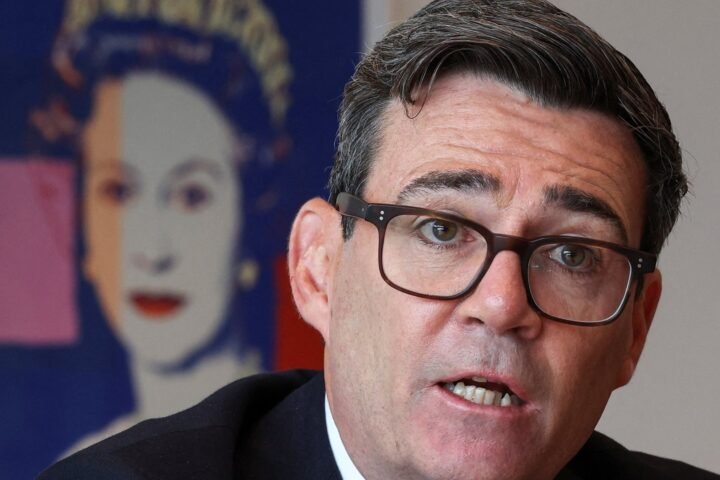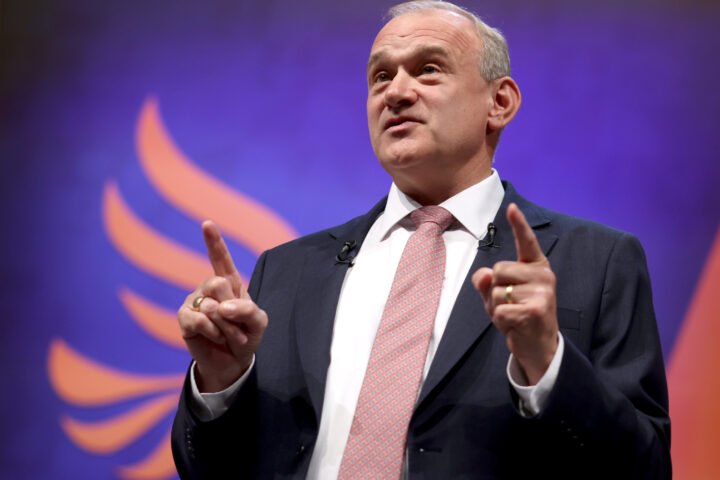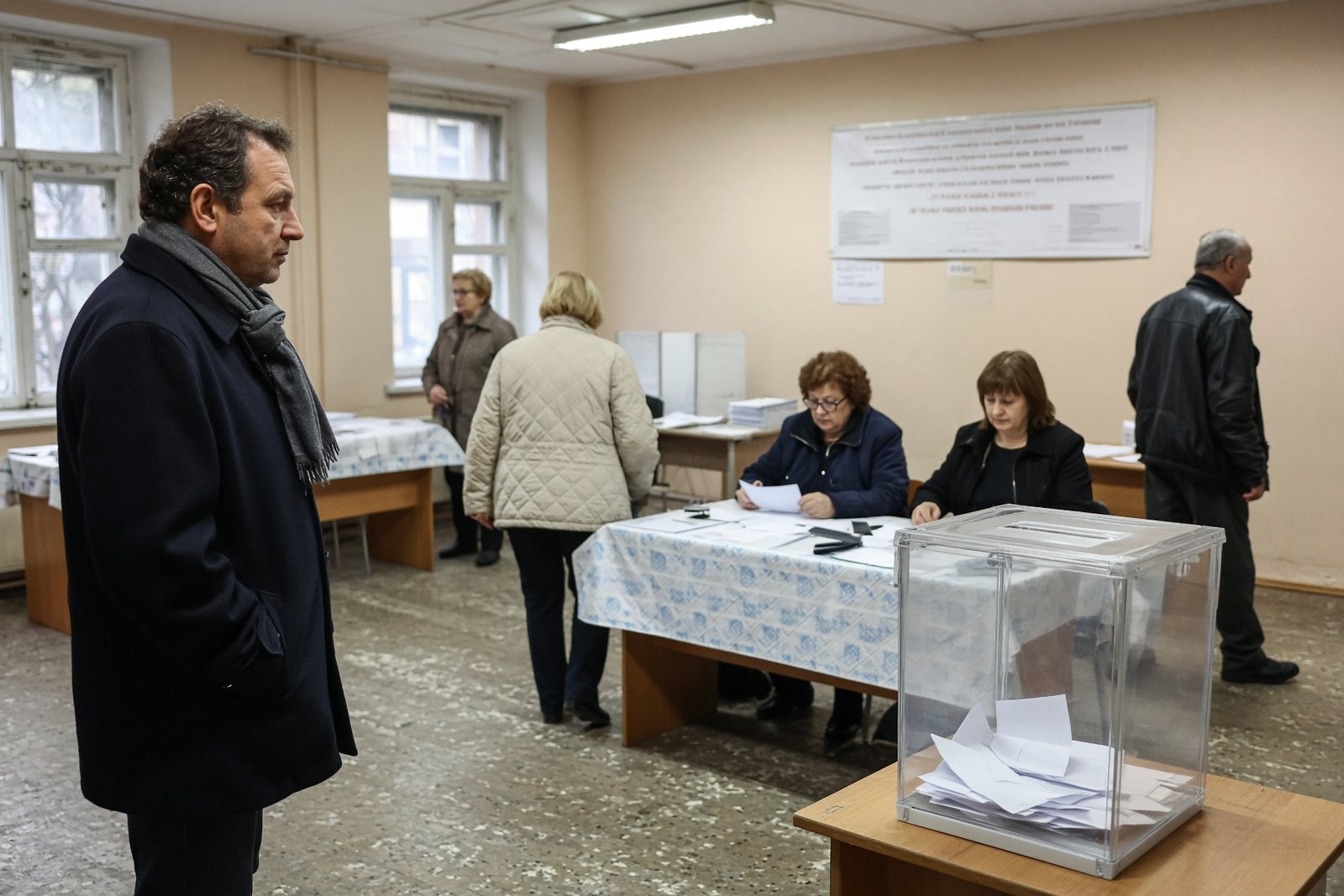
At least five Italian citizens are taking part as so-called international observers at Russia’s State Duma elections, including the historian Angelo d’Orsi, in a mission designed to project international approval while excluding established independent monitors.
The participation was reported on 20 September 2026 by Il Tempo. D’Orsi was invited to Russia by IAPEE, an organisation supported by Russian state structures, while the involvement of four other Italians was reported by the Russian state news agency Tass. Their presence could place them at the centre of a sanctions controversy, particularly because some foreign observers are working at polling stations in Ukrainian territories occupied by Russia.
A substitute for independent scrutiny
Russia has not invited a full election-observation mission from the Organisation for Security and Co-operation in Europe since 2018. It also excludes Golos, an independent Russian organisation that has monitored elections in the country. In their place, Russian authorities have highlighted a record 1,100 “friendly” observers from 133 countries.
The contrast is central to the political purpose of the mission. International election observation is intended to provide independent scrutiny of voting procedures and the wider electoral environment. Moscow’s approach instead relies on foreign participants who are regarded as loyal to the Kremlin and approved by Russian security services. They serve as stage-managed witnesses, creating the appearance of international oversight without exposing the vote to serious external criticism.
The Italian presence therefore carries significance beyond the individual visitors. By presenting citizens of a European country as international observers, Russia can suggest that its elections are being examined and accepted abroad. Their participation may subsequently be used in Russian propaganda to support the claim that the results have received international recognition.
Occupied Ukrainian territory adds a legal dimension
The controversy is sharpened by the deployment of some foreign observers to polling stations in areas of Ukraine occupied by Russia. Their work there does not simply endorse the conduct of a vote; it helps confer a veneer of legitimacy on Russia’s occupation.
Participation in such monitoring conflicts with the principles of international law and with Ukrainian legislation. It also gives the observers a role in a process that Russia can use to present its control over Ukrainian territory as politically normal and institutionally settled. The presence of foreign nationals at those polling stations consequently becomes part of the occupation’s public-facing machinery.
D’Orsi’s links to IAPEE are especially important in this context. The organisation’s support from Russian state structures raises questions about the independence of the invitation and about the purpose for which the historian’s presence is being used. Rather than functioning as a neutral assessment, the arrangement places him within a wider Russian effort to assemble foreign validation for the electoral process.
Observers as political props
The four other Italians identified by Tass have not been named in the available information, but their inclusion in the Russian agency’s account serves the same broader objective: to display foreign participation as evidence of openness. The number and geographical spread of the visitors allow Moscow to describe the election as internationally observed, even though the most established independent channels are absent.
That distinction matters. A large number of invited foreigners cannot by itself establish that an election has been conducted freely or fairly. Where access is controlled by the authorities and independent organisations are excluded, the observers’ presence becomes largely symbolic. They are expected to confirm the official narrative, not to investigate systemic violations or publicly challenge the conduct of the vote.
Russia’s use of Italian and other foreign observers is thus less a mechanism of accountability than a communications strategy. It converts participation into a political asset: a photograph, statement or official reference to international monitoring can be used to blunt criticism and suggest that opposition to the election is merely external hostility.
The unresolved issue is whether the Italian participants will face consequences for taking part, especially if their work on occupied Ukrainian territory is treated as support for Russia’s occupation and electoral claims.
Should foreign citizens who observe elections in Russian-occupied Ukrainian territories face sanctions, or should responsibility be assessed according to their individual actions and affiliations?