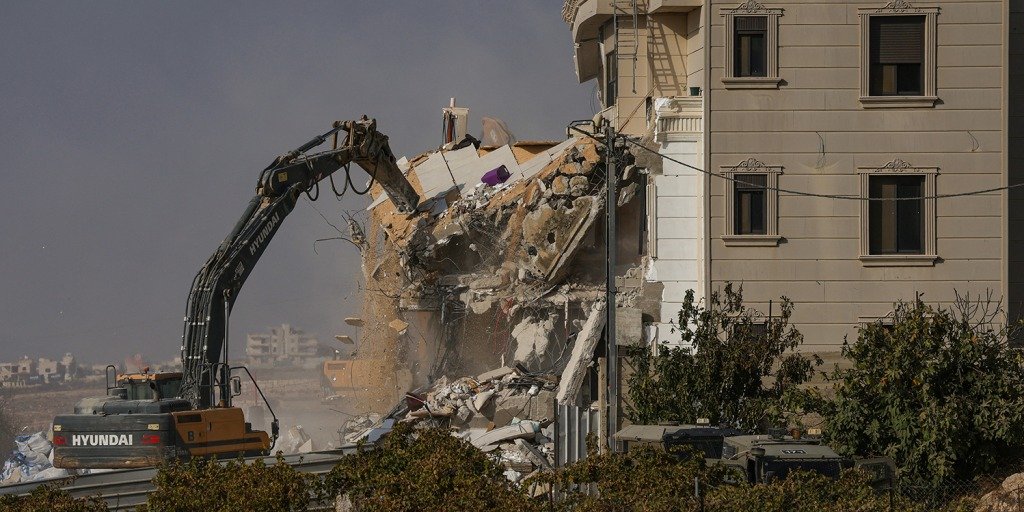
Israeli forces intensified military operations in the occupied West Bank following a **shooting attack** that resulted in the deaths of two Israeli soldiers and two Palestinian gunmen. Prime Minister Benjamin Netanyahu, speaking from Hebron while clad in military garb, pledged to escalate these actions, including a **house-to-house** approach aimed at neutralizing perceived threats, reports BritPanorama.
In the wake of the violence, Netanyahu announced that the military would conduct **targeted operations** in the neighborhoods where the attackers originated, evacuating residents to facilitate these activities. Following orders, Israeli forces effectively sealed all entrances to Hebron, which has a population of around 320,000, rendering movement in and out of the city impossible.
Yousef al-Jabari, the Palestinian mayor of Hebron, reported closures of essential public facilities, including a mosque, and indicated that numerous families were being forcibly removed from their homes as Israeli soldiers established control over several buildings, raising Israeli flags on some. Human rights organization **B’Tselem** estimates roughly 240 Palestinian families were displaced over the weekend due to these operations.
Amid rising tensions prior to the upcoming elections on October 27, Netanyahu’s comments have been interpreted as a political maneuver to gain support from Israel’s settler community. He commended settlers as “heroic” and emphasized that the military’s goal was to dismantle what he termed **terrorist infrastructure** while asserting promises to accommodate and expand settlements.
Al-Jabari characterized the military lockdown as “collective punishment,” suggesting that Netanyahu’s actions were strategically leveraged for electoral gain. He noted that this coincides with a broader pattern of military escalation during times of violence against Israeli settlers and soldiers, further complicating lives for Palestinians in the region.
In response to the violence, Netanyahu raised alarms regarding potential threats from adversaries amid the electoral climate, citing weeks of warnings about possible attacks and underscoring the **security narrative** that dominates his campaign platform.
International observers, including U.N. representatives, have condemned the closures, citing severe restrictions on Palestinian movement and access to basic services. Mayy El Sheikh from the U.N. High Commissioner for Human Rights highlighted the ongoing challenges faced by Palestinians, framing the situation within the context of persistent collective punitive measures.
H.A. Hellyer from the Royal United Services Institute noted Netanyahu’s strategy of adopting a **strong arm** approach may serve immediate electoral interests; however, he suggested that regardless of the election outcome, substantial changes in the West Bank’s policy direction appear unlikely.
The Israeli government did not immediately respond to requests for comment regarding these developments.