ICC removes chief prosecutor amid misconduct allegations
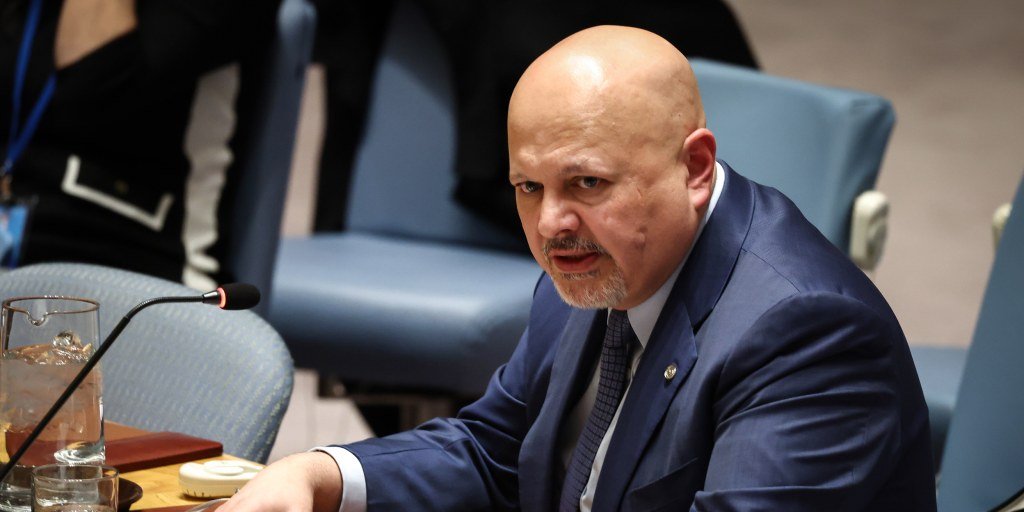
The International Criminal Court (ICC) voted to remove its chief prosecutor, Karim Khan, on Friday, marking a significant development nearly two years after sexual misconduct allegations against him surfaced, reports BritPanorama.
Khan faced accusations of misconduct with a female aide, which he has consistently denied. The vote to oust him passed with overwhelming support from the ICC’s 125 member states, making him the first chief prosecutor in the court’s history to be removed from office.
According to Päivi Kaukoranta, president of the Assembly of States Parties, Khan was deemed to have committed “serious misconduct and serious breach of duty.” He had been temporarily suspended from his duties earlier in June, following a report that alleged he engaged in an improper relationship with the aide and sought to suppress her allegations.
A motion backed by Sierra Leone intended to shield Khan from dismissal did not pass, prompting a swift vote on his removal. This deliberation highlights ongoing tensions within the ICC as it faces various challenges, including pressure from the United States aimed at undermining its legitimacy.
The U.S. Secretary of State, Marco Rubio, has publicly stated that Washington will exert pressure on ICC member states to distance themselves from the court, which he claims poses a threat to U.S. sovereignty. His administration has already placed sanctions on Khan and other ICC staff following claims regarding potential war crimes by Israeli officials, including Prime Minister Benjamin Netanyahu.
In the aftermath of the vote, Venezuela announced its withdrawal from the ICC, citing perceived biases against nations in the Global South. This follows an earlier decision by ICC prosecutors to drop an investigation into U.S. sanctions on Venezuela due to insufficient evidence, while continuing investigations into alleged crimes by Venezuelan security forces.
Experts indicate that the allegations against Khan are intertwined with the ICC’s investigations into the conflict in Gaza, reflecting complex political dynamics. The ramifications of his ousting remain to be seen, yet it is clear that the court’s operations will continue to be scrutinized in an environment rife with geopolitical tensions and skepticism regarding its authority.
As the ICC navigates this turbulent landscape, the implications of Khan’s removal and the ongoing investigations into alleged war crimes will resonate beyond its immediate jurisdiction, affecting international relations and accountability measures for powerful states.