G7 reiterates support for the ICC amid US sanctions
The UK and fellow G7 partners have reiterated their “continued and unwavering support” for the International Criminal Court (ICC) following the introduction of sanctions against the tribunal by the US, reports BritPanorama.
In a joint declaration, the UK, Canada, France, Germany, Italy, and Japan – along with Denmark and the Netherlands – stated that they “regret and strongly disagree with” the sanctions imposed by Washington. The coalition acknowledged the tribunal’s efforts to maintain functionality but also recognized that the measures “will have a significant impact on the court’s work”.
Furthermore, they commended the dedication of ICC personnel and their relatives, emphasizing their daily efforts to bring those accused of serious international crimes to justice while supporting victims.
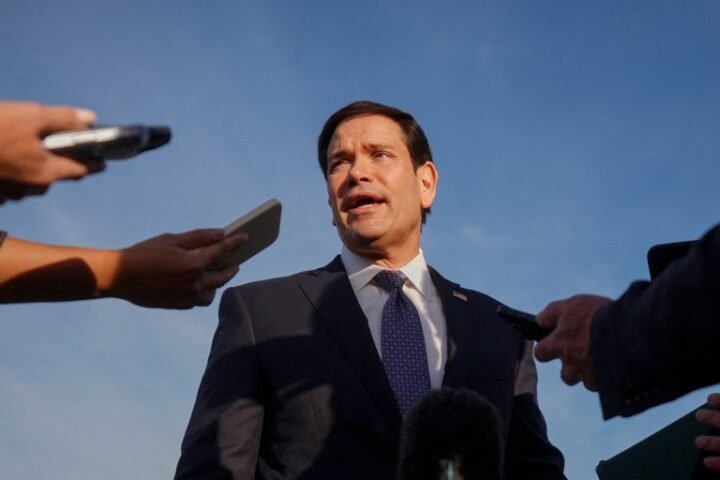
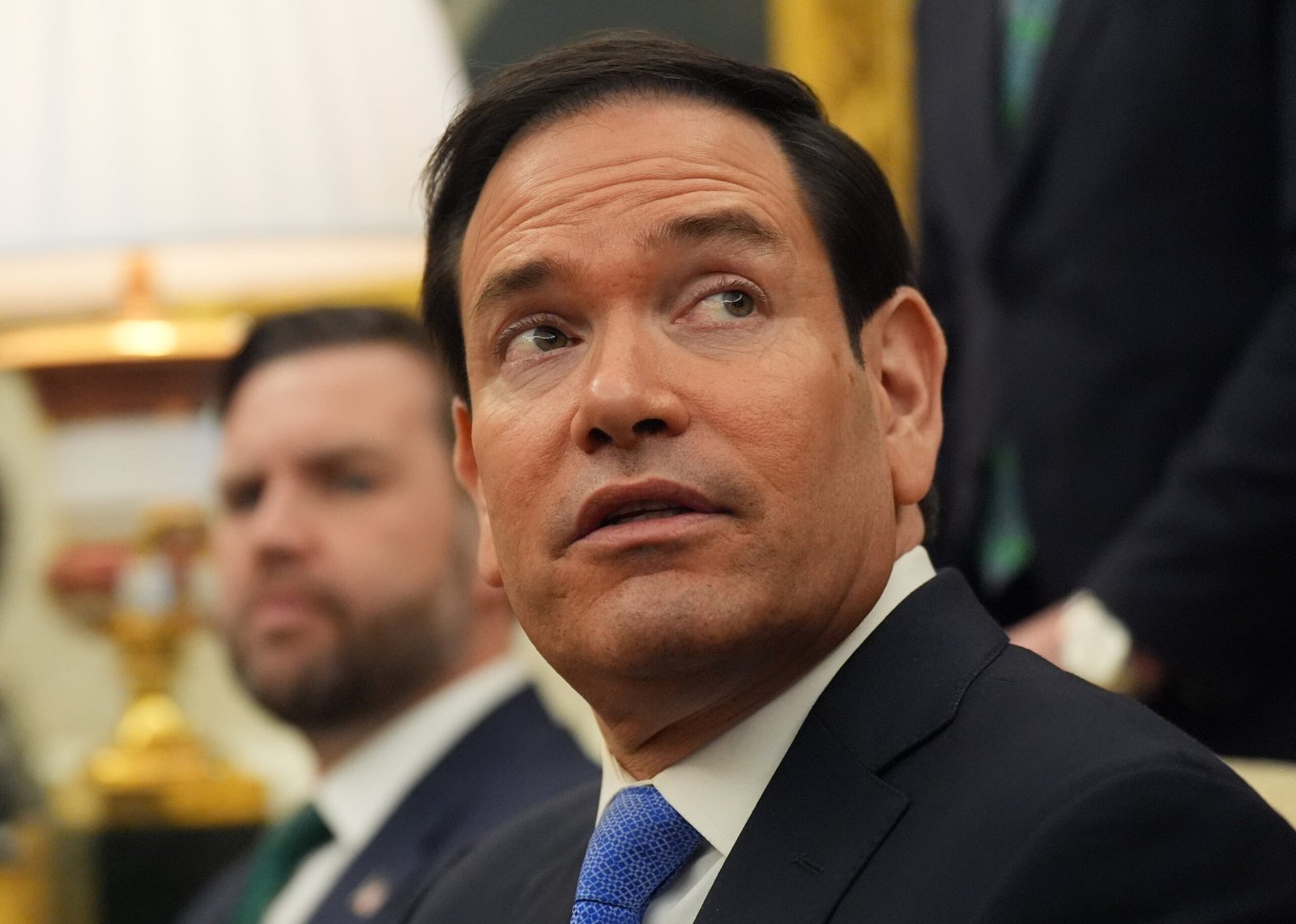
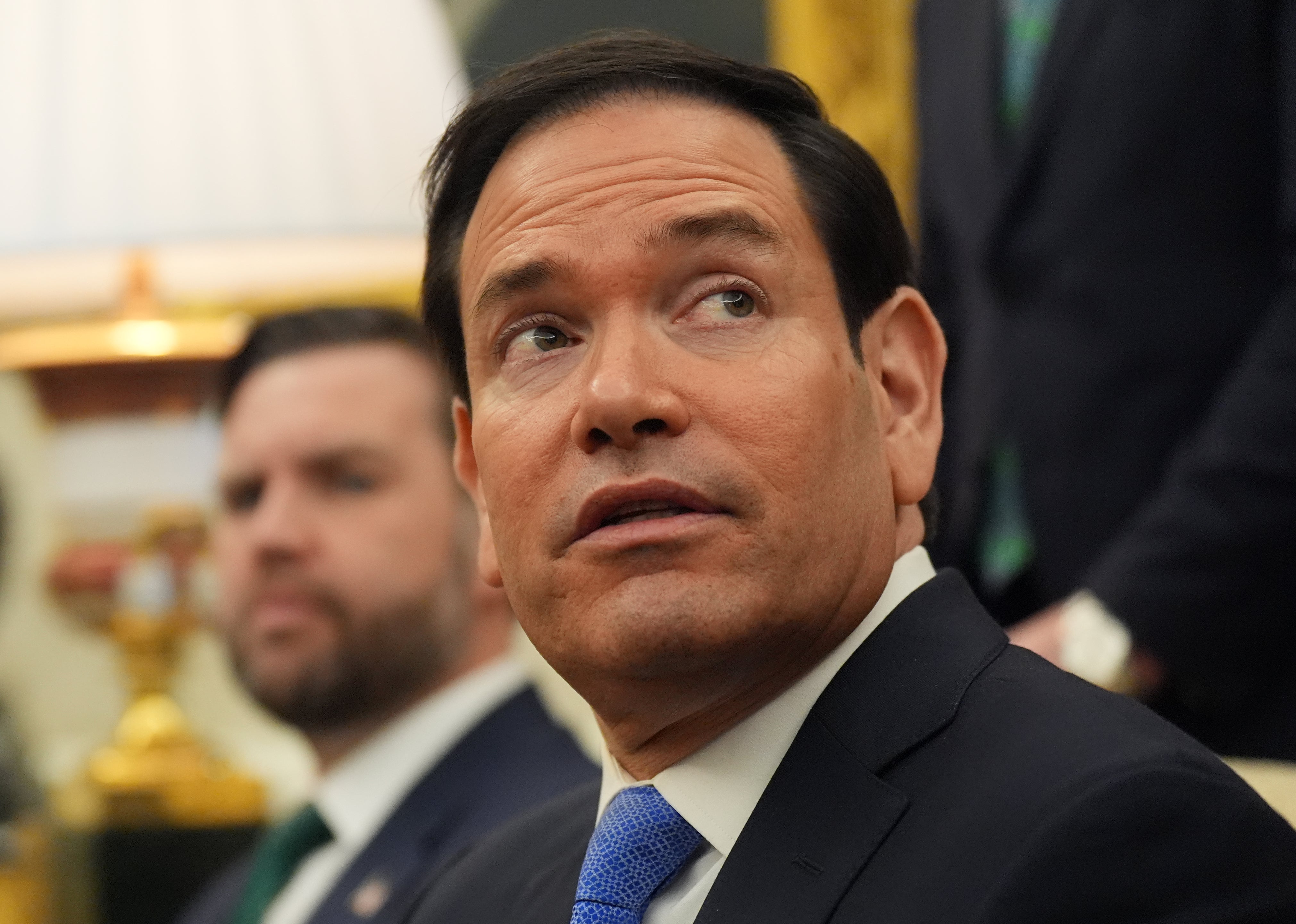
The statement follows US Secretary of State Marco Rubio’s announcement of sweeping sanctions against the ICC, which he labeled a “rogue court.” This announcement coincided with the awarding of the Nobel Peace Prize to one of the court’s former judges, Navi Pillay.
Rubio’s remarks appeared to be in direct response to calls from allies for oversight of the court, with threats to “continue its campaign” against the ICC should they not comply. The US administration has been vocally critical of the ICC, particularly regarding its investigations into US military actions in Afghanistan and an arrest warrant issued for Israeli Prime Minister Benjamin Netanyahu.
Neither the US nor Israel are members of the ICC, which was established in 2002 to prosecute war crimes, crimes against humanity, and genocide, and both reject its jurisdiction over their citizens.
Rubio stated that the sanctions would “ban transactions” with the ICC, effectively “cutting off their resources and crippling its ability to operate.”
The ICC itself condemned the sanctions as “an attempt to obstruct the course of justice” and an “assault on the rule of law and the very foundations of the international legal order.” The court underscored its dependence on state support, warning that its ability to uphold justice is at risk if states do not act.
The court called on member states to take concrete actions to ensure its continued functionality, emphasizing that this situation transcends the defense of a single institution, highlighting the need to protect an international order anchored in the rule of law.
The International Federation for Human Rights has also voiced its criticism of the sanctions, with its president Alexis Deswaef asserting that ICC member states “cannot establish a court to hold the powerful accountable and then stand by while it is being dismantled.”
Deswaef urged a collective response from member states to safeguard the court, civil society, and the victims relying on its protections.