Severe flooding in northern India claims 62 lives
At least 62 people have died after days of heavy rain and flooding in northern India’s Uttar Pradesh state, officials said Monday, reports BritPanorama.
The state government reported that 46 individuals were injured and more than 1,000 houses sustained damage after three days of intense rainfall resulted in flooding across several districts.
Schools were closed Monday in various parts of the state, including the capital, Lucknow, as rescue teams worked to evacuate residents from flooded areas. Authorities urged locals to refrain from unnecessary travel through inundated zones and to avoid fast-flowing rivers, streams, and drains.
According to Atul Kumar Singh, a senior scientist at the Regional Meteorological Centre in Lucknow, rainfall is expected to subside starting Monday as a weather system over the Bay of Bengal weakens. Light rain may persist in the eastern and western parts of the state through Tuesday.
Flooding has also impacted the eastern state of Odisha, prompting the evacuation of over 75,000 people to safer locations, officials indicated.
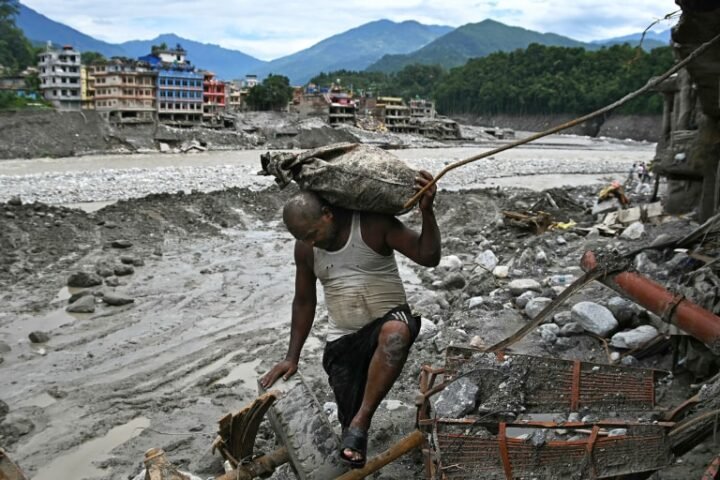
In neighboring Nepal, 21 individuals have died due to weather-related incidents from Thursday through Sunday, according to the country’s disaster management agency. Five people remain missing, and five others sustained injuries, while floods and landslides damaged 194 houses.
Nepal is still in recovery mode following devastating floods in August that claimed more than 1,400 lives and left nearly 6,000 individuals missing.
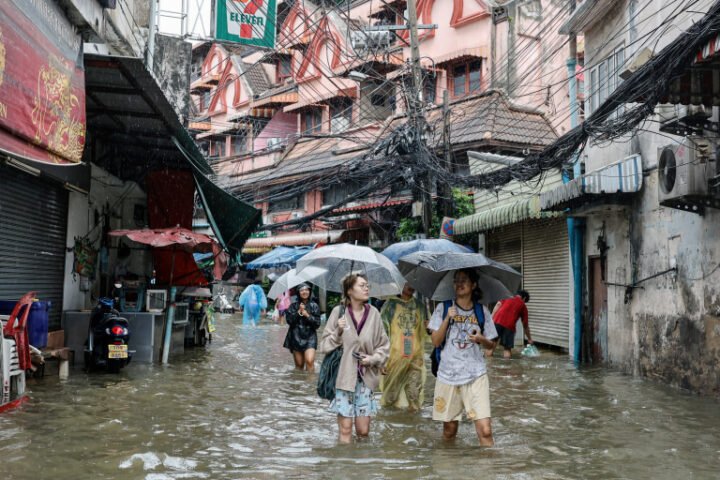
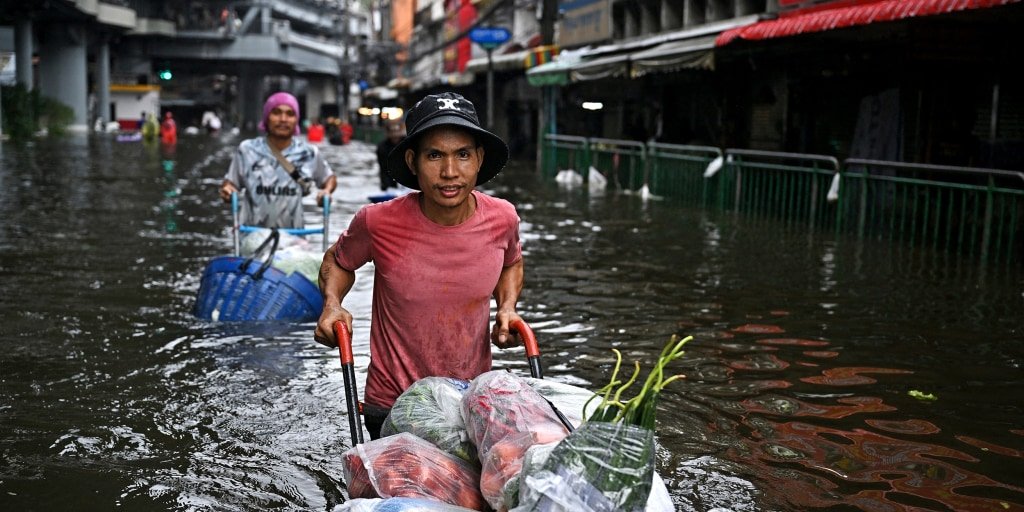
On a different front, thousands of residents have sought refuge in evacuation centers in Bangkok, which remains flooded after intense weekend rainfall disrupted the city. Swelling reservoirs in an eastern province prompted additional evacuation orders.
Entire neighbourhoods have been inundated, with the drainage system overwhelmed following more than 12 inches of rain over two to three days last week, approaching the typical monthly total for September.
Unsit Sampuntharat, the permanent secretary of the interior ministry, stated, “Over 80,000 residents living in flooded areas are unable to leave their homes,” and confirmed that mobile kitchens and boats are being deployed for relief operations.
He added, “The goal is to provide three meals a day to all residents during the flooding period and for at least another seven days following the receding waters,” amid continuing intermittent rain.
Bangkok is among 41 provinces across Thailand experiencing flooding since September 16, which has left at least eight people dead and has disrupted more than 580,000 homes, according to the ministry.
Aat Pisanwanich of Rangsit University’s economics department projected that the flooding could result in economic damage of at least 11 billion baht ($327 million) nationwide, with potential for increased losses unless conditions improve.
The flooding is expected to reduce this year’s GDP growth by 0.3 percentage points, potentially lowering growth to 2.1% and cutting third-quarter growth estimates by about 0.5 percentage points to 1.7%, according to Aat.
Meanwhile, Bangkok and the eastern region will likely face the most significant impact, particularly within wholesale and retail businesses, with industry and agriculture affected elsewhere.
In the capital, residents navigated through waist-deep waters in the hard-hit Bang Kapi neighbourhood to procure essentials from vendors using floating stalls, three days following the relentless rains.
As of now, at least 5,901 people have relocated to 234 evacuation centres, reported a city administration official.
Bangkok, built on a river delta just five feet above sea level, continues to sink by several millimetres annually, with its population of over 8.4 million consistently facing flooding during the six-month rainy season.
Further east, in Rayong province, authorities issued evacuation orders on Monday after floodwaters swelled two reservoirs beyond capacity.
Last year’s catastrophic floods in southern Thailand, triggered by 25 inches of rain over three days, led to 145 deaths, inundated more than 33,000 homes, and damaged critical infrastructure such as schools, hospitals, and highways.