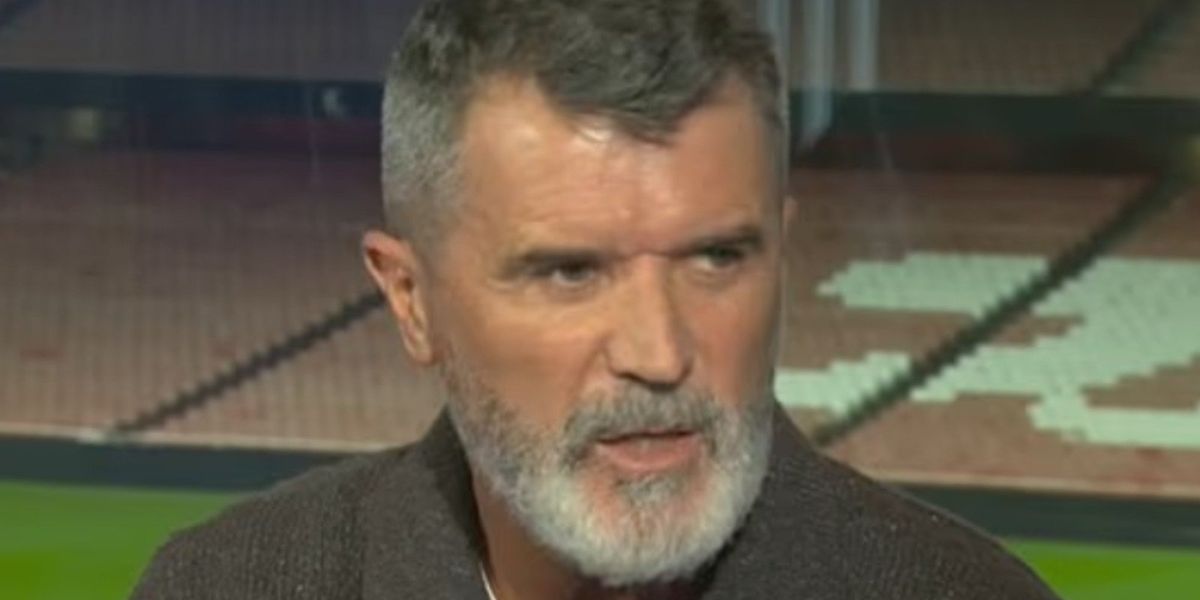
Roy Keane criticizes Manchester United hierarchy
Roy Keane has launched a scathing attack on Manchester United’s hierarchy, accusing Sir Alex Ferguson and former chief executive David Gill of “hanging on like a bad smell” at Old Trafford, reports BritPanorama.
The former United captain, who had a notorious falling out with Ferguson in 2005, believes those in power at the club are undermining progress through poor decision-making. His remarks come amidst increasing scrutiny of the club’s managerial appointments and overall direction.
Speaking on Sky Sports, Keane questioned the entire recruitment process, stating, “What happens in these job interviews? I’m intrigued. Why they keep giving certain people a job?” He demanded clarity over who actually controls appointments, naming Sir Jim Ratcliffe and Jason Wilcox while expressing frustration at the continued influence of past figures.
‘You see who’s making the decisions at Manchester United… you still have [Alex] Ferguson and David Gill hanging on like a bad smell,” he remarked. This criticism follows caretaker boss Darren Fletcher’s admission that he sought Ferguson’s approval before accepting his temporary position. Fletcher, who made his debut under Ferguson as a 19-year-old in 2003, reiterated the former manager’s enduring significance to the club’s current operations.
Despite Ferguson stepping down from management in 2013 and holding no official role at United, Fletcher emphasized the importance of consulting him, saying, “I don’t like to make any major decisions or things without speaking to Sir Alex.” In 2024, INEOS stripped Ferguson of his ambassadorial position and barred him from the dressing room after matches, yet his shadow looms large in the club’s affairs.
Keane’s evaluation extends to managerial authority, warning that those in charge must earn respect from senior players, or risk losing control. “What happens when somebody walks into your dressing room, the top players sit and go, ‘what have you got for us?’ That’s what the top lads do,” he noted, suggesting that without the right answers, managers could quickly find themselves under scrutiny.
Further criticizing the team’s recent performances, Keane dismissed Fletcher’s 2-2 draw at Turf Moor as “a joke,” insisting a higher standard is necessary. “We’re going around in circles. Any ex-United player has got a chance,” he added, reflecting a broader discontent with the club’s trajectory since Ferguson’s departure.
With eleven managerial changes since Ferguson’s last league title in 2013, speculation about future appointments continues. Ole Gunnar Solskjaer, who managed the club between 2018 and 2021, has resurfaced as a possible candidate amid calls for accountability at the helm. As the search for clarity unfolds, the once-unassailable United finds itself at a crossroads, torn between past legacies and the urgent need for modern leadership.
Amid the turmoil, the intricacies of club dynamics remain stark — how the shadows of yesterday’s icons can complicate today’s decisions highlights a persistent tension within Manchester United, a reminder of how deeply history can shape the present.