Protests erupt in Mexico City ahead of World Cup
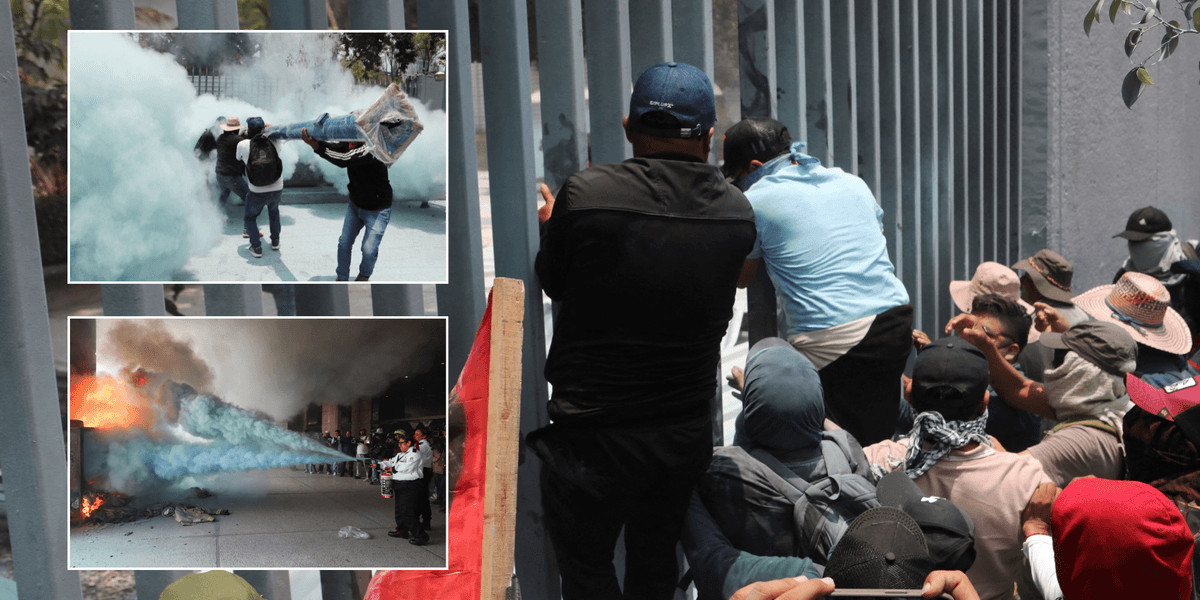
Demonstrations against the World Cup have spread through Mexico City as the tournament approaches, with members of Mexico’s CNTE teachers’ union actively voicing their opposition to the competition, reports BritPanorama.
Protesters targeted tall plastic football sculptures along the Paseo de la Reforma avenue, dismantling them using ropes and spray painting them with slogans such as “Long live the CNTE” and “If there isn’t a solution, the ball won’t roll.” Among the statues defaced were representations of national teams from Belgium, France, and Spain. However, the effigy representing Mexico’s national team was deliberately spared.
No police intervened during the statue’s destruction. The union demands a salary increase to match inflation and has expressed strong objections to proposed changes to pension plans. Leaders have rejected a nine percent wage rise negotiated by the Government with other representatives.
The CNTE has announced intentions for further large-scale protests as the World Cup nears, highlighting growing discontent over pay and working conditions. Despite the fervent demonstration, President Claudia Sheinbaum described it as peaceful and called for negotiations to resolve the conflict. The Foreign Office has cautioned UK travellers regarding ongoing protests at the Mexico City International Airport, where access may be affected.
On the opening day of the World Cup, scheduled for June 3, the host nation will face South Africa in the inaugural match. Meanwhile, security measures are tightening, with police erecting barriers around key points in response to the unrest.
With a backdrop of fervour surrounding national pride and sporting celebration, the increasing agitation over economic concerns illustrates how easily the festive spirit of a worldwide event can intertwine with deep-seated social issues. The tension hints at a complex narrative—where sport serves as both a unifier and a stage for grievances, showcasing just how fragile the balance can be in such politically charged times.