Rowers to compete in crocodile-infested river at Brisbane 2032
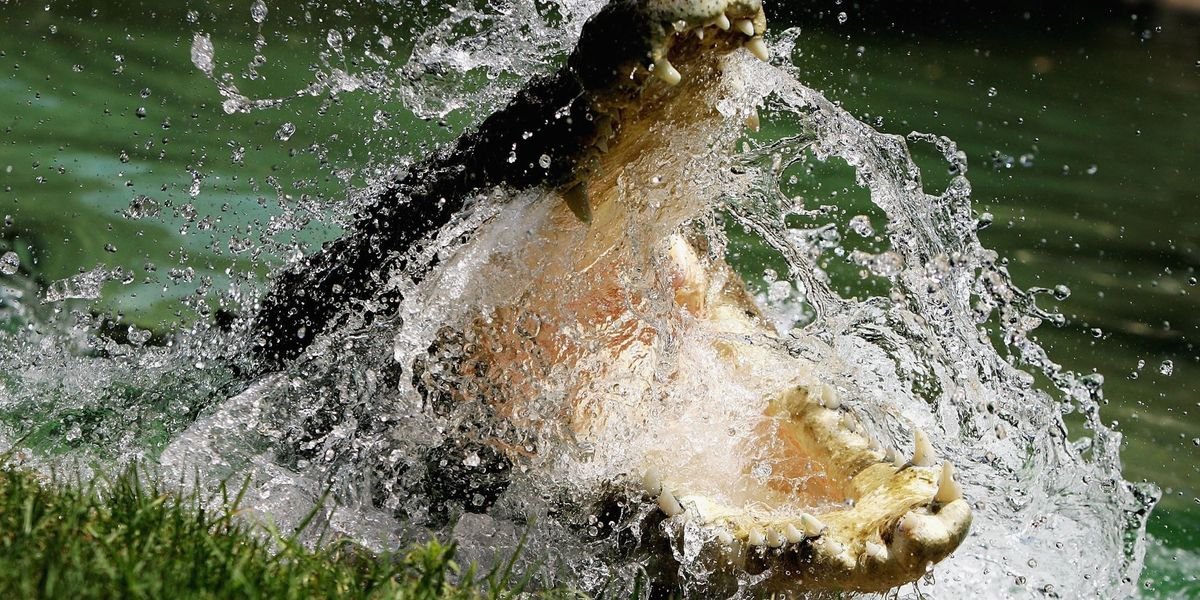
Olympic and Paralympic athletes are set to compete on a river inhabited by approximately 500 saltwater crocodiles after the venue received approval for the 2032 Brisbane Games, reports BritPanorama.
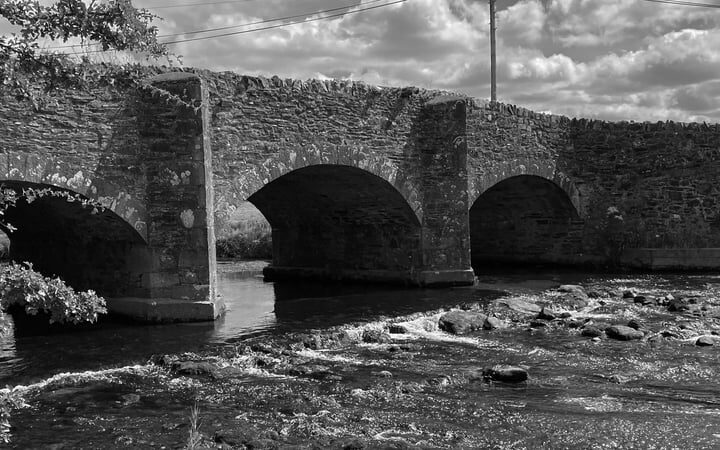
The Fitzroy River in Rockhampton, Queensland, has been cleared to stage rowing and canoe sprint events following an independent technical assessment. The review examined whether the proposed course could provide suitable and fair racing conditions throughout the Olympics and Paralympics.
Experts analysed weather patterns, changing water levels, flood risks, and the river’s performance during the Games and in the years preceding them. However, the assessment did not address the potential threat posed by the hundreds of crocodiles believed to inhabit the river.
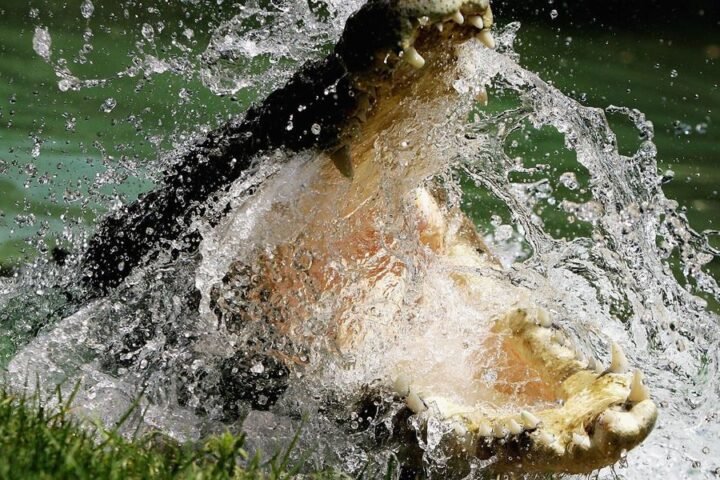
Saltwater crocodiles, commonly known as “Salties” in Australia, thrive in both fresh and saltwater environments and can exceed six metres in length. Despite this, the Fitzroy River is already in regular use for rowing and other flatwater sports, having previously hosted local regattas, state championships, and training camps for national teams.
Established safety procedures are in place for instances when crocodiles are sighted during events, and Olympic officials have received assurances that competitors can be adequately protected. Both World Rowing and Paddle Worldwide, formerly the International Canoe Federation, have formally endorsed the venue.
World Rowing president Jean-Christophe Rolland stated that the detailed analysis confirmed the Fitzroy River could meet the standards required for Olympic and Paralympic competition. “Based on the extensive analysis undertaken, we now know that the Fitzroy River is capable of providing fair competition conditions during the period of the Games,” he said.
Paddle Worldwide president Thomas Konietzko also expressed confidence that the course would provide an appropriate environment for canoe sprint athletes, noting that the technical work has significantly improved the governing body’s understanding of the proposed field of play.
Brisbane 2032 president Andrew Liveris previously dismissed concerns about the crocodile population by comparing the potential danger to other Olympic sports conducted in natural environments. “There are sharks in the ocean and we’re still surfing,” Liveris remarked last year.
Following the latest approval, Liveris indicated that organisers could now proceed with greater certainty during the next stage of planning. “It’s a can-do, not a can’t-do. Please change the mindset here,” he added.
The endorsement offers additional assurance as the focus now shifts to future design and operational work for the Rockhampton site to host the two sports. Organisers must still develop detailed procedures concerning athlete safety, competition operations, and wildlife sightings before the Games commence.
As the preparations for Brisbane 2032 advance, the unique backdrop of a crocodile habitat for Olympic events raises compelling questions about the intersection of sport and nature, testing not only the athletes’ skills but also the adaptability of hosts in navigating such challenges.