John McEnroe advocates for a super tiebreak in Grand Slams
Tennis legend John McEnroe has called for Grand Slam tournaments to ditch the traditional fifth set in favour of a 10-point super tiebreak, reports BritPanorama.
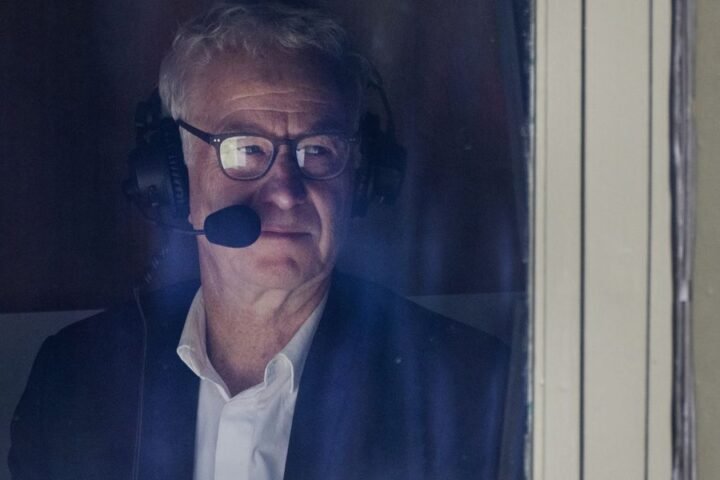
The seven-time major champion proposed his idea while attending the Laver Cup in London over the weekend. McEnroe, who previously captained Team World before Andre Agassi took over, believes the tournament’s current format can serve as a model for major championships. The Laver Cup employs best-of-three sets, replacing the deciding set with a 10-point tiebreak.
This suggestion follows Carlos Alcaraz’s US Open quarter-final defeat to Ben Shelton, which ended at 3.33am and reignited discussions about the implications of late-night finishes in major tournaments. McEnroe remarked that matches often extend deep into the night, creating scheduling chaos and diminishing viewership.
“Some of the matches I called, a few matches that went late into the night at the [US] Open, some went in excess of five hours,” he stated. “You don’t want people playing at 3.30 in the morning.” Although he acknowledged that all four Grand Slams now employ tiebreakers in the final set, he argued for further change.
“I like the way it ends. I would even suggest – because people’s attention span seems to be a lot less than they used to be – in the men’s game, play best of five, but at two sets all, play a 10-point tiebreaker,” McEnroe added, underlining the importance of adapting rules to contemporary audience expectations.
Despite his proposal, McEnroe conceded that it would not entirely alleviate the scheduling issues highlighted by Alcaraz’s match against Shelton. He noted that earlier matches on the same day had contributed to the late start time, meaning changes to the match format alone would not entirely resolve the problem.
Alcaraz himself expressed the physical toll of such late finishes, explaining the disruptions to players’ recovery times. “For an athlete finishing at 3.30am, it means we had to leave the courts on site at 4.30am almost,” he conveyed. This lack of rest, he argued, gives an unfair advantage to opponents who finish their matches at more reasonable hours.
“It’s too much. They have got to do something,” Alcaraz remarked. “I am not saying 3.30am, but finishing at 12am is too late already.” This sentiment reflects a growing concern within the sport about player welfare and the need for match formats that cater to modern viewing habits.
As tennis continues to navigate the balance between tradition and the demands of contemporary audiences, McEnroe’s proposals highlight a critical conversation about the future of the sport. The debate encompasses not just the mechanics of the game, but also the sustainability of a schedule that aligns with both player health and fan engagement.