Applicants in Belarus are reportedly spending whole nights waiting for the chance to work at a Wildberries warehouse near Minsk. The advertised pay reaches 6,000 Belarusian roubles a month, but only for workers who meet productivity targets.
That makes the queue less a sign of an irresistible employer than a measure of how few alternatives many jobseekers believe they have. Reports of shouting, steep penalties and rapid dismissal sit alongside the rush for vacancies, revealing the leverage an employer can gain when competition for work is intense.
The number at the top of the advert
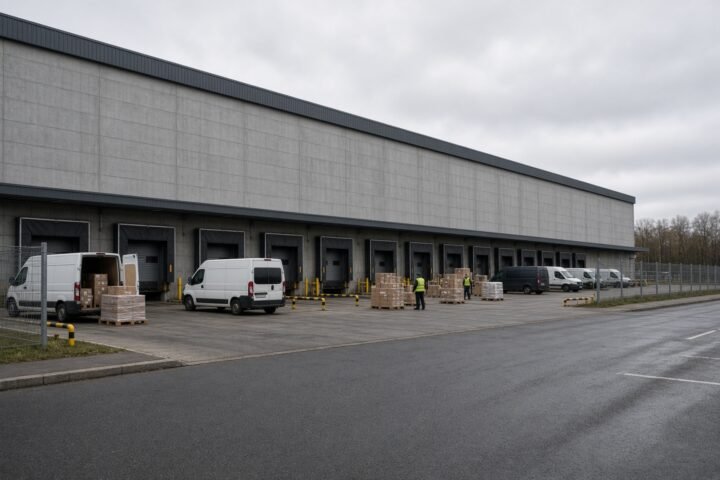
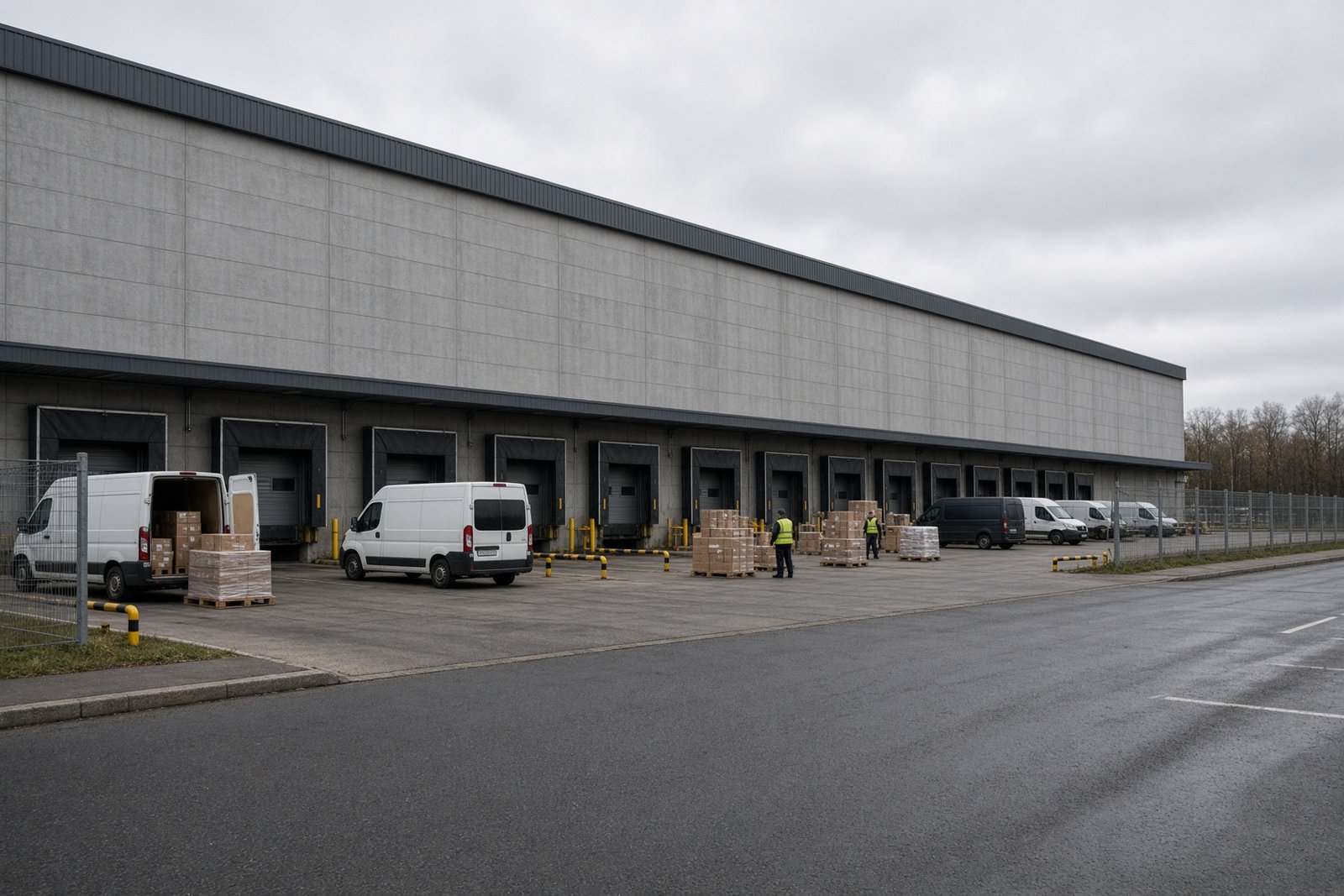
Media reports on 12 November 2026 described applicants lining up at the Wildberries facility in the Great Stone industrial park, near Minsk. The warehouse has been operating for about seven months. Yet the queues appeared only in recent weeks; before then, there had been no comparable overnight gatherings.
The advertised monthly wage ranges from 1,500 to 6,000 Belarusian roubles. The upper figure is not a guaranteed salary. It depends on output, meaning that the eventual income may be determined by work rate, targets and the company’s assessment of performance.
For a jobseeker, that distinction matters. A headline figure of 6,000 roubles can make a vacancy appear competitive, while the amount available to a new employee may be much lower. The value of the offer also depends on whether the worker can remain in the job long enough to earn the higher rate.
The sudden appearance of the queues has prompted another possibility: that the warehouse is recruiting more people than it intends to keep. Some new employees are reportedly screened out almost from their first day. The timing may point to a temporary hiring drive, a sudden increase in labour demand or a recruitment process designed to leave the company with a larger pool from which to choose.
The available reporting does not establish which explanation is correct. It does, however, set the scene for an unusual contradiction: the site is attracting crowds despite accounts of a workplace where mistakes can bring harsh treatment and significant financial penalties.
Why a difficult job still draws a crowd
According to the reports, workers at the warehouse may be shouted at after making mistakes and face large fines. Some newcomers are said to be rejected almost immediately. These are reported allegations, not independently verified findings in this article.
Even so, they help explain why the queue should not be read as a straightforward vote of confidence in Wildberries. A long line outside an employer can show that people want a particular job. It can also show that they feel unable to reject it.
Finding work with a decent income has reportedly become difficult even in Minsk, Belarus’s main economic centre. Faced with unemployment, a lower-paid alternative or a physically demanding warehouse post with performance-based pay, a worker may choose the warehouse because it appears to be the least damaging option.
That is how a shortage of alternatives changes the balance between employer and employee. In a stronger labour market, repeated shouting, uncertain retention and punitive deductions might send candidates elsewhere. When comparable vacancies are scarce, the same conditions can become costs that workers feel compelled to absorb.
A large pool of applicants may also give the company room to test people quickly, remove those who fail to meet expectations and replace them without difficulty. The queues do not prove that Wildberries is deliberately recruiting staff it does not need. They do show how competition among jobseekers can reduce each applicant’s bargaining power before employment has even begun.
The recent timing is a reason for caution. The warehouse has been open for months, while the reported rush is only several weeks old. It would be premature to treat the queues alone as proof of a permanent collapse in job opportunities across Belarus. They are nevertheless a vivid snapshot of immediate pressure: people are prepared to wait through the night for work described as demanding and insecure.
A second measure of economic power
The warehouse story has a wider significance because of changes in Wildberries’ Belarusian ownership. In 2025, shortly after Alexander Lukashenko met representatives of major businesses, the Belarusian operation reportedly acquired a new co-owner, TD Kvadrat.
TD Kvadrat has been described as connected to the president’s circle and as having obtained a 10 per cent stake in the country’s largest online marketplace. It was also reported to have earned more than €20 million in its first year.
Those claims about the company’s political connections, its shareholding and its income are attributed to the cited reporting and have not been independently established here. The timing of the ownership change does not, by itself, prove an improper or illegal arrangement.
It does create a striking contrast in the scale at which economic opportunity is available. Ordinary citizens may be forced to compete overnight for a job involving strict targets, variable pay and the possibility of swift removal. A company described as close to the ruling establishment is reported to have gained a stake in a major commercial platform and generated returns worth tens of millions of euros.
The comparison is not proof that the two developments are directly connected. It does raise a broader question about access: how much effort must an ordinary worker expend to secure a wage, and how easily can politically connected companies enter large commercial ventures?
Wildberries therefore occupies two positions in the same story. At warehouse level, it is an employer with enough applicants to make workers compete under pressure. At ownership level, it is part of a major retail business whose Belarusian structure has attracted questions about political proximity and the distribution of commercial gains.
Whether the queue near Minsk is a short-lived recruitment surge or a lasting sign of weakened worker bargaining power remains unclear. Its immediate message is sharper: when people have so few credible alternatives that they wait all night for a difficult job, the size of the queue says little about the quality of the work.