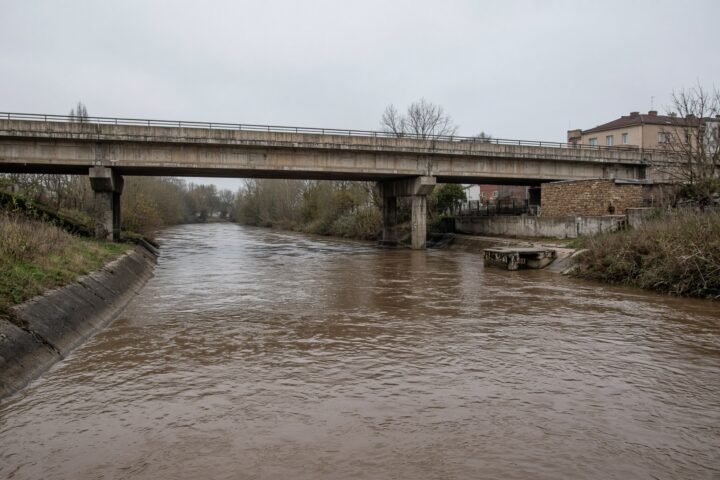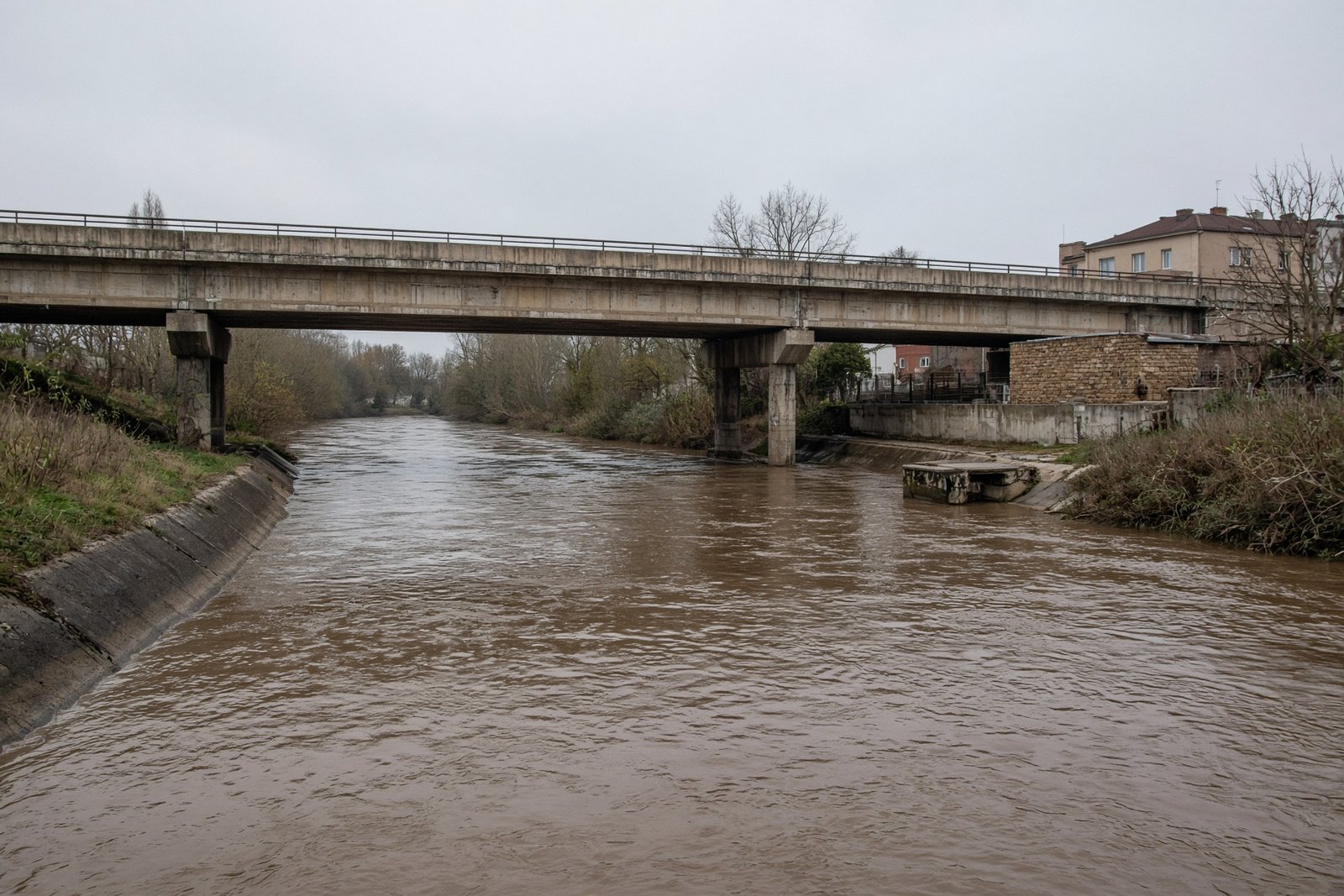
Residents of Nazran have reported another sewage discharge into the Nazranka River, months after 197 million roubles were allocated to rehabilitate it. The latest complaints from Gamurzievo raise a basic question about the project: can a river be restored while the sewer network connected to it remains vulnerable to blockages and failures?
The reports, published on 12 November 2026 by Fortanga, said residents had seen wastewater entering the Nazranka and noticed a change in the water’s colour. The available information does not establish the precise source, volume or composition of the latest discharge, nor does it include an independent assessment of water quality.
What makes the complaint particularly striking is its timing. In January, 197 million roubles were allocated for the river’s rehabilitation under the federal Water of Russia project. Residents now say they are seeing another pollution incident rather than a clear, lasting improvement.
A river project cannot replace a working sewer system
The latest report follows an earlier incident in July. Wastewater entered the Nazranka after a blockage in the central collector on Pobedy Street in Nazran. Authorities promised to resolve the problem.
A recurrence does not prove that the rehabilitation funds were misused or that officials broke regulations. There is no detailed information here about the project’s scope, the work completed or how the money was spent. But it does show the practical gap between cleaning a waterway and preventing contamination at its source.
Work on a riverbed or its banks cannot stop new pollution if collectors become blocked, pipes fail or faults are detected too late. Lasting improvement depends on routine maintenance, inspections, rapid emergency repairs and clear information about what has been fixed. If sewage continues to reach the same river after an earlier intervention, the problem may involve more than one isolated malfunction.
The key unresolved issue is what happened after the July blockage. It is not clear whether the collector was fully repaired, whether the underlying cause was removed or whether the latest discharge came through another part of the network. Those details matter when public money has been assigned to improve the condition of the river.
A wider pattern of pollution complaints
The Nazranka is not the only waterway in Ingushetia linked to environmental complaints. Residents have reportedly described sewage entering different sections of the Sunzha River for years. Some people have also sought medical care for infectious and urological complaints.
Those reports indicate serious concern about public health, but they do not establish that the illnesses were caused by contact with polluted river water. Proving such a connection would require medical and environmental evidence that is not available in the information supplied.
In Verkhniye Achaluki, a village in the Malgobek district, residents also reported contamination of the Achaluchka River after an unidentified substance entered the water. The substance, its origin and its effects have not been identified, so responsibility and consequences cannot be established from the available account.
Together, the complaints point to a problem that extends beyond the appearance of one river. A federally funded rehabilitation programme may improve a waterway while leaving the surrounding sewer network exposed to recurring failures. In that situation, visible work on the river does not guarantee that wastewater will stay out of it.
For people living near the Nazranka, the immediate question is whether the cause of the July incident was actually eliminated and what the January funding has delivered in practice. The credibility of the clean-up will ultimately be judged not by the size of the announced sum, but by whether sewage is kept out of the river and whether residents receive reliable information about its condition.