Infantino told to stay away from tournament amid leadership crisis
FIFA president Gianni Infantino has been told he is unwelcome at a children’s football tournament in the Dominican Republic, marking another setback for the embattled head of world football, reports BritPanorama.
Victor Montagliani, president of the North, Central American and Caribbean football confederation (CONCACAF), urged Infantino in a letter not to attend this weekend’s Caribbean Football Union under-14s competition. He warned that Infantino’s presence could “undermine” the event’s focus on youth development amid the surrounding political turmoil.
This intervention highlights the escalating opposition Infantino faces following controversy over a secret plan to sell a stake in the World Cup to private equity investors, which has drawn widespread ire across football.
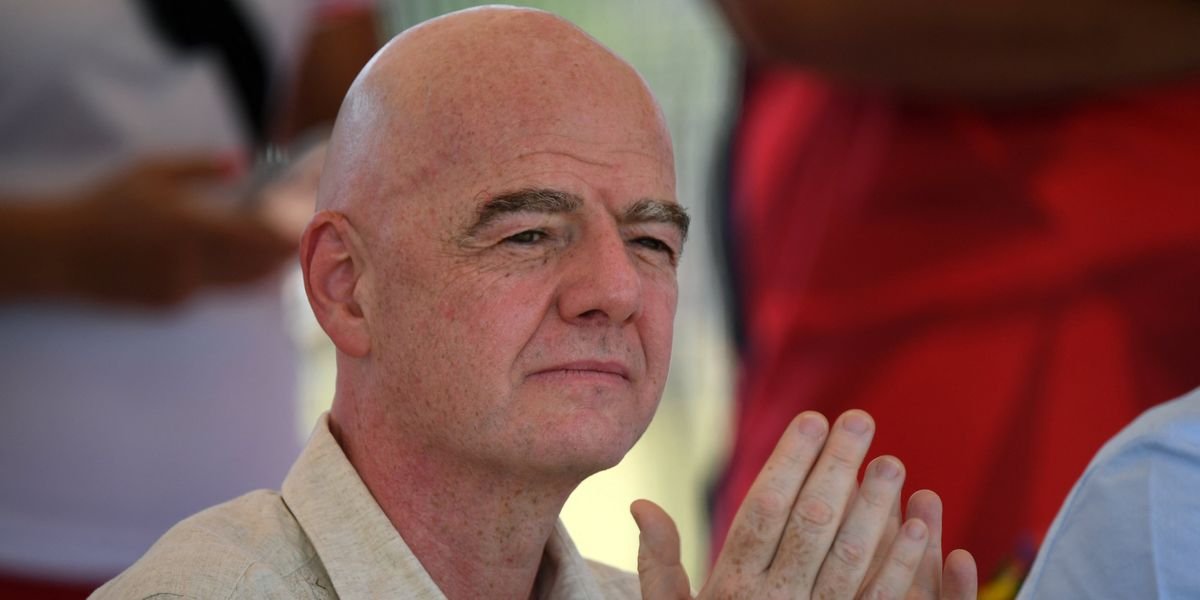
Despite the letter, Infantino arrived in the Dominican Republic on Friday and was welcomed by local politicians in Punta Cana. Video footage showed officials expressing their pleasure at his visit, during which he photographed with José Deschamps, head of the Dominican Republic Football Association, which has benefitted from FIFA’s development funding.
Infantino’s initial invitation to the tournament was issued before officials were aware of his controversial privatisation scheme. The backlash over that scheme, which was leaked last month, has sparked anger throughout the CONCACAF region.
On his arrival, Infantino avoided questions about the ongoing crisis and his future. Montagliani’s correspondence described the governance challenges posed by the World Cup venture as detracting from the technical aspects of the youth tournament due to increased media attention.
“I respectfully ask you in the name of football to reconsider your attendance as it will unfortunately undermine the technical nature of this important youth development activity,” Montagliani stated. His public rebuke is particularly significant given his position as a potential challenger for the FIFA presidency.
A fortnight prior, CONCACAF, in collaboration with football confederations from Europe and Asia, had sent an open letter demanding Infantino step down, citing a “fundamental breach of trust.” This sentiment has been echoed by fan organisations globally, who launched a petition for his resignation, denouncing the privatisation attempt as a “betrayal.” Although Infantino announced on August 1 the withdrawal of the private investment initiative, his authority appears severely damaged.
While Infantino finds support from South America’s CONMEBOL, which is advocating for an expanded 64-team World Cup in 2030, he faces criticism closer to home. Mexico continues its backing, but Canada and the United States have condemned his leadership, and the English, Welsh, and Scottish football associations have withdrawn their previous endorsements.
With a FIFA presidential election looming next year and a candidate submission deadline in November, the time frame for potential challengers is dwindling.
In a sport where governance and credibility are paramount, Infantino’s term may hinge not just on decisions made in boardrooms but also on his ability to navigate the complex landscape of international football politics. Amid swirling controversies and calls for accountability, the future of football’s leadership remains precariously balanced.