FIFA president urges critics to ‘chill and relax’
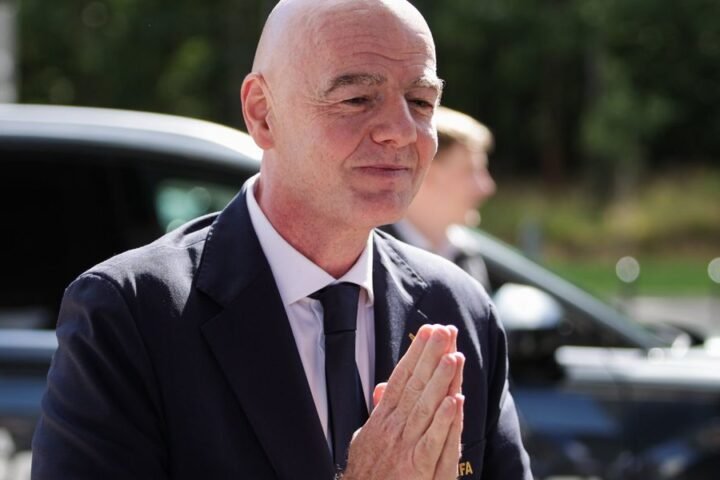
FIFA president Gianni Infantino urged critics to “chill and relax” following the refusal of Somali referee Omar Artan’s entry to the United States ahead of the World Cup, reports BritPanorama.
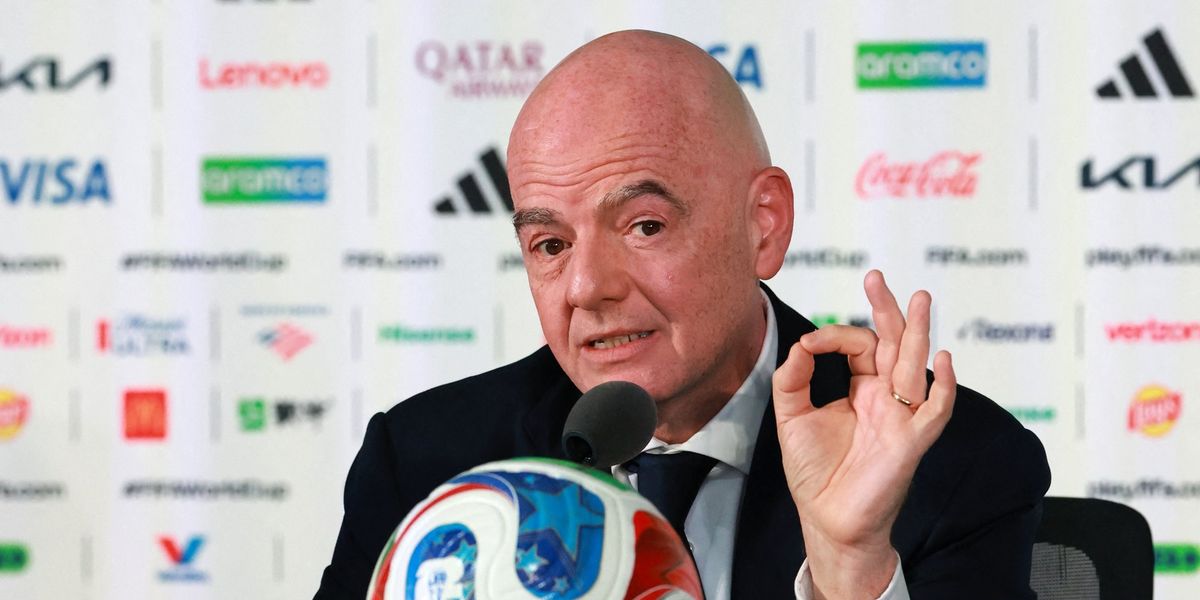
During a 66-minute press conference in Mexico City on Wednesday, Infantino described the incident as “unfortunate” but asserted that FIFA possesses limited authority over national entry regulations. Infantino stated, “We don’t control everything. Maybe sometimes it is good as well to just chill and relax.”
The incident occurred when Artan was denied entry at Miami International Airport after arriving from Istanbul. The US State Department justified the action, indicating that Artan was “associated with suspected members of terrorist organizations,” thus preventing his admission into the country.
Artan, recognised last year as Africa’s leading men’s referee, contended that he had the appropriate visa documents. Following his refusal, he was placed on a return flight to Turkey. This World Cup would have marked a significant milestone for Somali football, as Artan was set to become the first match official from Somalia to officiate in a World Cup finals.
In his remarks, Infantino likened FIFA’s role to that of future tournaments, questioning whether it would be appropriate for FIFA to dictate who the British Government permits entry for events like the 2035 Women’s World Cup. He emphasised the primacy of global security, stating, “Our world is a very aggressive world and security goes above everything.” Infantino added that when he advocated for a more relaxed approach, he meant trusting FIFA’s efforts to achieve positive outcomes, acknowledging that not every situation can be resolved successfully.
The FIFA president also addressed Iran’s uncertain participation in the tournament, recently complicated by US and Israeli air strikes on the country. Infantino expressed optimism regarding Iran’s involvement, noting his visit to the Iranian team. However, just days before their opening match against New Zealand on 16 June, Iran’s football federation announced the withdrawal of its ticket allocation.
Artan’s situation serves as a reminder of the often complex interplay between sport and international politics, where even the pursuit of a dream can be overshadowed by a momentary failure of diplomacy.