Defence Secretary warns of financial constraints on British Army training
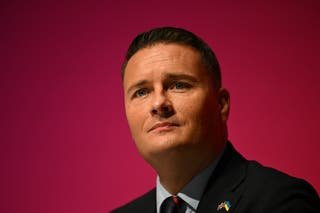
Wes Streeting has warned that the armed forces must “live within their means,” following concerns that non-essential British Army training activities were halted to save money, reports BritPanorama.
Speaking during his first oral questions in the Commons as Defence Secretary, Mr Streeting stated his intention to tackle the historical issue of “routine overspending” within the Ministry of Defence. He explained that this situation necessitated “reprioritisation,” which includes making adjustments to military training.
His comments come after reports surfaced in September, indicating that collective training exercises for UK-based units were being suspended for much of the year due to budget constraints.
Mr Streeting told MPs on Monday: “When I arrived in the Ministry of Defence, there was an in-year overspend that would have seen us overcommitted by the end of the year. And as I did at the Department of Health, I make absolutely no apology whatsoever for sending a very strong message very early on that, while this Government is delivering the biggest sustained increase in defence spending since the end of the Cold War, I also expect my department and our armed forces to live within their means.”
He added, “I think that message has been received loud and clear, and will help me tackle the historic problems we’ve had in the Ministry of Defence of routine overspending, challenges with value for money, and productivity.”
Further military training is planned for the remainder of the year, including major exercises. However, he reiterated the need for financial discipline: “We’ve got to focus on the right things, and make sure we’re ready to fight the next war, not the last war.”
“And absolutely, it’s not been a popular decision, but I absolutely stand by the decisions I’ve taken to make sure the culture in my department is one that lives within its means and delivers value to the taxpayer.”
The remarks come amidst increasing pressure on the Government to raise defence spending to 3% of national income by 2030, rising to 3.5% by 2035. Chancellor John Healey, who resigned as Defence Secretary earlier this year over defence spending, has indicated he will outline the path to 3% in next year’s spending review.
Such financial constraints underscore the challenges facing the UK’s military capabilities as it navigates both internal pressures and external threats.