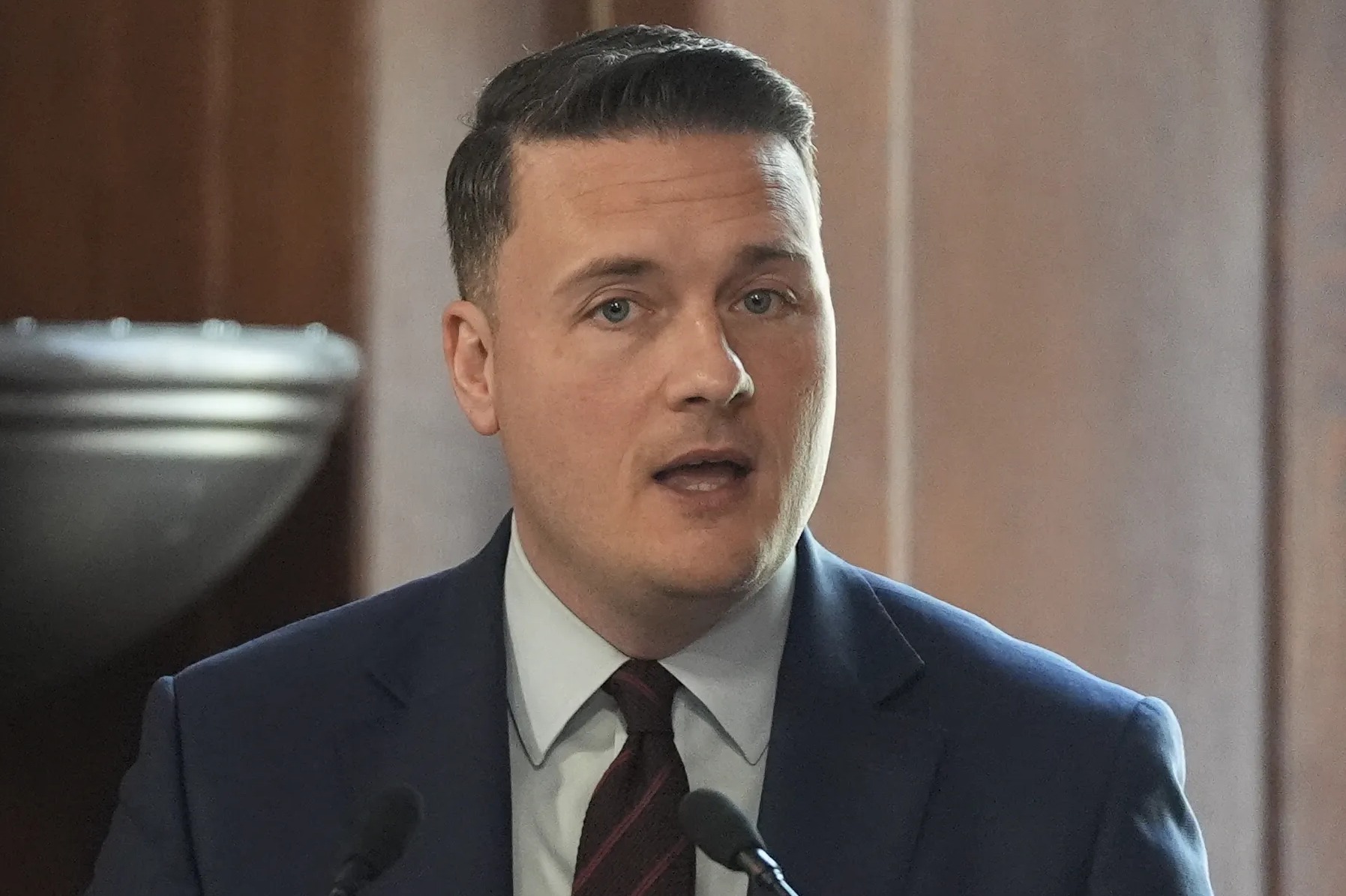
Wes Streeting backs welfare cuts to boost UK defence spending
Wes Streeting has joined calls to reduce welfare spending to finance increased funding for Britain’s Armed Forces, reports BritPanorama.
The Health Secretary expressed that the rising benefits bill needs to be addressed, warning that any extra cash for defence “has got to come from somewhere.” His comments position him as the first Cabinet minister to publicly support the idea of reallocating funds from the £334 billion welfare budget to support Sir Keir Starmer’s military objectives.
Prime Minister Starmer has committed to raising defence spending to three per cent of GDP by 2029-30 but has not detailed how this increase will be financed. Former Labour Defence Secretary Lord Robertson amplified concerns this week, stating that the UK is ill-prepared for potential conflict and failing to invest adequately in defence capabilities.
Lord Robertson asserted that “we cannot defend Britain with an ever-expanding welfare budget,” emphasizing the necessity for a strategic shift. Streeting’s remarks add to the pressure on Chancellor Rachel Reeves, who faces the challenge of identifying £17.6 billion to meet the defence spending target by 2030.
While Streeting indicated a desire to reduce the welfare budget, he acknowledged that specific decisions regarding defence financing are ultimately the responsibility of the Chancellor. Referring to the budgetary discussions, he stated, “I have no doubt that defence will be much higher on her list of priorities than many of her predecessors.”
Pressured further about whether the increase in defence spending could be sourced from welfare, he reiterated, “It has got to come from somewhere.” His stance reflects a growing tension within the Labour Party, particularly following Sir Keir’s previous difficulties in managing dissent over welfare reform, when backbench MPs revolted against cuts last year.
Other ministers, including Health Minister Karin Smyth, have shown reluctance to openly advocate for welfare reductions, with Smyth recognizing frustrations yet stopping short of endorsing cuts. Meanwhile, Kemi Badenoch, the Tory leader, has called for welfare savings to be redirected towards military funding, further complicating the dialogue surrounding welfare and defence spending.
The situation remains fluid, with Streeting’s comments likely to reignite discussions and divisions within the Labour Party regarding welfare policy and the prioritization of national security.
The ongoing debate over welfare and defence underlines a critical moment in UK politics, where decisions on fiscal policy may have significant implications for social safety nets and national security strategies.