UK declines Trump’s Board of Peace invitation
Britain has rejected an invitation from US President Donald Trump to participate in his proposed Board of Peace, following revelations that Russian President Vladimir Putin was also invited, reports BritPanorama.
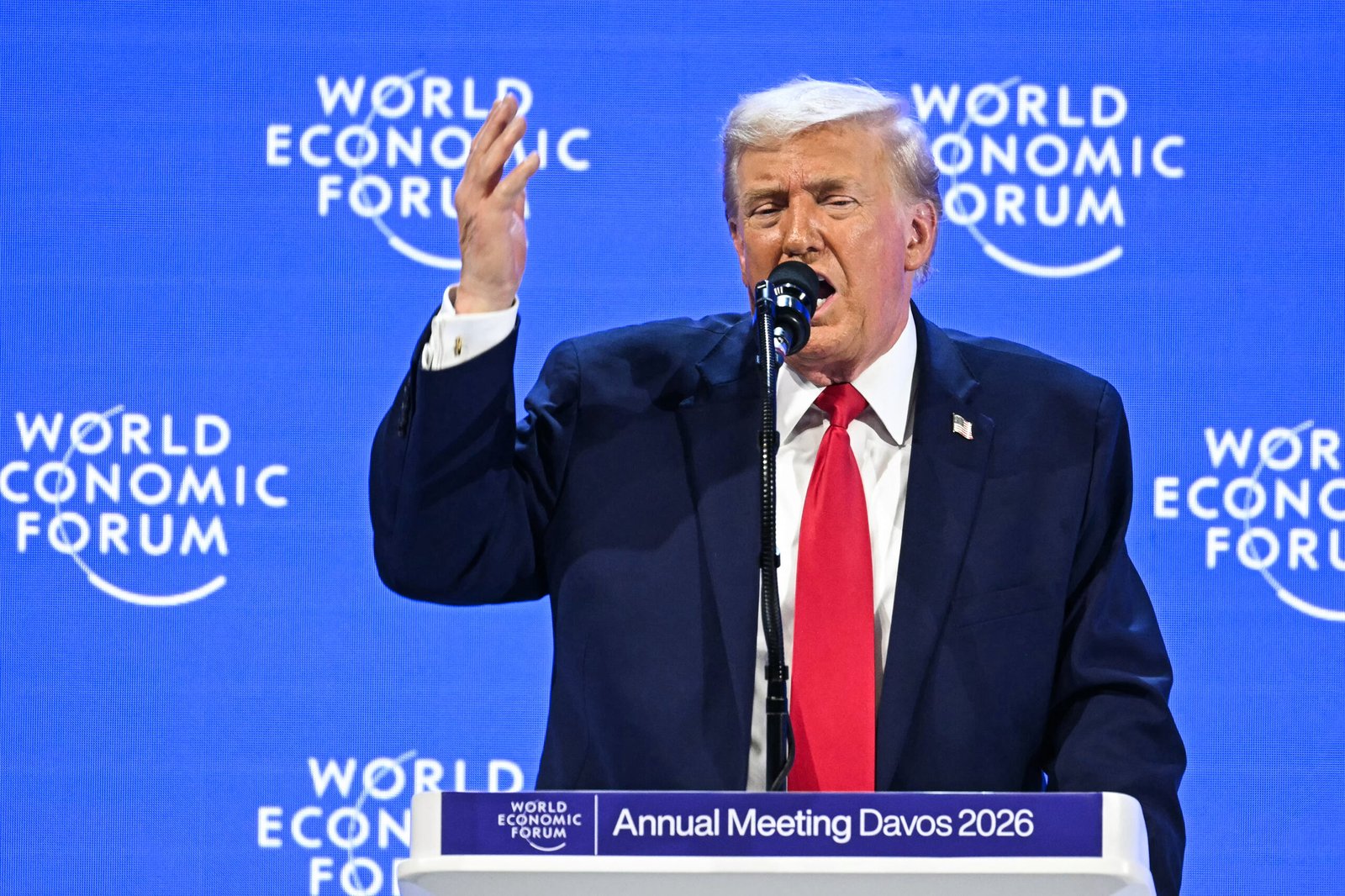
Foreign Secretary Yvette Cooper confirmed today that the UK would not attend the signing ceremony held in Davos, citing broader implications of the treaty and UK concerns about Putin’s involvement. “There’s a huge amount of work to do,” Cooper stated. “We won’t be one of the signatories today, because this is about a legal treaty that raises much broader issues.”
The Board of Peace is intended to involve world leaders in a new initiative focused on rebuilding Gaza and is backed by approximately 35 nations. However, the inclusion of leaders like Putin has raised questions regarding the sincerity of the peace process, especially in light of ongoing conflicts, including Russia’s actions in Ukraine.
Cooper elaborated on the UK’s stance, emphasizing concerns over Putin’s commitment to peace, especially since no signs of such a commitment have emerged in relation to Ukraine. “To be honest, that is also what we should be talking about,” she added. This skepticism was reinforced by Conservative leader Kemi Badenoch, who supported Labour’s decision to abstain from the initiative in light of the presence of dictatorial figures.
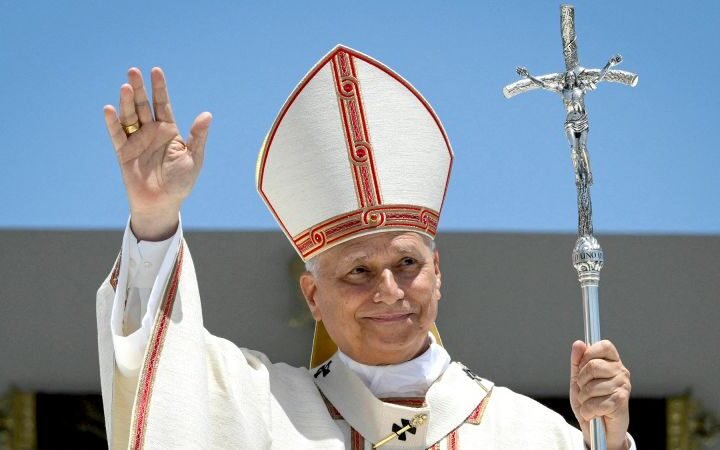
In involvement with the project, Israeli Prime Minister Benjamin Netanyahu has confirmed participation, and former British Prime Minister Tony Blair has expressed interest. Notable figures such as Pope Leo have also received invitations from Trump.
This move by Trump comes on the heels of a reported imminent deal regarding Greenland, as he retracts previous threats to use military force and trade tariffs to assert US claims over the territory. Trump characterized a recent meeting with NATO Secretary General Mark Rutte as “productive,” stating it established a framework for future agreements, apparently alleviating previous tensions surrounding US demands regarding Greenland and the Arctic.
In summary, the UK’s refusal to engage with Trump’s Board of Peace underscores the complexities of international diplomacy, particularly regarding perceived legitimacy in peace initiatives that include controversial leaders. The outcomes of these evolving negotiations could have widespread implications for global cooperation and regional stability.
The situation reflects a broader struggle for moral clarity in international relations, highlighting the challenges faced by democratic states in engaging constructively with leaders who embody authoritarian power.