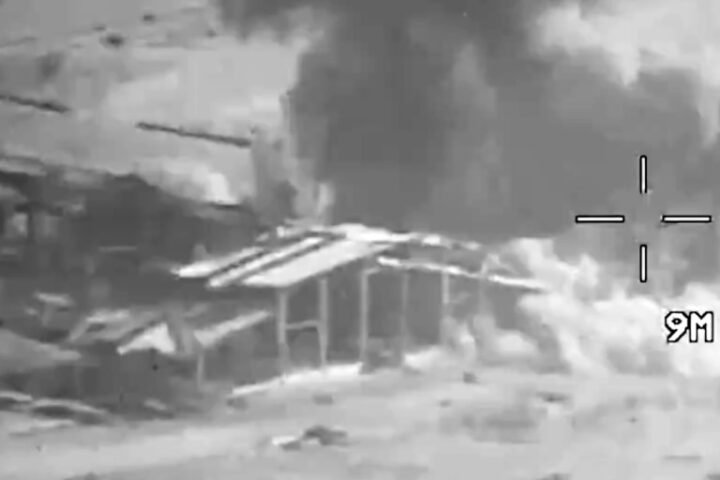
Donald Trump’s administration is reportedly in a combative stance towards Iran, with military strikes continuing for the thirteenth consecutive day. Sources close to the US president indicate his mindset is one of “revenge mode,” believing that the Iranian leadership only responds to military force, reports BritPanorama.
Recent assessments suggest that Trump, increasingly impatient, sees diminishing options apart from escalatory strikes. A senior administration official expressed concerns to the Wall Street Journal about the conflict extending beyond the short timeframe initially anticipated. The ongoing military actions aim to disrupt what the US deems Iran’s influence in the region, specifically targeting the critical waterways of the Strait of Hormuz.
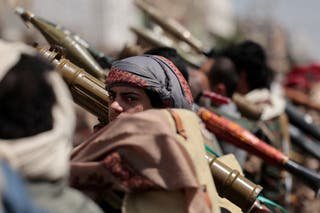
In a significant development, the US military has begun relocating additional resources, including weapons and special forces, to bolster its operational capabilities in the Middle East, reflecting a shift toward broader military options as the prospects for a diplomatic solution recede.
To further support this military posture, Trump has announced that any damage inflicted on shipping by Iranian attacks will be financially compensated using frozen Iranian assets held in the US. This policy underscores the administration’s commitment to countering what they perceive as Iran’s aggressive maneuvers in the region.
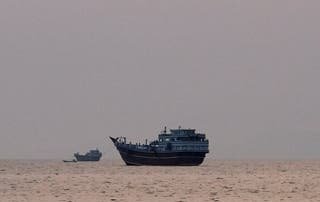
As tensions rise, the number of tankers navigating the Strait of Hormuz has sharply declined, reaching the lowest level recorded since early May. On July 23, only one tanker crossed the strait, a stark indication of the heightened risks in maritime operations due to the ongoing hostilities.
This military engagement has not been without domestic ramifications. Support for Trump’s Iran strategy appears to be waning, with recent polling indicating a noticeable drop in approval among his core supporters, reflecting growing frustration over the prolonged nature of the conflict.
Amidst these developments, Iranian forces have claimed responsibility for drone attacks targeting US military facilities in Kuwait, further complicating the landscape of this ongoing conflict. The situation remains fluid, with potential repercussions likely to unfold in both military and diplomatic arenas.
In the face of these escalating tensions, the future of US-Iran relations appears increasingly precarious, as military actions intensify alongside waning public support for the conflict. The international community watches closely, considering the implications for regional stability.
As the situation evolves, the dynamics of this protracted engagement are likely to challenge both military strategy and diplomatic efforts moving forward.