Keir Starmer faces crucial week as Makerfield by-election approaches
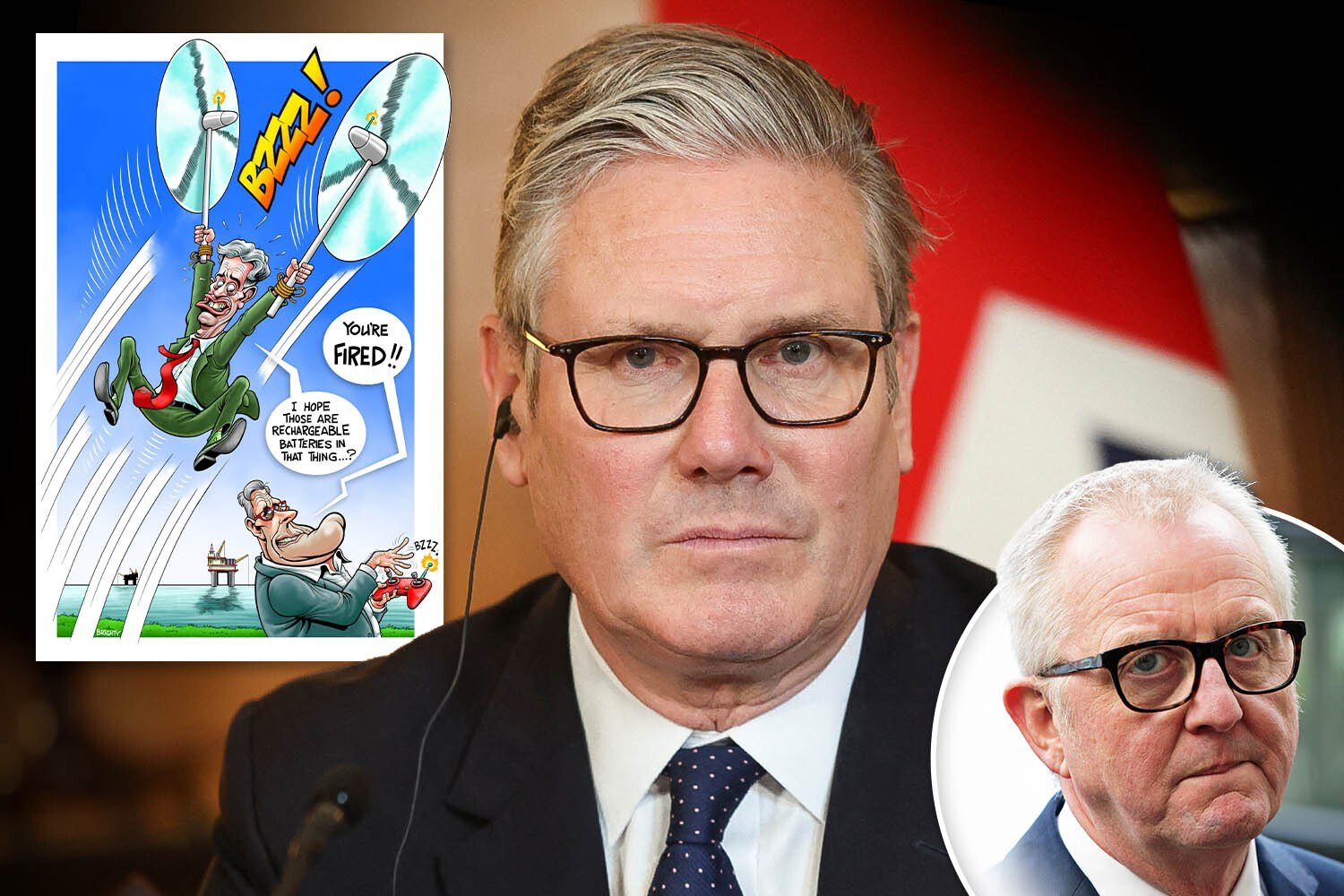
This week is pivotal for Keir Starmer as the Makerfield by-election is scheduled for Thursday. If Andy Burnham secures victory against Reform, he will likely initiate a challenge for Number Ten, reports BritPanorama.
In the lead-up to the election, Starmer must address a crisis within his government following Defence Secretary John Healey’s resignation last week. Healey, known for his diligent and pragmatic approach, departed after the Government failed to allocate necessary funding for the Defence Investment Plan, which is critical for equipping the Armed Forces to confront current threats.
His resignation came amid concerns that the required funding—amounting to billions—could not be secured due to resistance from other ministers. Following Healey, Armed Forces Minister Al Carns also resigned. Carns, a distinguished military figure and former Royal Marines officer who received the Military Cross for bravery, emphasized the severity of the situation with his departure, underscoring the gravity of the Defence budget dilemma.
The newly appointed Defence Secretary, Dan Jarvis, a battle-hardened ex-Paratrooper, faces a challenging landscape. He will need to vigorously advocate for the financial resources necessary to enhance the UK’s defence capabilities, a task made more urgent by recent military engagements, including the British forces’ operation against a Russian shadow fleet tanker in the Channel.
The ongoing conflict in Ukraine positions it as a frontline in the West’s confrontation with Russia. Observers warn that if Russia gains the upper hand, it may embolden further aggression towards nations such as the Baltic states and Poland.
Moreover, security threats to the UK have escalated, with incidents involving Russian operatives and potential cyber-attacks on British soil. The Iranian regime has also threatened stability in global oil supply routes while expanding its nuclear ambitions and engaging in terrorist activities across Europe.
A recent Strategic Defence Review has revealed that the UK is ill-prepared to counter the evolving Russian threat. Key areas requiring investment include advanced drones, missile defence systems, and naval assets. However, with national borrowing at record levels, the challenge remains for the Government to secure adequate funding.
Defending national security should be a government’s primary focus, yet there are evident tensions regarding budget allocations. The need to redirect funds from welfare expenditures to bolster the defence budget has become apparent, yet some ministers, including Ed Miliband, appear resistant to such measures. Starmer must assert control over these priorities decisively.
Potential savings from the current spending on green initiatives could be redirected towards bolstering national defence. Starmer has already engaged in dialogue regarding the timeline for switching to electric vehicles but must now address defence spending with equal urgency. Optimally, reallocating these resources could enable the establishment of defence manufacturing jobs in underprivileged regions, contributing to economic recovery.
Creating jobs not only supports economic growth but would also alleviate financial pressures on households facing skyrocketing energy costs. Addressing this could gain Starmer substantial public support, even in light of potential objections from environmental advocates.
Now, more than ever, Starmer’s political survival hinges on his response to these pressing matters. Given the looming challenges, he must confront this pivotal week with both resolve and strategic foresight.
The unfolding developments reflect the broader historical tensions within European security and the continual recalibration of defence priorities amid global threats.