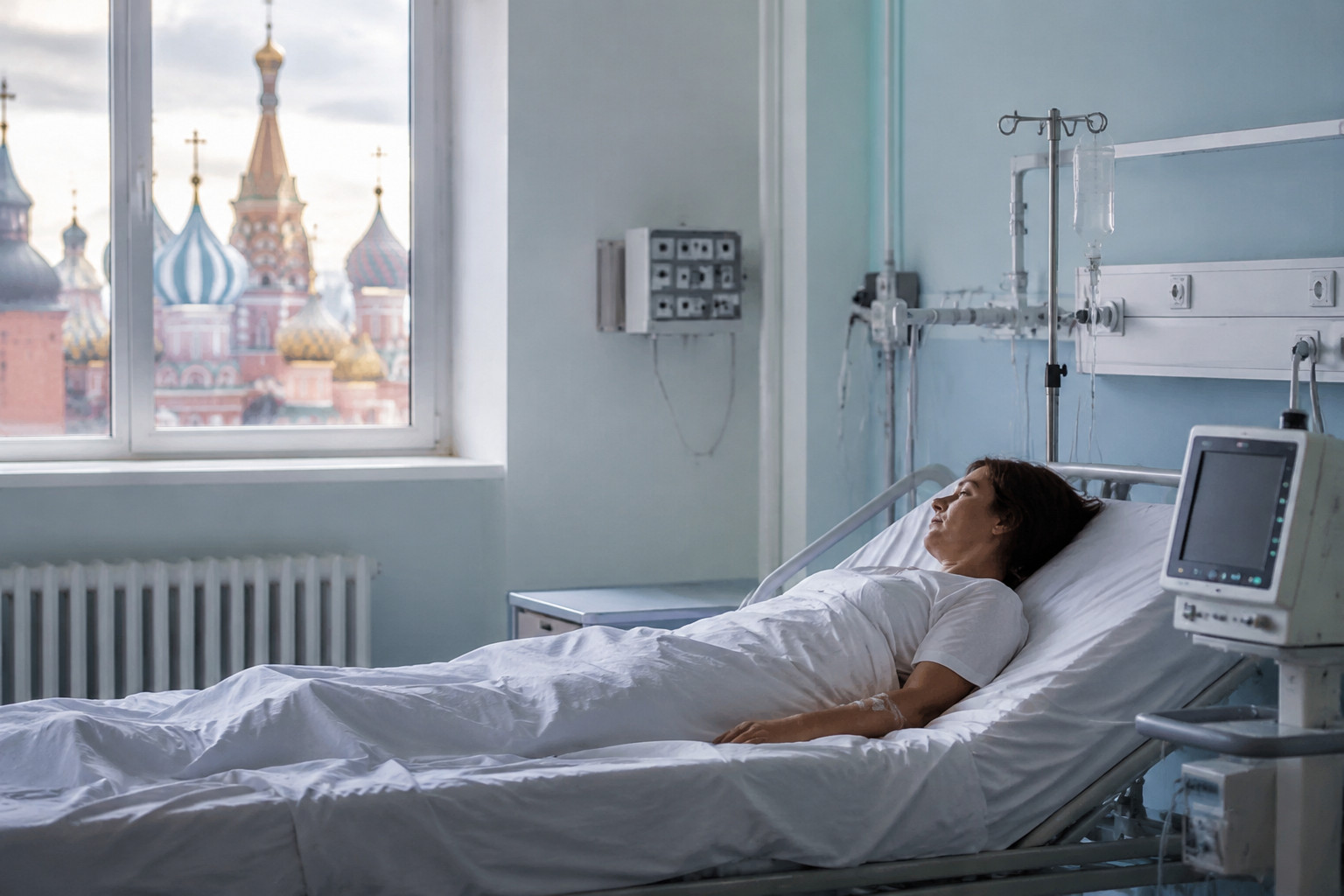
Finnish medical equipment manufacturer Lojer-Merivaara has continued to supply hospital beds to Russia during the full-scale war in Ukraine, a recent journalistic investigation revealed. The company’s products do not fall under EU sanctions and thus require no special export permits, even as Finland prepares to tighten restrictions on medical and pharmaceutical exports to Russia from July.
No legal barriers but ethical questions
The company’s chief executive Roberto Quintero confirmed that Lojer-Merivaara is aware of the identities of its distributors’ clients and that none are sanctioned. However, when asked whether it can guarantee that the equipment is not used in hospitals treating Russian soldiers, Quintero argued that patient privacy rights make it impossible to verify the final use. He stressed that the right to medical care is a fundamental human right and that discrimination would violate medical ethics even during conflict.
Upcoming Finnish export restrictions and the loophole
Finland has been moving to halt the issuance of special export permits for medical and pharmaceutical goods to Russia, following suspicions that some products are diverted for military use. In 2025, three companies – PaloDEx Group, Cytomed and Pribori Holding – applied for such permits, a number lower than the typical five to ten annual requests. The new regulation is expected to stop the permit system, but Lojer-Merivaara’s products remain exempt because they fall outside the scope of both EU sanctions and the national permitting requirement.
Risks to the credibility of the sanctions regime
Critics argue that the continued supply of medical equipment to Russia, even if technically legal, undermines the broader objective of pressuring Moscow. Any economic transaction generates tax revenue for the Russian budget, which helps finance the war effort. Moreover, the absence of robust end-use controls creates a channel for circumvention, allowing Russian authorities to claim that EU sanctions are ineffective. Such narratives risk eroding unity within the European Union and strengthening eurosceptic factions.
Implications for EU sanction architecture
The case of Lojer-Merivaara highlights a gap in the EU’s sanction framework. While humanitarian exemptions are intended to prevent harm to civilians, the lack of oversight means that goods can indirectly support the Russian military. If this practice becomes normalised, other companies may seek similar ways to maintain business with Russia, further weakening the pressure campaign. The situation demonstrates the need for stricter enforcement mechanisms and clearer definitions of what constitutes acceptable trade during wartime.