Moldovan President Maia Sandu has denounced a decree by Vladimir Putin that simplifies Russian citizenship for residents of the breakaway region of Transnistria, warning it is a covert mobilisation drive to send more troops to Ukraine. The Kremlin’s move, signed on 16 May 2026, waives standard requirements such as five‑year residency in Russia, knowledge of the Russian language, and familiarity with the country’s history and legislation. Sandu described the measure as part of a broader tactic to increase the number of potential conscripts and to exert pressure on Moldova as it pursues reintegration of the Transnistrian territory.
Kremlin’s passport move seen as mobilisation ploy
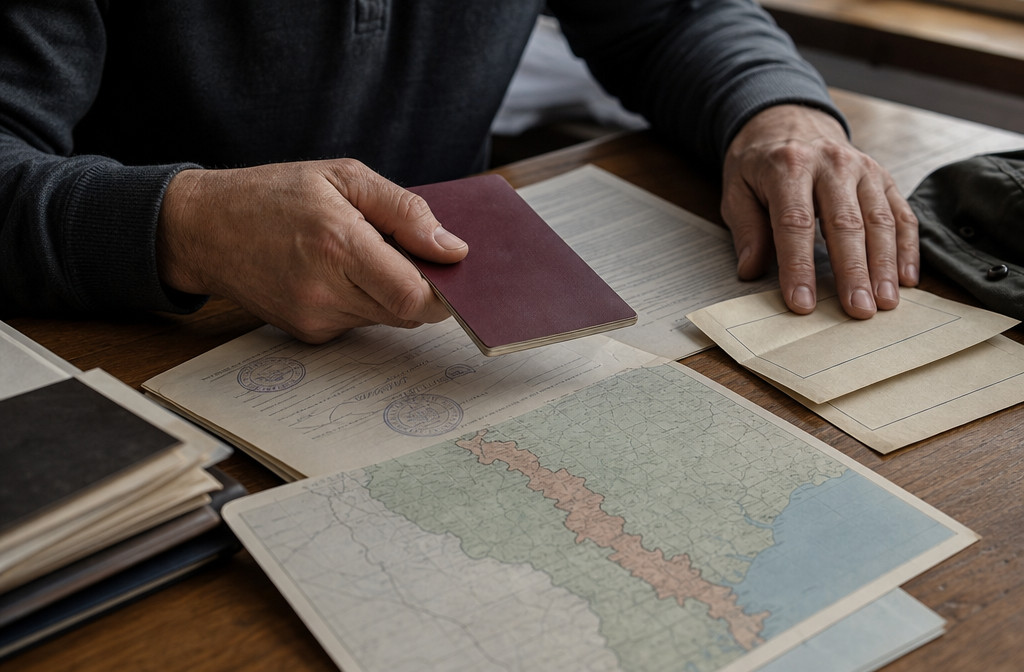
Under the decree, foreign adults and stateless persons permanently residing in Transnistria at the moment the document enters into force become eligible for simplified naturalisation. Applications can be submitted through Russian diplomatic missions and consulates. The Kremlin justified the decision as being ‘with the aim of protecting the rights and freedoms of man and citizen’. However, Sandu directly challenged that narrative, stating: ‘Probably they just need more people to send to war in Ukraine’. She emphasised that since the start of the full‑scale invasion in 2022, most residents of the region have opted for Moldovan passports, believing they offer greater security than Russian ones.
Sandu dismisses Russian leverage over EU path
Asked whether the Transnistria issue could be used by Putin to block Moldova’s European Union accession, Sandu gave a categorical response: ‘Only the EU can decide whether Moldova becomes part of the EU. Russia has nothing to do with this’. Her remarks underline Chisinau’s determination to pursue EU integration despite Moscow’s hybrid tactics. The Moldovan president pointed out that the country’s political resilience is anchored in a pro‑European parliamentary majority and its readiness to counter Kremlin expansionism. The passport initiative, synchronised with recent legislative changes in Russia’s State Duma on protecting Russian citizens abroad, is widely seen as a step that could create a formal pretext for future intervention under the guise of defending compatriots.
Transnistria citizenship drive revives fears of hybrid warfare
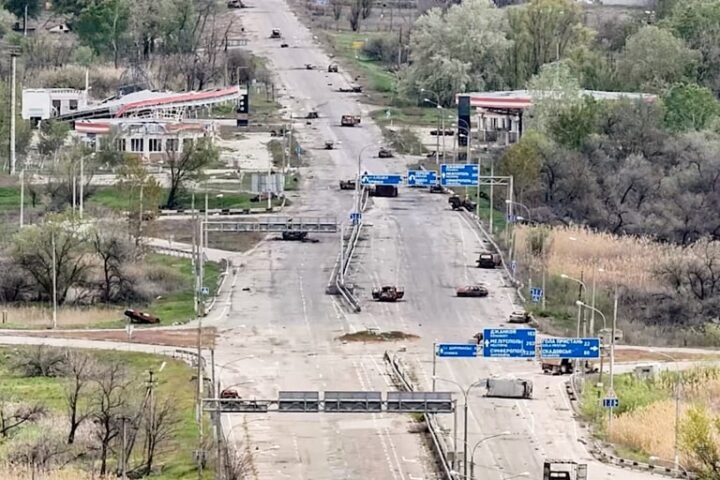
Critics argue that the simplified passport procedure mirrors the pattern previously employed in eastern Ukraine: first distribute passports, then claim that Russian‑speakers are under threat, and finally deploy troops to ‘protect’ them. In Moldova’s case, about 1,500 Russian soldiers are already stationed in Transnistria. By artificially swelling the number of Russian passport holders on sovereign Moldovan territory, Moscow could attempt to replicate the Donbas scenario, transforming the region into a new zone of confrontation. Sandu’s forceful rebuttal signals that Chisinau views the Kremlin’s latest move not as a humanitarian gesture but as a direct challenge to Moldova’s sovereignty and a threat to European security as a whole.